

Baking Soda versus Baking Powder
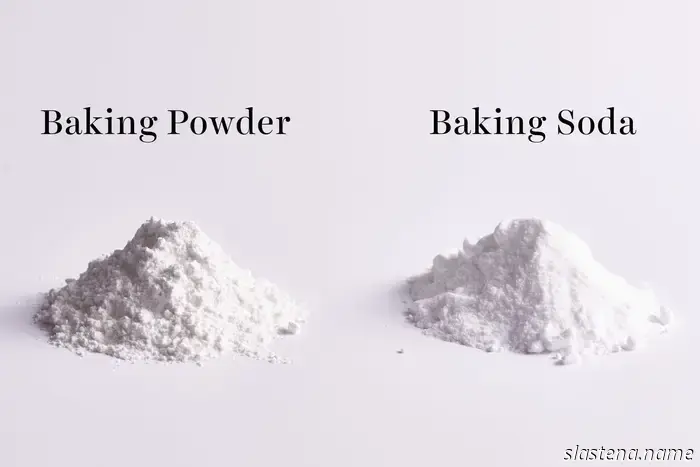
I frequently receive inquiries about baking soda and baking powder, and I understand why. It's simple to confuse the two since they appear similar and often sit side by side in your pantry. However, they function quite differently in your baked goods. By the conclusion of this post, you will clearly know when to utilize each one, why they typically cannot be swapped in equal amounts, and how to verify if they are still fresh. Grasping these basics with straightforward, practical guidance will enable you to bake confidently!
### A Touch of Science
#### The Contrast Between Baking Soda and Baking Powder
Baking soda is simply sodium bicarbonate. It requires an acid in the recipe, such as buttermilk, lemon juice, or brown sugar, to activate and produce lift. Without an acid, it won’t have much effect in your batter or dough.
Baking powder, on the other hand, is a complete leavening system. It contains baking soda along with a dry acid, typically cream of tartar or tartaric acid, and a small amount of cornstarch to keep it dry. All it requires to function is moisture and heat.
Most baking powders in the U.S. are double-acting, which means they react once when combined with wet ingredients and again during baking. Single-acting powders react only when wet, so it’s important to bake immediately after mixing.
This allows batters and doughs leavened with baking powder to be prepared and baked later, giving you some flexibility to prep ahead without compromising the rise.
### What Each One Does in Your Recipe
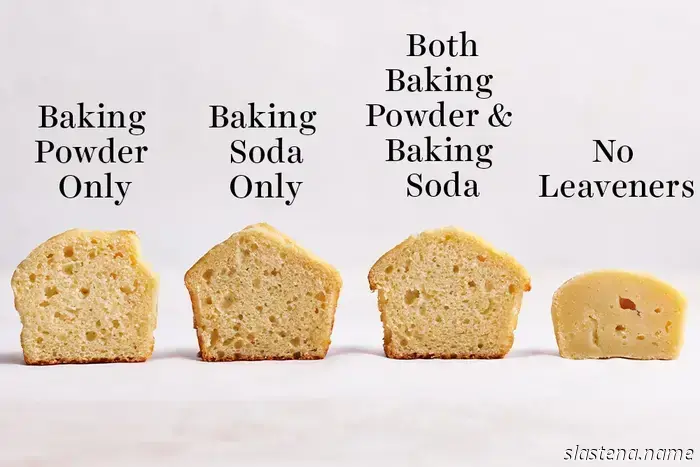
Both baking soda and baking powder act as chemical leaveners, releasing gases, mainly carbon dioxide, through chemical reactions between acids and bases. I like to consider their impacts in three main aspects: lift, texture, and flavor/color.
#### Baking Soda
Here's the effect of using baking soda:
- **Lift:** Baking soda produces carbon dioxide as soon as it comes into contact with liquid and an acid. This generates bubbles that expand in the oven, helping cakes or cookies rise. Since it reacts immediately, it’s essential to bake quickly after mixing, especially with wet batters.
- **Texture:** As bubbles form, they gently stretch the batter, resulting in baked goods with a slightly tender crumb. While it doesn’t create as soft a crumb as baking powder, it certainly affects cookies, brownies, and quick breads.
- **Flavor and color:** Baking soda increases pH, promoting browning, which is why cookies spread nicely and develop golden edges. The acid in the recipe neutralizes its taste. Using too much baking soda can lead to an unpleasant metallic, soapy, or bitter flavor.
#### Baking Powder
What does baking powder accomplish? Here’s what occurs when I utilize baking powder:
- **Lift:** Baking powder functions in two phases—when wet and again when heated—providing batter or dough with stable lift and better bench tolerance. I can prepare my muffin batter in the morning and bake it later without worrying about it collapsing.
- **Texture:** The small amount of acid in baking powder slightly lowers the pH, relaxing gluten and creating softer, more delicate textures. This works well for cakes, muffins, and biscuits.
- **Flavor and color:** With lower alkalinity than baking soda, baked goods are softer in color and flavor. It doesn’t promote the same browning or spread as baking soda, which is why I sometimes use both to combine their benefits.
### When to Use Each
If you’re uncertain which to choose, I follow this straightforward guideline: check the ingredients and consider the result you desire in your baked goods.
**Use baking soda when:**
- There is an acidic ingredient in the recipe, such as buttermilk, sour cream, yogurt, brown sugar, unsweetened cocoa powder, lemon juice, honey, or molasses.
- You want increased spread, browning, and crispy edges. Baking soda raises pH, encouraging caramelization and a deeper color, making it ideal for cookies and gingerbread.
- Timing is crucial. Since it reacts immediately upon contact with wet ingredients and an acid, I try to bake batters that depend on it promptly.
**Use baking powder when:**
- There is little to no acid in the recipe. Baking powder already contains an acid and doesn’t rely on other ingredients.
- You need structure and lift. Double-acting baking powder responds in stages, providing stable rise and a tender, delicate crumb—great for muffins, biscuits, and cakes.
- You desire flexibility in preparation. Due to its bench tolerance, batters or dough with baking powder can sit longer before baking without losing leavening power.
### Can You Substitute Them?
This question comes up frequently, and the short answer is: it’s not straightforward. While baking powder contains baking soda, they are not interchangeable. Baking soda is approximately four times stronger, so substituting them 1:1 can impact both the texture and flavor of





Other articles
Baking Soda versus Baking Powder
Unsure about the differences between baking soda and baking powder? Discover how each functions, when to utilize them, whether substitutions are possible, and how to verify their freshness.