
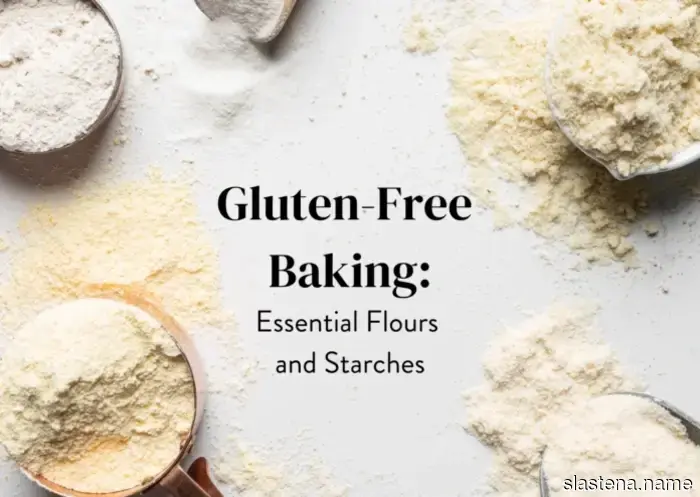
Gluten-Free Baking: Key Flours and Starches - Bake from Scratch
Our test kitchen director outlines the essential components that contribute to successful gluten-free baking and provides guidance on how to best use them.
Over the past decade, gluten-free baking has significantly improved. When I was first diagnosed with an autoimmune condition that necessitated a gluten-free diet, the experience was quite challenging. The options available in regular grocery stores were limited, and it involved a lot of experimentation and was quite costly. Thankfully, the variety and quality of gluten-free products have increased considerably. I would like to introduce you to gluten-free flours and starches and share how they can effectively be incorporated into baking.
Note: While most gluten-free labeled products also tend to be wheat-free, the terms are not synonymous. Non-wheat flours such as rye, barley, and spelt still contain gluten, and some gluten-free flours may have traces of wheat starch. Always read the labels carefully to ensure the gluten-free flour fits your dietary requirements.
1:1 Gluten-Free Baking Flour
This flour is a combination of gluten-free ingredients designed for use in baked goods that aren’t yeasted. The “1:1” refers to the substitution ratio in recipes, meaning you replace the standard all-purpose wheat flour with an equal amount of gluten-free flour. For instance, if a recipe requires 2½ cups of regular all-purpose flour, you would substitute it with 2½ cups of gluten-free baking flour (measured by volume, not weight). Each brand varies slightly but generally contains a mix of rice flours, starches, and gums.
Gluten-Free All-Purpose and Bread Flours
These flours are specifically intended for success in leavened bread recipes. There are two main distinctions between these flours and 1:1 baking flour. First, many gluten-free bread flours incorporate wheat starch from which gluten has been extracted. It’s crucial to understand that although they are gluten-free, they are not wheat-free and may not be suitable for everyone’s dietary restrictions. Second, these flours usually don’t contain xanthan gum and instead use psyllium fiber to create structure and elasticity.
Almond Flour/Meal
Numerous nut flours/meals can enhance the flavor, texture, and nutritional value of baked goods, with almond being the most common. It is generally not used alone and should be combined with another flour. If you wish to incorporate it into an existing recipe, it’s advisable to substitute no more than 25% of the flour with a nut flour/meal (based on weight, not volume).
Coconut Flour
Similar to nut meals, coconut flour adds flavor, texture, and nutrients to baked goods. However, it is highly absorbent, able to soak up about four times its weight in liquid. We do not recommend using it in recipes unless they are explicitly formulated and tested with coconut flour.
Oat Flour
Oat flour is made from ground oat groats and contributes both flavor and nutrients to recipes. It’s essential to ensure that if you are managing a severe allergy or celiac disease, the packaging confirms the oats are certified gluten-free. Oats may sometimes be processed on the same equipment as wheat, leading to potential cross-contamination.
Rice Flour
Rice flour serves as the base for most gluten-free baking. It is made from finely ground rice, either white or brown, and is commonly used to substitute flour in cookies, cakes, and pastries. Sweet rice flour (or glutinous rice flour) differs from standard rice flour, as it’s derived from sticky short-grain rice and is used in specific recipes like mochi.
Cornmeal
Cornmeal/corn flour is produced from ground white, yellow, or blue corn and comes in fine, medium, and coarse textures. Typically utilized in quick breads, the coarser meals are excellent for dusting yeasted doughs to prevent sticking and provide a delightful crunch once baked (think pizza crust and English muffins). The choice of grind size depends on personal preference, though I particularly favor fine and medium. Keep in mind that many cornmeal mixes (such as self-rising mixes or cornbread mixes) combine regular flour and cornmeal with leavening agents and are not gluten-free.
Starches and Thickening Agents
Starches play a crucial role in gluten-free baking, as they recreate the starch found in wheat flour. However, not all starches function the same way; each has a unique purpose in a recipe. Below are some common types, but be cautious—excessive amounts can lead to dense, gummy outcomes.
CORNSTARCH: Ideal for thickening custards and pie fillings in place of all-purpose flour. It’s important to bring the mixture to a boil to activate the cornstarch, then let it simmer for 1 to 2 minutes to eliminate the starchy flavor. Using cornstarch can give your custard or filling a cloudy look.
POTATO STARCH: Derived from potatoes, it
Other articles
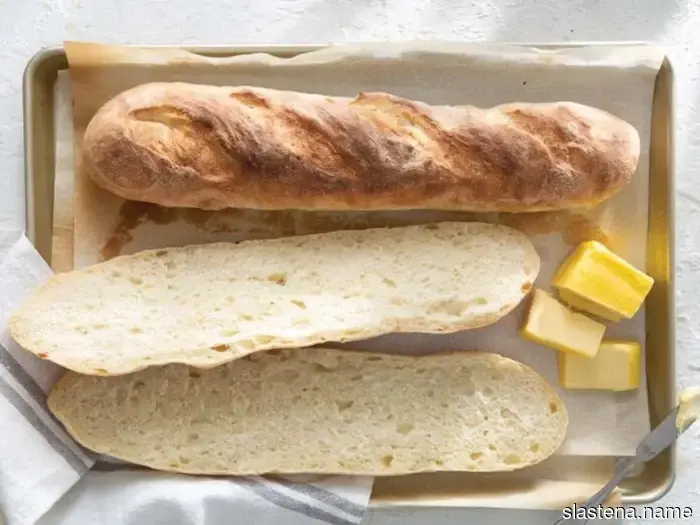 Baguettes - Bake from the Beginning
Infuse your home with the charm of a French boulangerie by baking flavorful baguettes that feature a signature texture and a delightfully crackly, tearable crust.
Baguettes - Bake from the Beginning
Infuse your home with the charm of a French boulangerie by baking flavorful baguettes that feature a signature texture and a delightfully crackly, tearable crust.
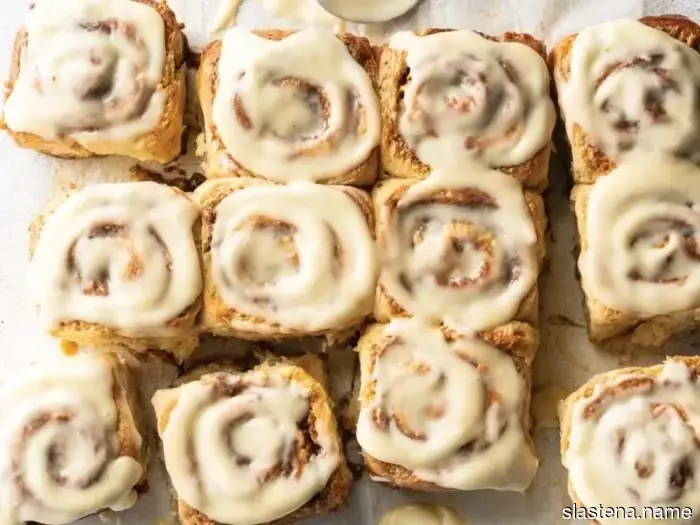 Gluten-Free Cinnamon Rolls - Bake from Scratch
Tender, gooey, and perfectly seasoned, you’d never guess this breakfast favorite is gluten-free.
Gluten-Free Cinnamon Rolls - Bake from Scratch
Tender, gooey, and perfectly seasoned, you’d never guess this breakfast favorite is gluten-free.
 The Ultimate Lesson for Children: Baking - Create from Scratch
Baking is not just enjoyable, interactive, and informative for kids; it's an activity you can share together. Plus, you get to indulge in the outcomes!
Gluten-Free Ciabatta Rolls - Prepared from Scratch
You don't need to give up savoring the light, chewy texture of traditional ciabatta rolls just because you're gluten-free.
Cinnamon Sugar Morning Rolls - Baking from Scratch
These morning buns are light, flaky, and wonderfully crisp. The key ingredient? Laminated dough that is enriched with eggs and milk, resulting in a tender crumb, yet still providing soft, pull-apart layers. The use of Plugrà® Premium European Style Butter is crucial—it allows for thinner rolling, cleaner lamination, and bakes to perfection with exceptional crispness and rich flavor. Cinnamon Sugar Morning Buns
Gluten-Free Ciabatta Rolls - A Recipe from Scratch
You can still indulge in the light, chewy texture of traditional ciabatta rolls even if you are gluten-free.
The Ultimate Lesson for Children: Baking - Create from Scratch
Baking is not just enjoyable, interactive, and informative for kids; it's an activity you can share together. Plus, you get to indulge in the outcomes!
Gluten-Free Ciabatta Rolls - Prepared from Scratch
You don't need to give up savoring the light, chewy texture of traditional ciabatta rolls just because you're gluten-free.
Cinnamon Sugar Morning Rolls - Baking from Scratch
These morning buns are light, flaky, and wonderfully crisp. The key ingredient? Laminated dough that is enriched with eggs and milk, resulting in a tender crumb, yet still providing soft, pull-apart layers. The use of Plugrà® Premium European Style Butter is crucial—it allows for thinner rolling, cleaner lamination, and bakes to perfection with exceptional crispness and rich flavor. Cinnamon Sugar Morning Buns
Gluten-Free Ciabatta Rolls - A Recipe from Scratch
You can still indulge in the light, chewy texture of traditional ciabatta rolls even if you are gluten-free.
Gluten-Free Baking: Key Flours and Starches - Bake from Scratch
The director of our test kitchen details the essential components that contribute to successful gluten-free baking and the optimal ways to use them.