
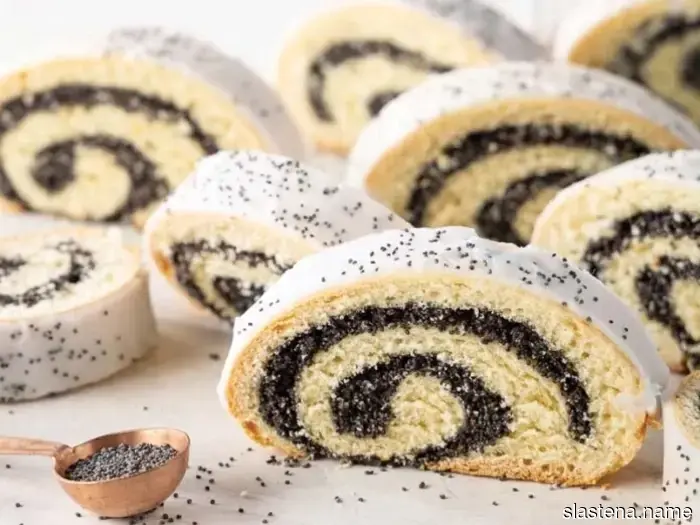
Origin of a Classic: Poppy Seed Roll - Bake with Precision
The Danube River flows at its own rhythm. In certain areas, it is wide and slow, while in others, it rushes swiftly, slicing through 10 countries and connecting cities and villages, languages and histories, before it flows into the Black Sea. It carries remnants of the past—echoes of empires, merchants trading spices and silks, and bakers kneading dough in cozy kitchens, their hands dusted with flour, the air rich with the aroma of yeast and toasted poppy seeds. Along its shores, where the soil is fertile, fields of poppies dance in the wind. These tiny seeds, brimming with meaning, have been harvested for centuries, ground into rich pastes, sweetened with honey, mixed into cakes, and folded into pastries. Crafting a poppy seed roll—known as makovník in Slovakia, mákos bejgli in Hungary, makowiec in Poland, and various other names across central and eastern Europe—entails partaking in a time-honored tradition, passed down through flour and sugar, careful spreading of filling, and precise rolling of dough.
The history of the poppy seed roll is intertwined with the region’s past, influenced by changing borders, migrations, and imperial powers. Some attribute its origins to the Ottomans, who governed parts of central Europe for over a century and introduced filled pastries that may have led to later varieties. They brought börek—a rolled and filled pastry made from thin dough layers. Local bakers eventually adapted this idea, replacing the flaky pastry with a softer, yeasted dough and filling it with familiar ingredients. The Austro-Hungarian Empire further disseminated the tradition, as recipes made their way from aristocratic kitchens to modest farmhouses, with each area imparting its unique twist.
By the 19th century, poppy seed rolls had thoroughly integrated into central European baking culture. They appeared in cookbooks and grace holiday tables, especially during Christmas and Easter, with their dark, spiraled filling recognized among the winter and spring feasts. The poppy seed, once a kitchen staple, took on multiple meanings—representing prosperity, fertility, and protection from bad luck.
Although often associated with festive occasions, poppy seed rolls were not exclusively reserved for holidays. Home bakers frequently prepared them to use up flour and butter, market bakers sold them as everyday treats, and travelers along the Danube—sailors, traders, scholars moving between towns—would pack thick slices in their bags, a hearty, comforting sustenance that lasted for days.
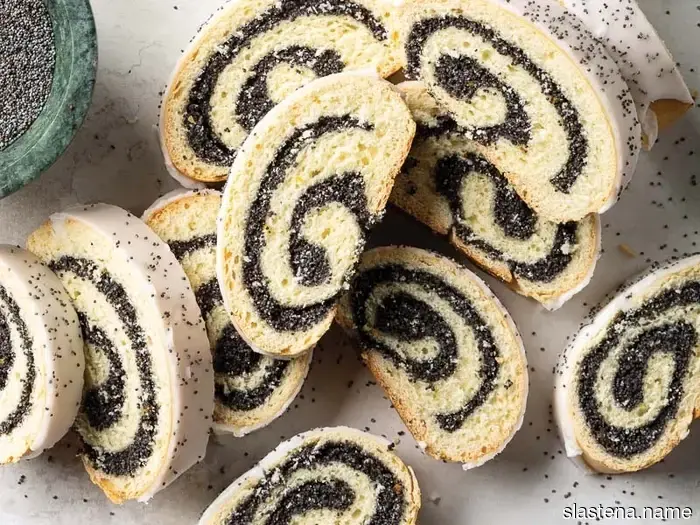
Poppy seed rolls are not confined to any single nation, yet each locale along the Danube has put its own stamp on them. In Slovakia and the Czech Republic, makovník is typically served in thick slices, the filling dark enough to appear almost black, with a tender, subtly sweet dough. In Hungary, bejgli is baked into long, slender logs, brushed with an egg wash for a crackled crust. In Austria, Mohnstrudel resembles a looser roll, more like strudel than bread, occasionally filled with apples or a hint of cinnamon. In Serbia, štrudla sa makom is buttery and richer, meant to be enjoyed slowly.
Always, the poppy seeds carry their quiet significance. They symbolize abundance, renewal, and the very essence of history. These seeds were cultivated in this area long before borders existed, when nations were not yet defined. Ancient Greeks and Romans valued them for their medicinal qualities, while medieval monks incorporated them into spiced pastes for their fasting breads. Through epochs of war and peace, empire and independence, poppies flourished, nourishing countless bakers who elevated them beyond mere ingredients.
The process of making the roll has its own rhythm: the patience of waiting for the dough to rise; the careful spreading of the poppy seed filling; the rolling—tight but not overly so—to maintain the swirl; the baking, where you watch with anticipation for the crust to reach the perfect shade of brown; the aroma that fills the home and lingers long after the oven is turned off.
Then comes the enjoyment: a slice, cut to preference; a cup of dark, robust coffee; a moment to pause, gazing out at the river and the land beyond; a taste of something that has been crafted and recrafted for centuries, a tradition that will endure as long as hands knead the dough and fields of poppies bloom along the banks of the Danube.
---
Makes 2 (12-inch) loaves. Influenced by Turkish and Austrian pastries, the poppy seed roll became a beloved staple in households throughout Hungary, Slovakia, and other nations along the Danube River. Its defining characteristic? A consistent spiral of filling enveloped in a golden crust. This recipe emphasizes the traditional poppy seed filling, reflecting its profound cultural relevance. The key to its success lies in the technique: whipping the egg whites separately aer
Other articles
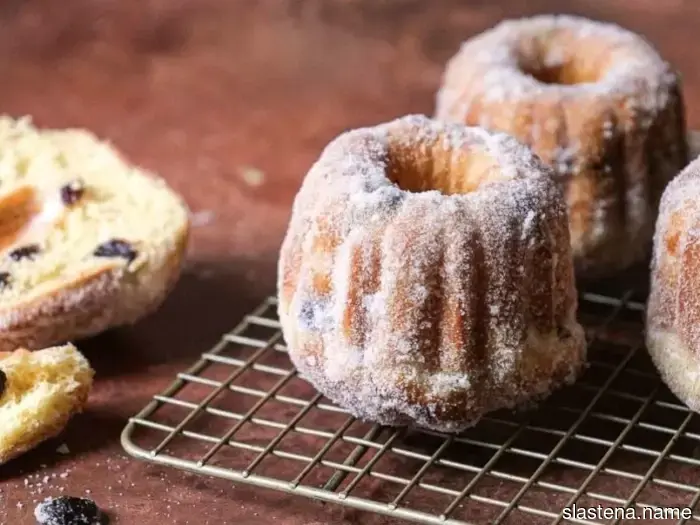 Edd Kimber's Kougelhopf in Small Batches - Bake from Scratch
Kougelhopf is a classic bread originating from the Alsace region of France. It resembles brioche but is baked in a unique, fluted tube pan and contains a greater variety of mix-ins.
Edd Kimber's Kougelhopf in Small Batches - Bake from Scratch
Kougelhopf is a classic bread originating from the Alsace region of France. It resembles brioche but is baked in a unique, fluted tube pan and contains a greater variety of mix-ins.
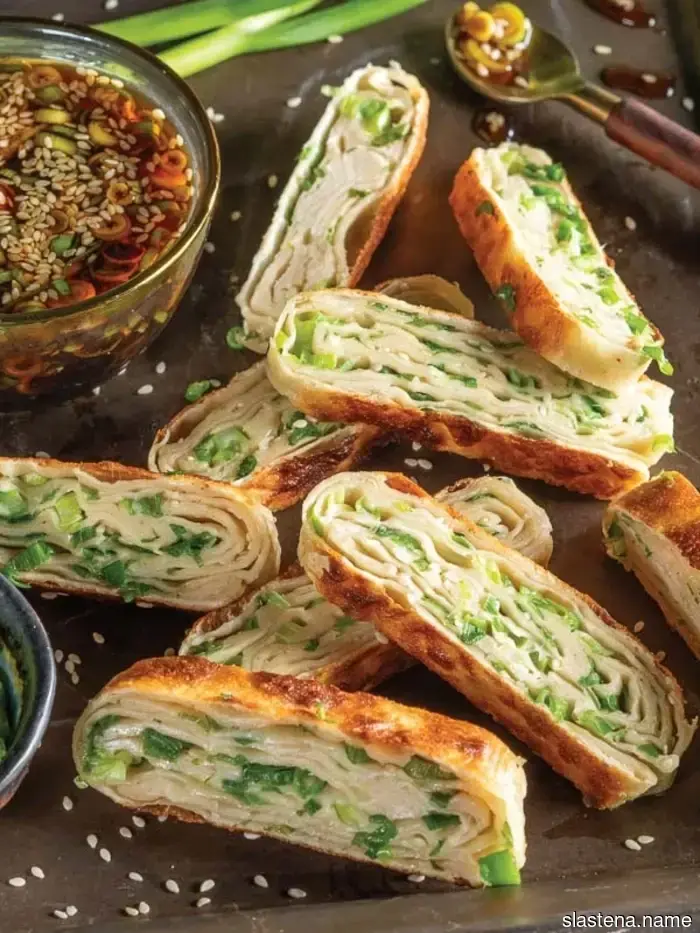 9-Layer Chinese Scallion Pancakes - Bake from Scratch
This scallion pancake recipe yields a pancake that pairs perfectly with a hot soup, makes for an excellent Chinese weekend brunch, or satisfies any craving for a savory treat.
9-Layer Chinese Scallion Pancakes - Bake from Scratch
This scallion pancake recipe yields a pancake that pairs perfectly with a hot soup, makes for an excellent Chinese weekend brunch, or satisfies any craving for a savory treat.
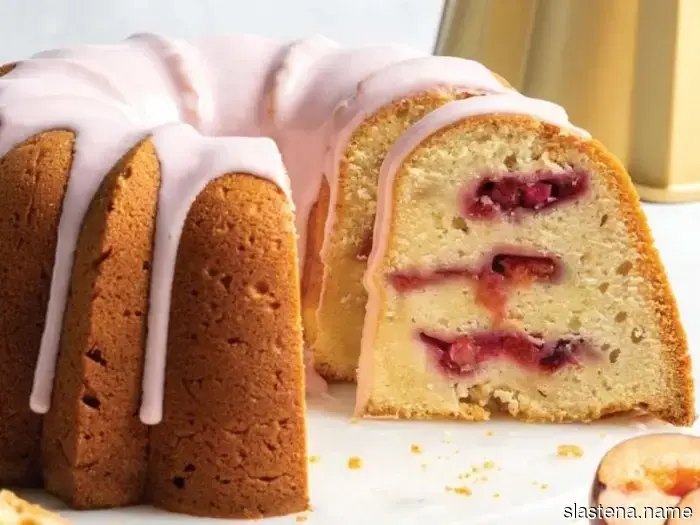 Honey-Poached Plumcot Cake - A Recipe from Bake from Scratch
Plumcots, a blend of apricots and plums featuring a subtle apricot taste and vibrant plum hue, are a stone fruit that becomes available in early May. Their availability is short-lived, spanning from late spring to mid-July. This cake makes the most of their optimal ripeness by incorporating aromatic wine- and
Honey-Poached Plumcot Cake - A Recipe from Bake from Scratch
Plumcots, a blend of apricots and plums featuring a subtle apricot taste and vibrant plum hue, are a stone fruit that becomes available in early May. Their availability is short-lived, spanning from late spring to mid-July. This cake makes the most of their optimal ripeness by incorporating aromatic wine- and
 The Emergence of Small State Provisions - Bake from Scratch
Starting from a home kitchen and growing into a successful bakery, Kevin Masse's Small State Provisions in Hartford, Connecticut, represents the essence of baking with passion.
Raspberry-Oat Thumbprints - Bake with Care
Infuse your baking with a sense of nostalgia by preparing these Raspberry-Oat Thumbprints featuring Bonne Maman® Raspberry Fruit Spread.
The Emergence of Small State Provisions - Bake from Scratch
Starting from a home kitchen and growing into a successful bakery, Kevin Masse's Small State Provisions in Hartford, Connecticut, represents the essence of baking with passion.
Raspberry-Oat Thumbprints - Bake with Care
Infuse your baking with a sense of nostalgia by preparing these Raspberry-Oat Thumbprints featuring Bonne Maman® Raspberry Fruit Spread.
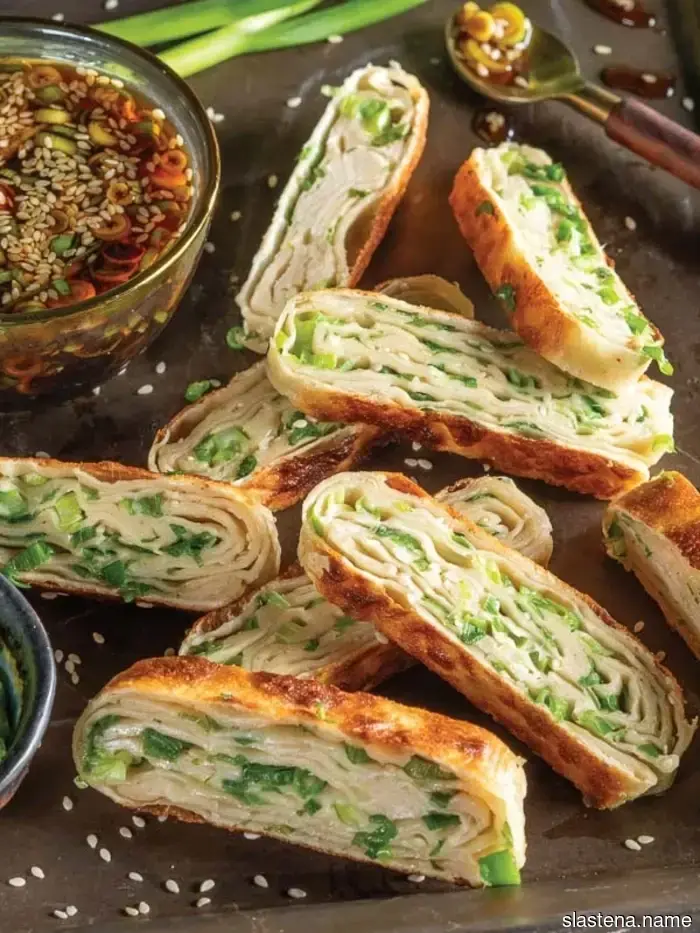 9-Layer Chinese Scallion Pancakes - Bake from Scratch
This recipe for scallion pancakes produces a delicious pancake that pairs well with hot soup, makes for an excellent addition to a Chinese weekend brunch, or satisfies your desire for a savory snack at any time.
9-Layer Chinese Scallion Pancakes - Bake from Scratch
This recipe for scallion pancakes produces a delicious pancake that pairs well with hot soup, makes for an excellent addition to a Chinese weekend brunch, or satisfies your desire for a savory snack at any time.
Origin of a Classic: Poppy Seed Roll - Bake with Precision
From the farmlands beside the Danube to the dining tables of central Europe, poppy seed rolls have conveyed tales of commerce, customs, and festivities for hundreds of years.