
Baking School Comprehensive Guide: Danish Dough - Bake from Scratch
INGREDIENT OVERVIEW
In laminated dough, each ingredient plays a role in balancing strength and tenderness. Danish dough is a harmony of elasticity, fermentation, and fat layering—each element contributing to lift, flake, and flavor.
WHOLE MILK: Milk adds water for gluten formation, lactose for mild browning, and proteins for structure. Its fat content (around 3% to 4%) slightly tenderizes the dough, making the crumb softer compared to water-based variations. Since yeast does not utilize lactose, it remains available for Maillard browning, promoting a rich golden hue during baking.
EGG: A whole egg provides water and fat, along with emulsifiers (especially lecithin from the yolk). The proteins solidify during baking, enhancing the structure between the layers of the dough. The fat in the yolk enriches the dough and improves its ability to stretch thin without tearing.
EGG YOLK: Adding an additional yolk boosts richness and flexibility. Lecithin enhances the dough's capacity to maintain a stable emulsion, which is crucial when incorporating butter later. The yolk also intensifies color and contributes to a more tender, slightly custardy texture.
INSTANT YEAST: Instant yeast integrates directly with dry ingredients. It breaks down simple sugars, generating carbon dioxide and organic acids. In Danish dough, fermentation creates internal pressure and flavor, but it must be carefully managed. Excessive fermentation can weaken gluten and disrupt lamination; insufficient fermentation leads to dense layers and limited rise. (We used Red Star® Quick-Rise™ Instant Yeast.)
BREAD FLOUR: This flour contains higher protein levels (usually 12% to 13%) than all-purpose flour, forming a stronger gluten network. This elasticity is vital for lamination, allowing the dough to stretch thin without tearing and endure repeated rolling. A weaker flour would break under the physical demands of folding. (We used Bob’s Red Mill® Bread Flour.)
GRANULATED SUGAR: Sugar nourishes yeast in the initial stages and slightly slows gluten development by competing for moisture. This helps prevent toughness, ensuring the dough remains extensible. Additionally, sugar is hygroscopic, aiding moisture retention in the finished product and enhancing caramelization and browning during baking.
UNSALTED BUTTER (IN DOUGH): The butter mixed into the dough softens gluten strands by coating some proteins in fat, resulting in a more pliable base that is sturdy enough for lamination but not tough. Using unsalted butter allows for precise salt control, which is particularly important in enriched doughs.
UNSALTED BUTTER (BUTTER BLOCK): The butter block serves a structural purpose. Comprising about 80% to 84% fat, it contains a small amount of water that evaporates into steam in the oven. When encased in dough and rolled thin, the steam separates the layers, creating flakiness and lift. The butter's plasticity—firm yet flexible at cool room temperature—is essential; if too cold, it can shatter and pierce the dough, and if too warm, it can smear and disrupt defined layers. (We used Plugrà® European Style Unsalted Butter.)
KOSHER SALT: Salt enhances gluten by tightening protein bonds, which boosts elasticity and supports the dough’s structure during rolling. It also moderates yeast activity—absence of salt can lead to overly rapid and uncontrolled fermentation. In terms of flavor, salt enhances sweetness and prevents the pastry from being bland.
Other articles
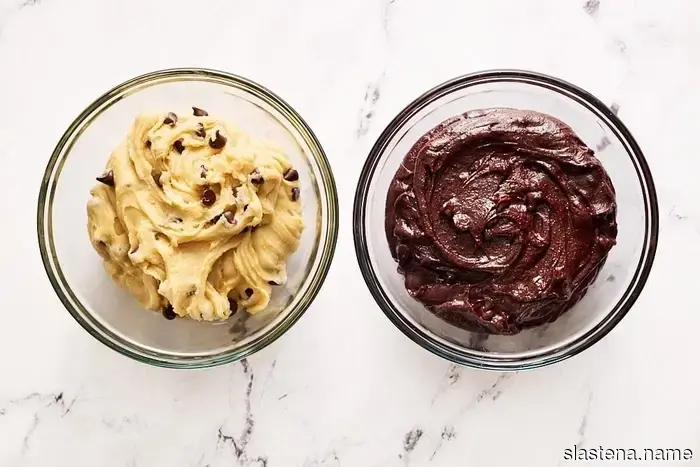 Brookies
After extensive testing, I perfected the ideal brookie ratio. It features fudgy brownies, chewy cookies, and a layering technique that ensures both textures in every bite.
Brookies
After extensive testing, I perfected the ideal brookie ratio. It features fudgy brownies, chewy cookies, and a layering technique that ensures both textures in every bite.
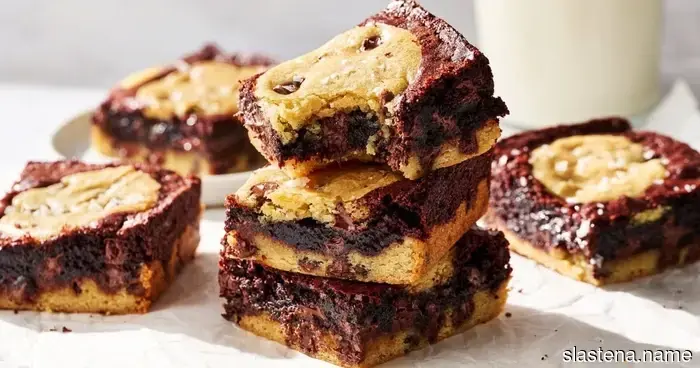 Brookies
After extensive testing, I perfected the ideal brookies ratio. It features fudgy brownies, chewy cookies, and a layering technique that ensures you get a bit of both in every bite.
Brookies
After extensive testing, I perfected the ideal brookies ratio. It features fudgy brownies, chewy cookies, and a layering technique that ensures you get a bit of both in every bite.
Baking School Comprehensive Guide: Danish Dough - Bake from Scratch
Castella, also known as kasutera, is one of those seemingly straightforward cakes that surprises you with its minimal requirements and the generous flavor it offers in return.