
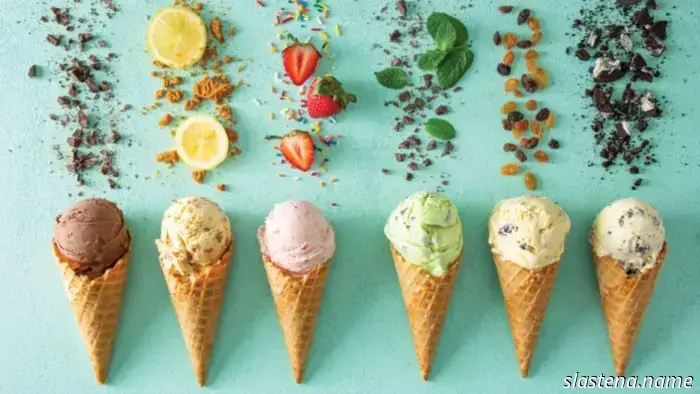
The Essentials: Ice Cream - Bake from Scratch
Ice cream occupies a cherished place in the depiction of Americana. From the cheerful tune of the ice cream truck traversing neighborhoods to the sight of precariously balanced ice cream cones melting in the sweltering summer heat, this frozen delicacy evokes nostalgia imbued with the hues of red, white, and blue. While ice cream is not originally an American creation, it has evolved into an American culinary art. Over the last 200 years, American ingenuity has led to innovations such as soft serve ice cream, waffle cones, home ice cream machines, and large-scale ice cream production. Our affection for this treat is reflected in impressive statistics: the average American consumes around 23 pounds (approximately 4½ gallons) of ice cream annually.
This guide to ice cream aims to bring this beloved dessert back into your home kitchen. Concentrating on classic custard-based ice cream, our recipe perfectly combines rich egg yolks and luscious cream. We also provide delightful ideas for creating your customized scoop, including infusions, mix-ins, and more. No need for alarm, bakers; the ultimate ice cream is now within reach.
**Vanilla Infusion**
The deep vanilla flavor starts with a brief heating and a slow infusion.
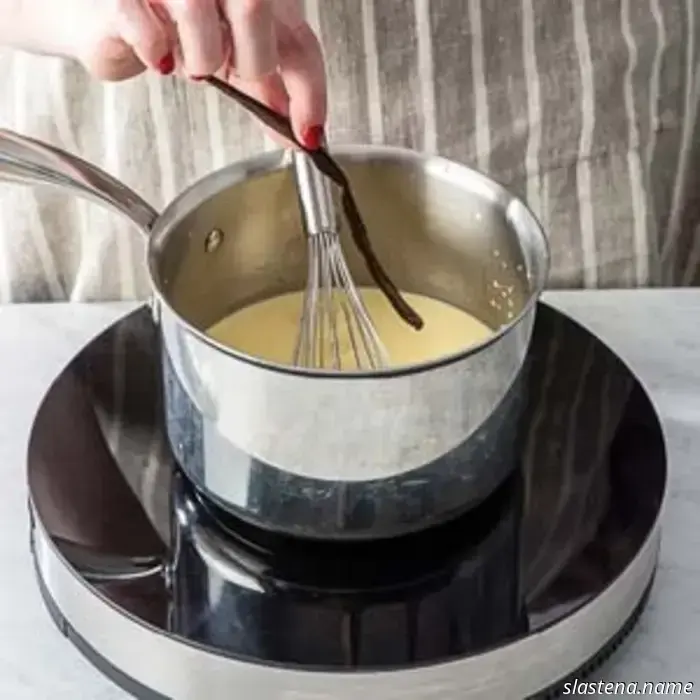
1. In a medium saucepan, combine cream, milk, ⅓ cup (67 grams) of sugar, the vanilla bean (including scraped seeds), and salt, then cook over medium heat, stirring often, until steaming (do not boil). Although it may appear that we are simply melting the sugar, this heating process is crucial to kickstart the infusion. Dairy absorbs flavors well, but heat helps draw out the delicate oils from the vanilla bean, allowing those flavors to permeate the mixture. Hence, using a vanilla bean is essential for this custard base, as vanilla extract or paste lacks the complexity of the pod’s flavors.
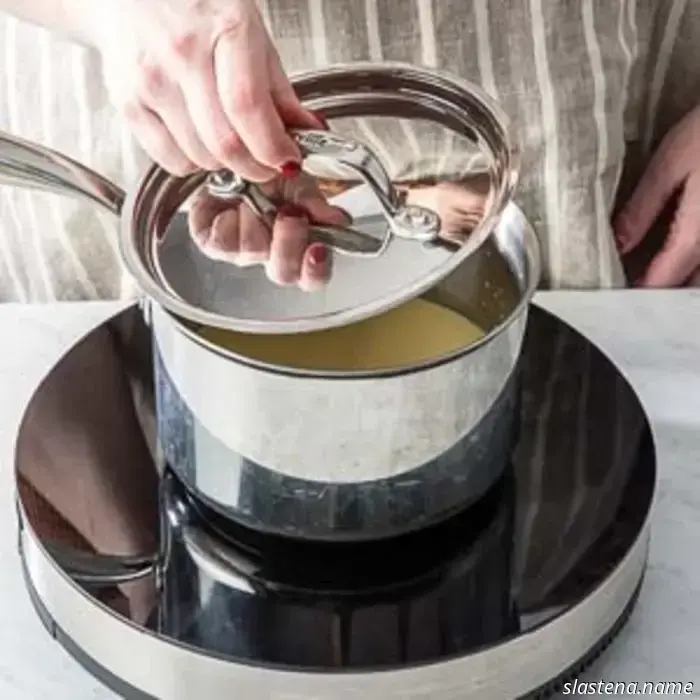
2. Remove from heat, cover, and let sit for 45 minutes. After heating, time is the key factor in the infusion process. Allowing the mixture to rest, covered, for 45 minutes enables the vanilla flavors to fully develop. Feel free to taste as you infuse other flavors, stopping when you reach your desired intensity.
**Creating Your Custard Base**
How to turn your vanilla cream into vanilla custard.
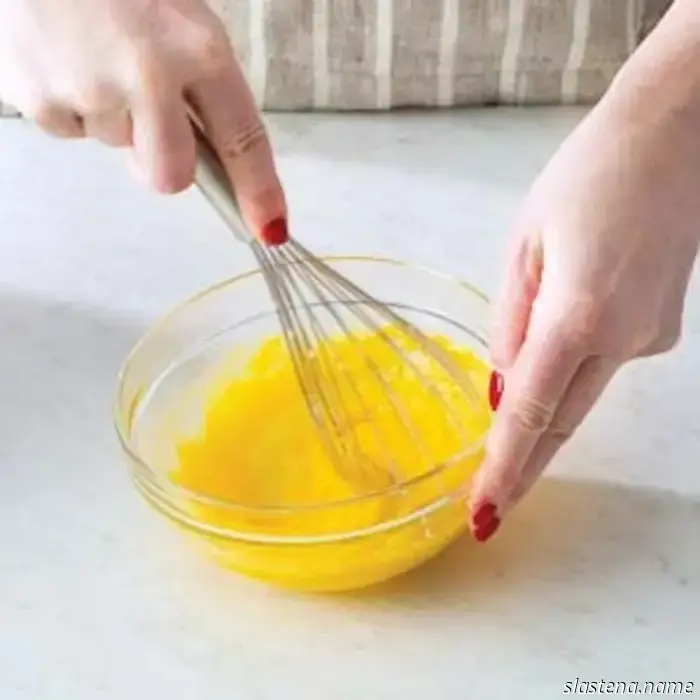
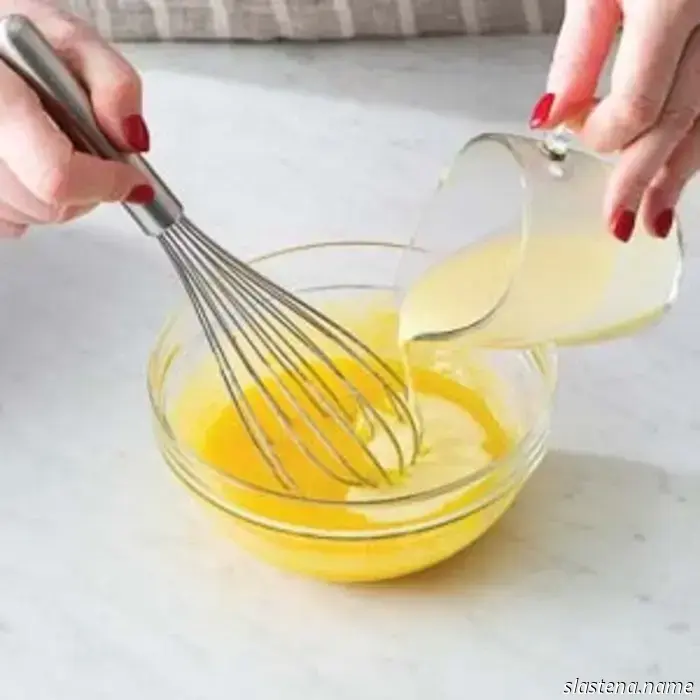
1. Extract liquid from the vanilla bean, discarding the bean afterward. Return the cream mixture to medium heat, stirring frequently until steaming (do not boil). In a heatproof bowl, whisk together the egg yolks and remaining ⅓ cup (67 grams) of sugar. You may wonder why not all the sugar was added earlier; this extra sugar acts as a protective measure against curdling the egg yolks. Once incorporated, the sugar will buffer the heat in the upcoming steps.
2. Slowly add half of the warm cream mixture to the egg yolk mixture while whisking constantly. The heat essential for making custard can also lead to its failure if not carefully managed. Rapidly incorporating egg yolks into the hot mixture can cause curdling, so we temper the yolks before cooking. This involves scalding the dairy by heating it until steaming before gradually pouring it into the eggs and sugar while whisking continuously. This method prevents the eggs from coagulating too quickly.
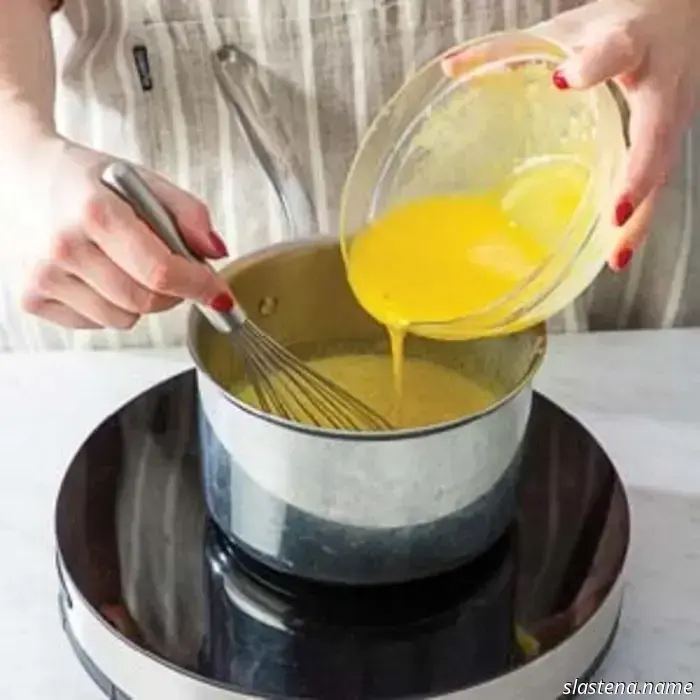
3. Add the egg yolk mixture to the remaining cream mixture in the pan, whisking constantly. When heated with the dairy and sugar, the egg yolk proteins distribute evenly and thicken, yielding a smooth, creamy mixture. Custards that use only egg yolks, like this classic ice cream recipe, provide a more tender and less gelatinous texture than those using whole eggs.
4. Cook over medium heat, whisking continually, until an instant-read thermometer reads between 178°F (81°C) and 180°F (82°C). The mixture should lightly coat the back of a spoon and leave a trail when a finger is drawn through it. While we are thickening the custard base, it will remain loose and pourable, similar to melted ice cream. It's thick enough to coat the spoon but not so thick that it flows in rich ribbons like fudge. This step also serves to eliminate any harmful bacteria present in the raw egg yolk, ensuring food safety.
**The Big Churn**
How to cool and churn your custard.
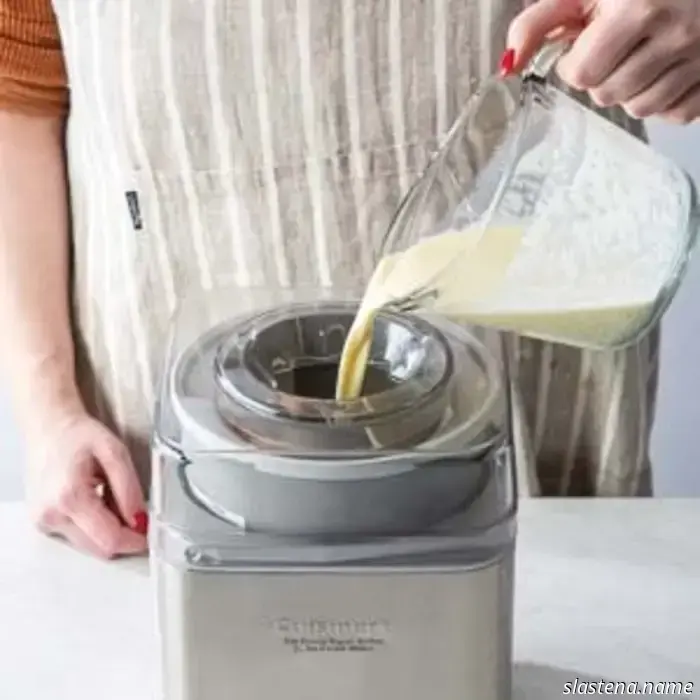
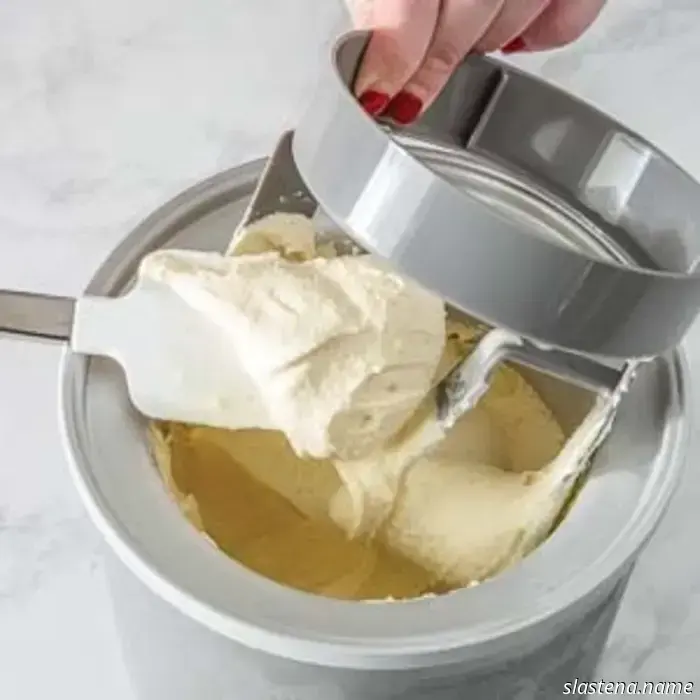
1. Place the mixture in a bowl set in an ice water bath until the temperature reaches between 35°F (1.6°C) and 37°F (2.7°C). Whisk the cooled ice cream base, then pour it into the ice cream maker. The mixture should be slightly colder than refrigerator temperature but not as cold as if it were stored in the freezer. This colder temperature allows for a quicker freezing process in the ice cream maker, resulting in smaller ice crystals and a smoother overall ice cream texture. To avoid mess, use a spouted liquid-measuring cup to add the base to the ice cream maker.

Other articles
The Essentials: Ice Cream - Bake from Scratch
Ice cream occupies a prominent place in the depiction of American culture.