
Comprehensive Baking School: Dacquoise - Bake from Scratch
Every ingredient affects the structure, moisture, and texture. Understanding their functions aids in grasping the stability of dacquoise.
EGG WHITES: Egg whites consist of approximately 90% water and 10% protein. When whipped, the proteins unfold and trap air, creating a stable foam. This structure solidifies during baking, providing lift and stability. Whipping at room temperature maximizes volume, as warmer whites expand more easily. Overwhipping can disrupt this network, resulting in a dry, grainy meringue that collapses in the oven.
CREAM OF TARTAR: This acid (potassium bitartrate) decreases pH, reinforcing the connection between denatured egg proteins. It allows the meringue to expand more slowly, producing finer bubbles and a more flexible structure. Without it, the foam may weep or deflate during the folding or baking process.
KOSHER SALT: Salt has a subtle yet crucial impact on protein behavior; it slightly tightens the network, promoting finer and more stable bubbles. Additionally, it enhances flavor, balancing the sweetness of both meringue and buttercream.
GRANULATED SUGAR: Sugar delays the coagulation of egg proteins, enabling the foam to achieve a larger volume before it sets. If added too rapidly, it can hinder full aeration; if added too late, it may not dissolve completely, leading to grainy meringue. Furthermore, its hygroscopic nature helps keep the interior moist by drawing in and retaining ambient moisture.
ALMOND FLOUR: Blanched almond flour provides fat (about 50%), which tenderizes and restricts full protein coagulation, resulting in a soft chew instead of a brittle crisp. The fineness of the grind is crucial—if it’s too coarse, the meringue may deflate; if too fine, it can absorb excess moisture, dulling the crisp surface.
CONFECTIONERS’ SUGAR: This sugar contains around 3% cornstarch, which absorbs moisture on the surface and helps prevent beading on baked meringue. It also mixes easily into the almond flour, ensuring even incorporation without deflation.
VANILLA BEAN PASTE: As a concentrated extract with suspended vanilla seeds, vanilla bean paste adds aroma and structure. Its syrupy base blends more uniformly into foams than liquid extract, aiding in preventing collapse.
UNSALTED BUTTER (FOR BUTTERCREAM): Butter is an emulsion of water and fat that provides both structure and mouthfeel. Higher-fat, European-style butter (82% to 84%) minimizes free water, lowering the chance of curdling during emulsification. The plasticity of butter—its ability to maintain shape while remaining soft—is essential for achieving a smooth and stable buttercream.
SEMISWEET CHOCOLATE (FOR BUTTERCREAM): Melted chocolate contributes both fat and crystalline cocoa solids. When allowed to cool slightly before being added, it thickens the emulsion and provides structure through the solidification of cocoa butter at room temperature. The outcome is a buttercream that is both light and sliceable, featuring a clean, satiny finish.
Other articles
 Blog
With recipes filled with the refreshing flavor of peppermint, incorporating crushed candies and peppermint extract, we illustrate why this season's most beloved candy is far more than just a stocking stuffer.
Peppermint-Cream Cheese Swirl Brownies View Recipe
Chocolate-Peppermint Roll Cake View Recipe
Peppermint Hot Chocolate Cheesecake View Recipe
Chocolate Peppermint Tart View Recipe
Peppermint Bark Cream Puffs View Recipe
Chocolate-Peppermint Layer Cake with Caramelized White Chocolate Buttercream View Recipe
Peppermint-Chocolate Sandwich Cookies View Recipe
Chocolate-Peppermint Bark Cookies View Recipe
Peppermint Bark-Stuffed Red Velvet Cookies View Recipe
Vanilla-Peppermint Swirl Bundt Cake View Recipe
Cream Cheese-Stuffed Vanilla-Peppermint Cookies View Recipe
White Chocolate Peppermint Scones View Recipe
Triple-Chocolate Peppermint Tart View Recipe
Peppermint Swirl Pound Cake View Recipe
Peppermint Cream Puffs View Recipe
Simple Salted Peppermint Bark View Recipe
White Chocolate-Peppermint Sweet Rolls View Recipe
Peppermint Custard-Stuffed Chocolate Cookies View Recipe
Peppermint Nanaimo Bars View Recipe
Peppermint Bark Puff Pastry Wreaths View Recipe
Peppermint-Mocha Red Velvet Marble Cookies View Recipe
RELATED ARTICLESMORE FROM AUTHOR
Make-Ahead Christmas Brunch Breads
Quick-Ship Gifts Every Holiday Host Will Love
Baking School In-Depth: Dacquoise
LEAVE A REPLY
Please enter your comment! Please enter your name here
You have entered an incorrect email address!
Please enter your email address here
Save my name, email, and website in this browser for the next time I comment.
This site uses Akismet to reduce spam. Learn how your comment data is processed.
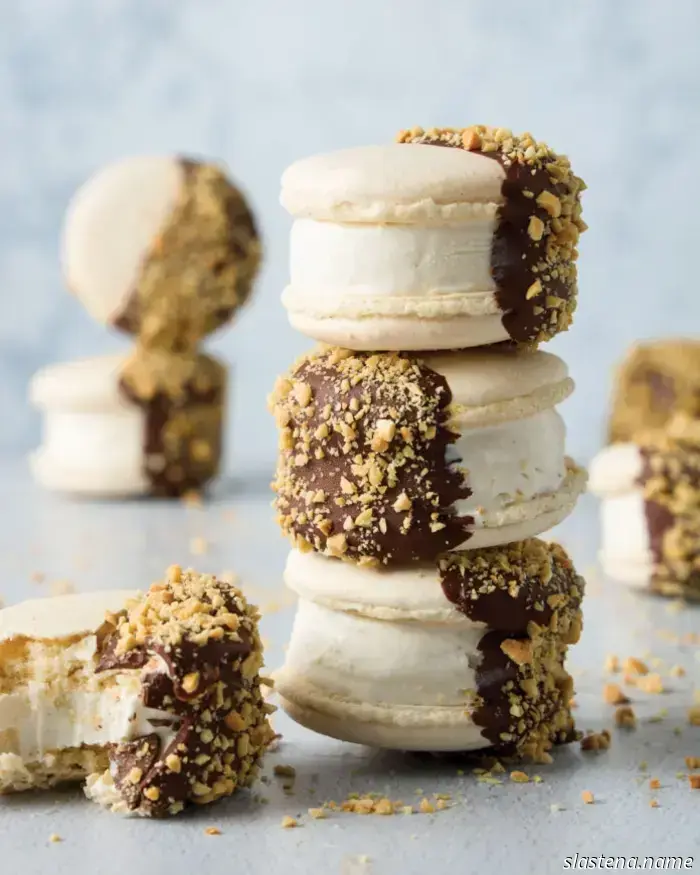
Inspired by the nostalgic Drumstick cone, these cookies feature layers of vanilla ice cream sandwiched between macarons infused with a touch of butter extract to resemble a waffle cone.
Our Readers' and Editors' Top Recipes of 2025 - Bake from Scratch
Our Readers' and Editors' Top Recipes of 2025 - Bake from Scratch
Blog
With recipes filled with the refreshing flavor of peppermint, incorporating crushed candies and peppermint extract, we illustrate why this season's most beloved candy is far more than just a stocking stuffer.
Peppermint-Cream Cheese Swirl Brownies View Recipe
Chocolate-Peppermint Roll Cake View Recipe
Peppermint Hot Chocolate Cheesecake View Recipe
Chocolate Peppermint Tart View Recipe
Peppermint Bark Cream Puffs View Recipe
Chocolate-Peppermint Layer Cake with Caramelized White Chocolate Buttercream View Recipe
Peppermint-Chocolate Sandwich Cookies View Recipe
Chocolate-Peppermint Bark Cookies View Recipe
Peppermint Bark-Stuffed Red Velvet Cookies View Recipe
Vanilla-Peppermint Swirl Bundt Cake View Recipe
Cream Cheese-Stuffed Vanilla-Peppermint Cookies View Recipe
White Chocolate Peppermint Scones View Recipe
Triple-Chocolate Peppermint Tart View Recipe
Peppermint Swirl Pound Cake View Recipe
Peppermint Cream Puffs View Recipe
Simple Salted Peppermint Bark View Recipe
White Chocolate-Peppermint Sweet Rolls View Recipe
Peppermint Custard-Stuffed Chocolate Cookies View Recipe
Peppermint Nanaimo Bars View Recipe
Peppermint Bark Puff Pastry Wreaths View Recipe
Peppermint-Mocha Red Velvet Marble Cookies View Recipe
RELATED ARTICLESMORE FROM AUTHOR
Make-Ahead Christmas Brunch Breads
Quick-Ship Gifts Every Holiday Host Will Love
Baking School In-Depth: Dacquoise
LEAVE A REPLY
Please enter your comment! Please enter your name here
You have entered an incorrect email address!
Please enter your email address here
Save my name, email, and website in this browser for the next time I comment.
This site uses Akismet to reduce spam. Learn how your comment data is processed.
Inspired by the nostalgic Drumstick cone, these cookies feature layers of vanilla ice cream sandwiched between macarons infused with a touch of butter extract to resemble a waffle cone.
Our Readers' and Editors' Top Recipes of 2025 - Bake from Scratch
Our Readers' and Editors' Top Recipes of 2025 - Bake from Scratch
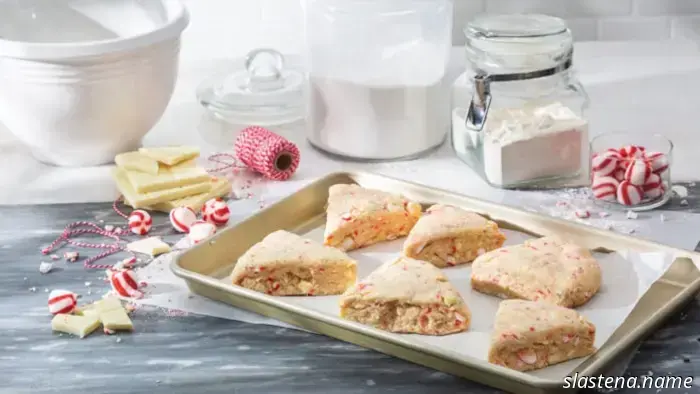 Make-Ahead Breads for Christmas Brunch - Bake from Scratch
Simplify Christmas morning with easy, make-ahead brunch recipes, featuring pull-apart breads, sweet rolls, and scones that are prepared in advance and baked upon enjoyment.
Eggnog Sweet Rolls - Bake from Scratch
Everyday sweet rolls are fine for any occasion, but for this special day, elevate your treat with our Eggnog Sweet Rolls.
Make-Ahead Breads for Christmas Brunch - Bake from Scratch
Simplify Christmas morning with easy, make-ahead brunch recipes, featuring pull-apart breads, sweet rolls, and scones that are prepared in advance and baked upon enjoyment.
Eggnog Sweet Rolls - Bake from Scratch
Everyday sweet rolls are fine for any occasion, but for this special day, elevate your treat with our Eggnog Sweet Rolls.
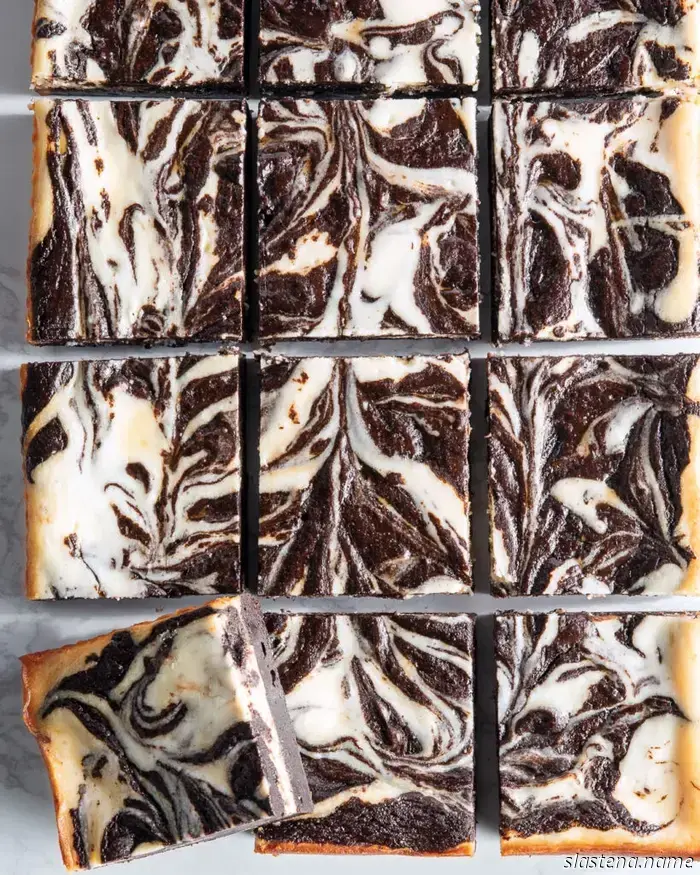 Festive Peppermint Recipes for Holiday Baking - Made from Scratch
With recipes filled with peppermint, we demonstrate why this season's most famous candy is far more than just a stocking stuffer.
Festive Peppermint Recipes for Holiday Baking - Made from Scratch
With recipes filled with peppermint, we demonstrate why this season's most famous candy is far more than just a stocking stuffer.
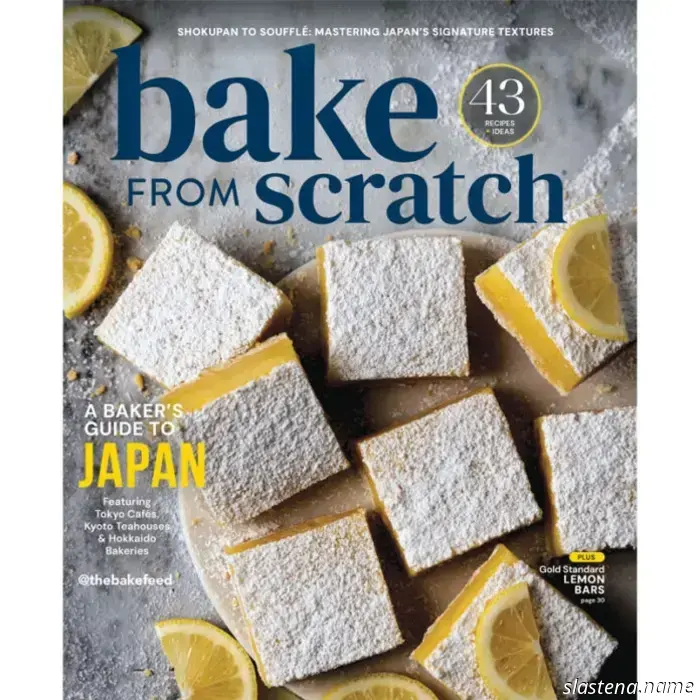 Shop the Issue: January/February 2026 - Baking from Scratch
Shop the Issue: January/February 2026 - Baking from Scratch
Shop the Issue: January/February 2026 - Baking from Scratch
Comprehensive Baking School: Dacquoise - Bake from Scratch
Dacquoise is a dessert defined by its contrasts—a delicately crunchy exterior, a soft chew, and smooth buttercream.