
From the Pantry: Peanuts - Bake from Scratch
It's difficult to believe that the globally renowned peanut exists in a perpetual state of identity confusion. Although it shares flavor traits with nuts, has the nutritional profile of seeds, and grows underground similar to tubers, the peanut is actually part of the Leguminosae family, which includes beans and peas. As a legume, it stands out uniquely within its category. When roasted, it releases aromatic oils and becomes irresistibly crunchy, while boiling makes it soft and creamy. Peanuts can be turned into peanut butter, processed into cooking oil, and ground into flour. The peanut may constantly wrestle with the philosophical question, “Am I a pea or am I a nut?” Regardless of the answer, it serves as an ideal companion for baking.
Peanuts were not always a household staple; in reality, they gained popularity gradually. A significant figure in changing this was Dr. George Washington Carver, who was born into slavery with the name George. After gaining freedom, he is credited with over 300 uses for the peanut, including applications in paints, lubricants, textiles, insulation, and 105 culinary uses. Due to his efforts, the peanut's popularity soared, making it a mainstay in kitchens.
Today, peanuts are ubiquitous—from sporting events and the circus to snacks during flights—but they are typically distinguished by their preparation methods, including salted, roasted, and shelled. However, peanuts also differ by type, with four primary market varieties prevalent in the US peanut industry: Runner, Virginia, Spanish, and Valencia, each offering unique flavors and characteristics. The Runner variety, which accounts for about 85% of US peanuts, is known for its robustness and high yield. Runner peanuts are medium-sized, uniform, and possess a straightforward peanut flavor. Their affordability makes them suitable for a wide range of products, including peanut butter, oils, candies, and snacks. Often enjoyed honey-flavored, paired with other nuts, or dry-roasted, these peanuts are a versatile option found on grocery store shelves.
The Virginia variety is often seen as the premium choice among peanuts due to its larger size and exceptional quality. A method called “blister roasting,” involving a hot dip in oil, enhances the crunchiness of these peanuts, which are best enjoyed on their own. Nevertheless, they can also enhance any recipe that includes peanuts, contributing remarkable crunch and sweetness—if you don't mind paying a bit more.
The Spanish peanut is characterized by its small, round shape and is rich in oleic acid (a beneficial monounsaturated fatty acid), making it a preferred option for peanut oil extraction. Its higher oleic content also extends the shelf life of the peanuts, ensuring that those in your favorite confections stay fresher for longer. The Valencia variety is smaller yet sweeter, known for its higher carbohydrate content. Long pods containing multiple beans are typical, so if you come across a shell with four or five peanuts, it's likely a Valencia. This type is often favored in natural peanut butters due to its intrinsic sweetness, which eliminates the need for added sugars.
Now, turning to peanut butter, one of the most cherished products made from peanuts. It consists of a mix of carbohydrates and proteins that becomes creamy through the dispersion of unsaturated fats, adding delightful flavor and smoothness to baked goods, making it a fantastic ingredient in cake batter and the highlight of buttercream. Chunky peanut butter can easily replace creamy in most recipes, but care is needed when piping frosting made from chunky peanut butter, as the bits can block pastry bags and piping tips.
The grinding process for peanuts extends beyond peanut butter. A coarse grind followed by pressing yields a golden oil that enhances baked goods. When this oil comes from roasted peanuts, it delivers a fragrant aroma that intensifies the peanut flavor in recipes. The oil can also be refined, resulting in a neutral taste and a higher smoke point. This high smoke point makes peanut oil an ideal choice for frying light and airy treats like doughnuts, beignets, and funnel cakes.
After the oil is extracted from the peanut meal, the leftover defatted flour, also known as peanut butter powder, is making its way onto grocery shelves. Don’t be misled by its modern appearance—peanut flour has been incorporated into baked goods for many years, as noted in an August 18, 1883, issue of Scientific American, which mentioned peanut biscuits. Peanut flour can be utilized in cookies, bars, cakes, and leavened breads to enhance flavor and texture, but since it lacks gluten, it cannot be directly substituted.
As the secret ingredient in many cherished recipes, the peanut remains one of the most versatile pantry staples. Thanks to Carver's ingenuity and determination, this national treasure is ours to relish.
Other articles
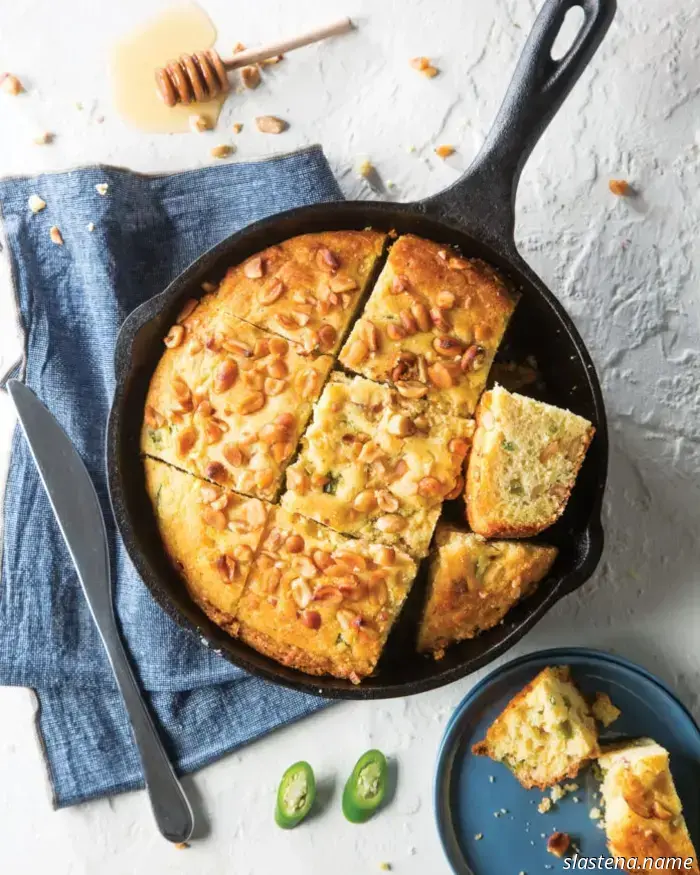 Peanut-Jalapeño Cornbread - A Recipe from Scratch
Two kitchen essentials, peanuts and cornmeal, combine to create the perfect cornbread side dish.
Peanut-Jalapeño Cornbread - A Recipe from Scratch
Two kitchen essentials, peanuts and cornmeal, combine to create the perfect cornbread side dish.
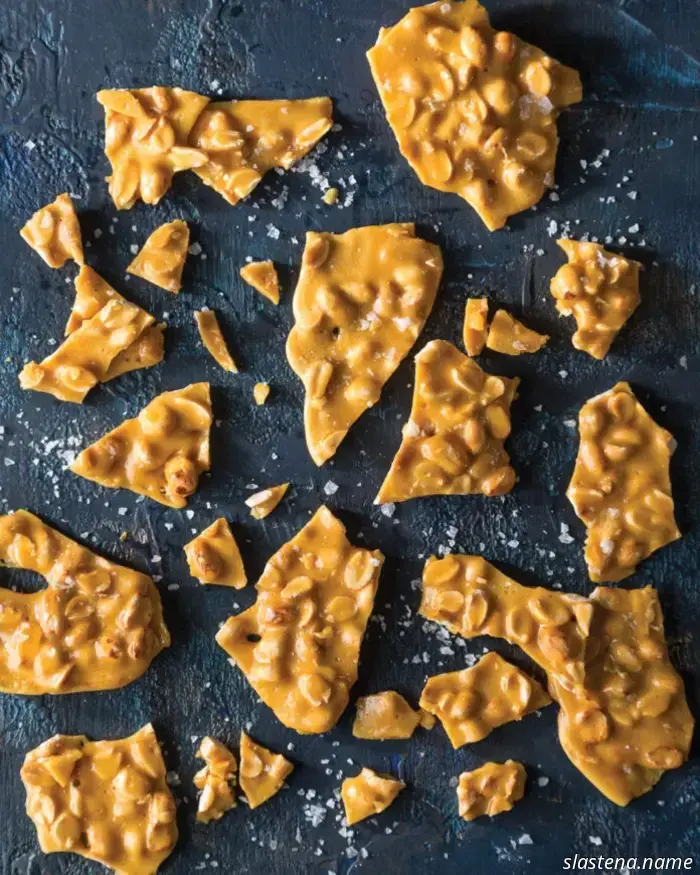 Bourbon Peanut Brittle - Bake from Scratch
Golden, crispy, and packed with rich, buttery peanuts, peanut brittle recipes have been shared through generations.
Bourbon Peanut Brittle - Bake from Scratch
Golden, crispy, and packed with rich, buttery peanuts, peanut brittle recipes have been shared through generations.
From the Pantry: Peanuts - Bake from Scratch
It’s difficult to believe that the globally renowned peanut exists in a perpetual state of identity confusion. Although it has the taste profile of a nut, contains the nutritional benefits of a seed, and grows underground like a tuber, the peanut actually belongs to the same plant family as beans and peas, known as Leguminosae. As a legume, it is unique within its category. When roasted, it emits fragrant oils and becomes irresistibly crunchy; when boiled, it becomes soft and creamy. It can be transformed into peanut butter, pressed into cooking oil, or milled into flour. The peanut may always grapple with the philosophical inquiry, “Am I a pea or a nut?” Regardless of the answer, it continues to be the ideal companion for baking.