
Origin of a Classic: Poppy Seed Roll - Bake from Scratch
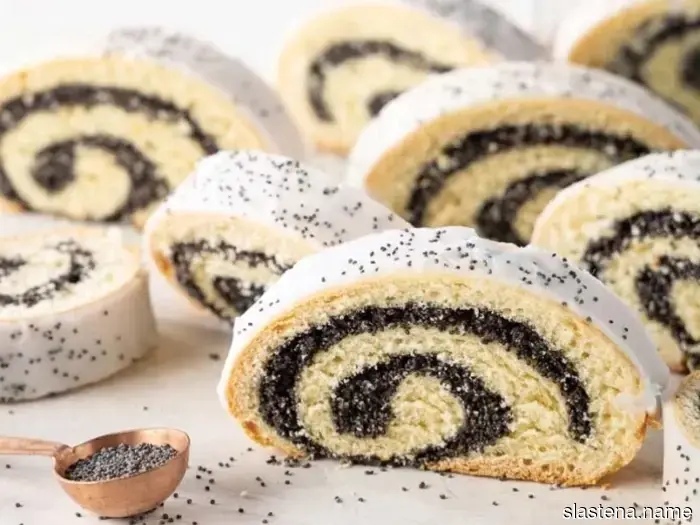
The Danube River flows at its own rhythm. In some areas, it is wide and slow, while in others, it rushes, carving through ten countries and connecting cities and villages, languages and histories, before it empties into the Black Sea. It carries remnants of history—echoes of empires, merchants trading spices and silks, bakers rolling out dough in warm kitchens, their hands sprinkled with flour and the air thick with the aroma of yeast and toasted poppy seeds. Along its banks, where the land is lush and fertile, fields of poppies sway in the wind. Though small, the seeds are rich in meaning and have been harvested in this region for centuries, ground into pastes, sweetened with honey, mixed into cakes, and folded into pastries. Making a poppy seed roll—known as makovník in Slovakia, mákos bejgli in Hungary, makowiec in Poland, and by many other names across Central and Eastern Europe—signifies participation in a time-honored tradition, carried forward through flour and sugar, careful filling, and tightly rolled dough.
The origins of the poppy seed roll are intertwined with the history of the region, influenced by shifting borders, migrations, and imperial powers. Some connect it to the Ottomans, who ruled parts of Central Europe for over a century, introducing filled pastries that may have influenced later variations. They brought börek—a rolled and filled pastry made from thin layers of dough. Over time, local bakers adapted the concept, replacing the flaky pastry with a softer, yeasted dough, using familiar ingredients for filling. The tradition was further spread by the Austro-Hungarian Empire, where recipes moved from noble kitchens to humble homes, with each region adding its unique touch.
By the 19th century, poppy seed rolls had become an integral part of Central European baking culture. They appeared in cookbooks and on holiday tables, especially during Christmas and Easter, their dark, spiraled filling a common sight among winter and spring feasts. The poppy seed, once a staple in ancient diets, accumulated layers of symbolism—prosperity, fertility, and protection from misfortune.
While poppy seed rolls became associated with festive occasions, they were not exclusively for holidays. Home bakers often made them to use leftover flour and butter, bakers sold them in markets as an everyday treat, and travelers on the Danube—sailors, traders, scholars moving between cities—would pack thick slices for lasting comfort.
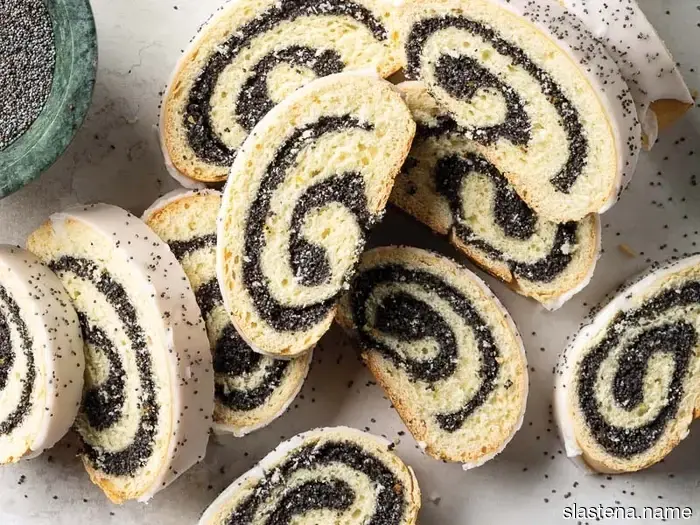
Poppy seed rolls are not confined to one country; each location along the Danube has made them its own. In Slovakia and the Czech Republic, makovník is typically served in thick slices, the poppy seed filling so dark it nearly appears black, the dough soft and mildly sweet. In Hungary, bejgli is baked into long, narrow logs, brushed with egg wash for a crackling glaze. In Austria, Mohnstrudel takes on a looser roll, resembling more of a strudel than bread and sometimes incorporating apples or a hint of cinnamon. In Serbia, štrudla sa makom is richer and butterier, meant to be enjoyed slowly.
Always, the poppy seeds carry a significant meaning. They symbolize abundance, renewal, and the history itself. The seeds were cultivated in this area long before it was divided into nations, before boundaries existed. Ancient Greeks and Romans valued them for their medicinal qualities, and medieval monks included them in spiced pastes for their fasting breads. The poppies have continued to flourish through war and peace, empire and independence, feeding generations of bakers who turned them into something far more than mere ingredients.
Making the roll has its rhythm: waiting patiently for the dough to rise; spreading the poppy seed filling evenly; rolling it tightly enough to keep the swirl intact; baking it while watching for the crust to reach the perfect shade of brown; and enjoying how the scent fills the home and lingers long after the oven is off.
Then comes the eating: a slice, thick or thin as preferred; accompanied by a cup of strong, dark coffee; a moment of reflection while gazing at the river and the surrounding land; a taste of something lovingly made over centuries, destined to be made as long as hands knead dough and fields of poppies flourish along the Danube.
Makes 2 (12-inch) loaves. Influenced by Turkish and Austrian pastries, the poppy seed roll became a staple in homes throughout Hungary, Slovakia, and other countries along the Danube. Its defining feature? A uniform spiral of filling encased in a beautiful golden crust. This recipe emphasizes the traditional poppy seed filling, honoring its deep cultural importance. However, its standout element is the technique: Beating the egg whites separately aerates the filling to avoid density, and loosely wrapping the dough in parchment during baking manages its expansion, preserving the signature swirl. A simple sugar glaze adds
Other articles
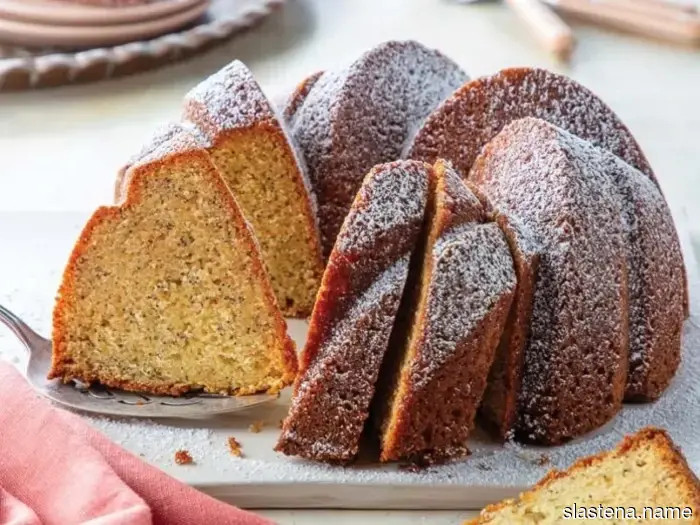 Almond Poppy Seed Bundt Cake - Recipe from Scratch
Aromas serve as a powerful connection to memories, and this lovely Bundt is filled with delicious nostalgia.
Raspberry-Oat Thumbprints - Bake with Care
Infuse your baking with a sense of nostalgia by preparing these Raspberry-Oat Thumbprints featuring Bonne Maman® Raspberry Fruit Spread.
Almond Poppy Seed Bundt Cake - Recipe from Scratch
Aromas serve as a powerful connection to memories, and this lovely Bundt is filled with delicious nostalgia.
Raspberry-Oat Thumbprints - Bake with Care
Infuse your baking with a sense of nostalgia by preparing these Raspberry-Oat Thumbprints featuring Bonne Maman® Raspberry Fruit Spread.
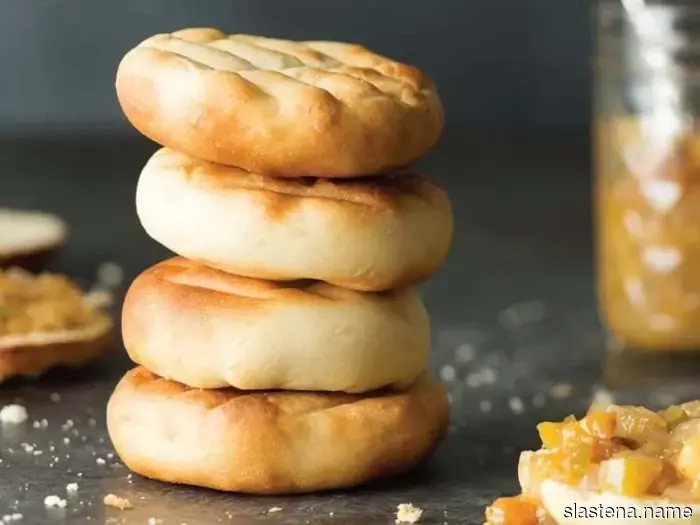 Classic Roosterkoek - Made from Scratch
Roosterkoek, which can be interpreted as griddle cake, begins with a sticky, yeast-based dough and results in fluffy bread marked by grill lines.
Classic Roosterkoek - Made from Scratch
Roosterkoek, which can be interpreted as griddle cake, begins with a sticky, yeast-based dough and results in fluffy bread marked by grill lines.
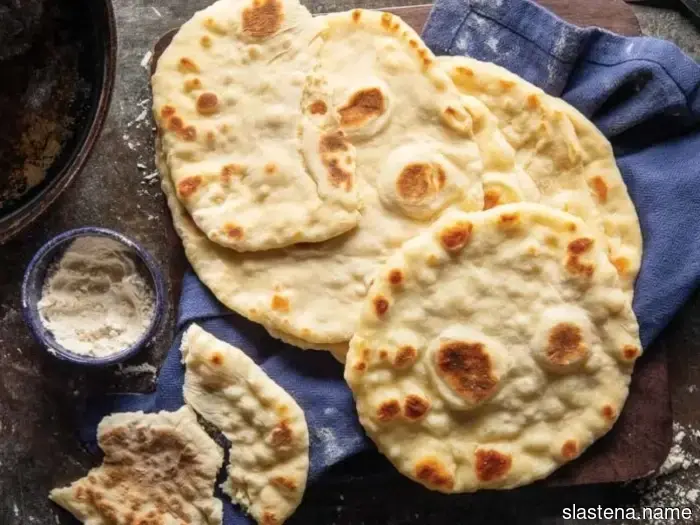 Greek Pita Bread - Bake from Scratch
Greek flatbread, referred to as pita, is distinctive for its dimples and absence of a hollow pocket, and it only needs a few basic ingredients.
Greek Pita Bread - Bake from Scratch
Greek flatbread, referred to as pita, is distinctive for its dimples and absence of a hollow pocket, and it only needs a few basic ingredients.
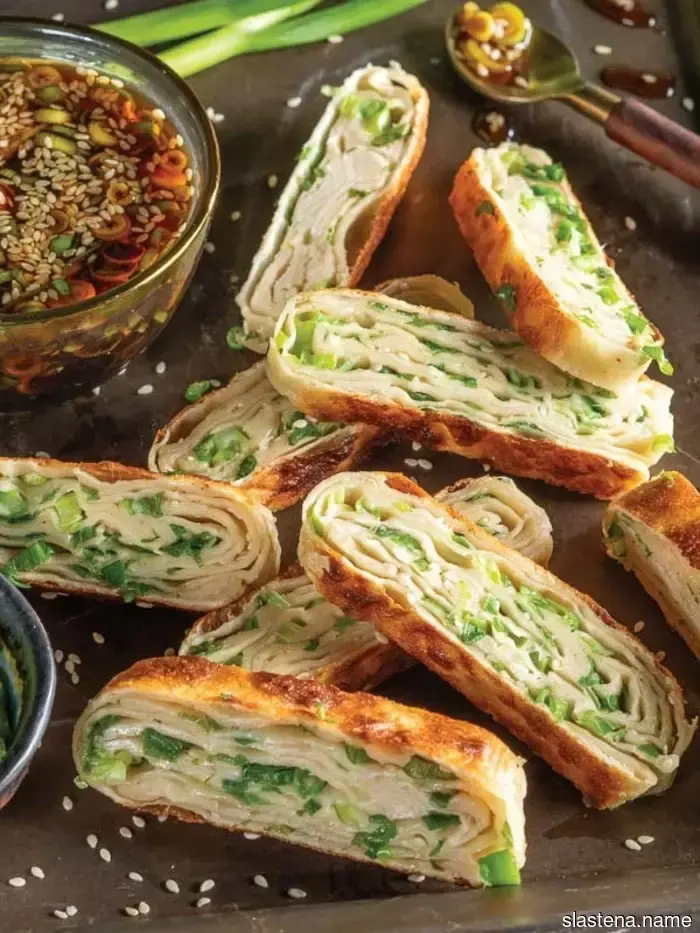 9-Layer Chinese Scallion Pancakes - Recipe from Bake from Scratch
This scallion pancake recipe yields a pancake that pairs wonderfully with a hot soup, is perfect for a Chinese weekend brunch, or satisfies any longing for a delicious snack.
9-Layer Chinese Scallion Pancakes - Recipe from Bake from Scratch
This scallion pancake recipe yields a pancake that pairs wonderfully with a hot soup, is perfect for a Chinese weekend brunch, or satisfies any longing for a delicious snack.
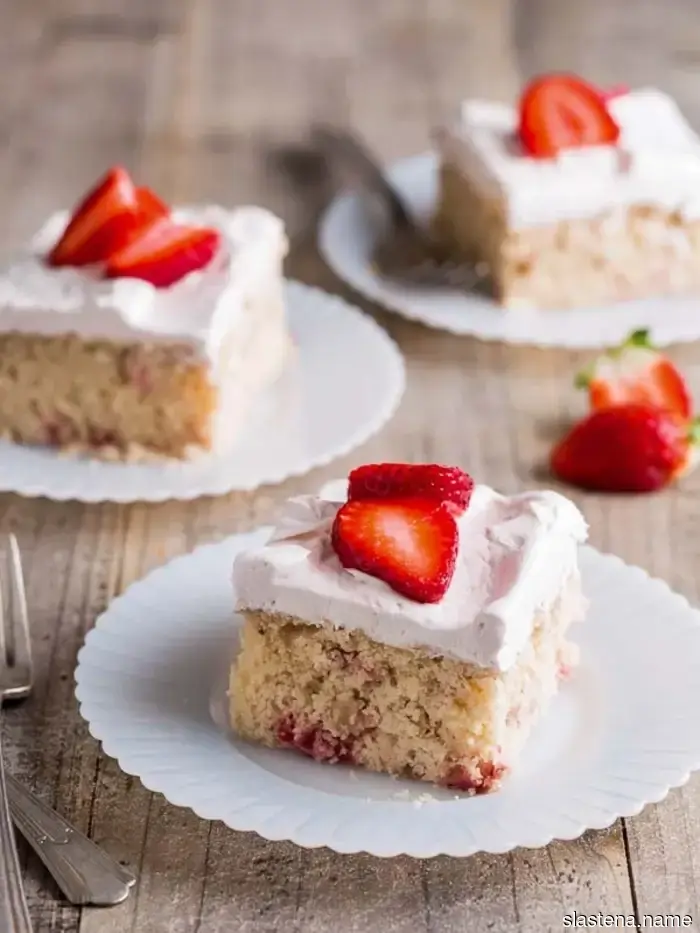 Baking for a Large Group: Memorial Day Desserts - Bake from Scratch
Our desserts and breads made in large batches are sure to not only satisfy but also impress the family, friends, and neighbors who come to your Memorial Day celebration.
Baking for a Large Group: Memorial Day Desserts - Bake from Scratch
Our desserts and breads made in large batches are sure to not only satisfy but also impress the family, friends, and neighbors who come to your Memorial Day celebration.
Origin of a Classic: Poppy Seed Roll - Bake from Scratch
From the fields beside the Danube to the dining tables of central Europe, poppy seed rolls have conveyed tales of commerce, customs, and festivities for hundreds of years.