
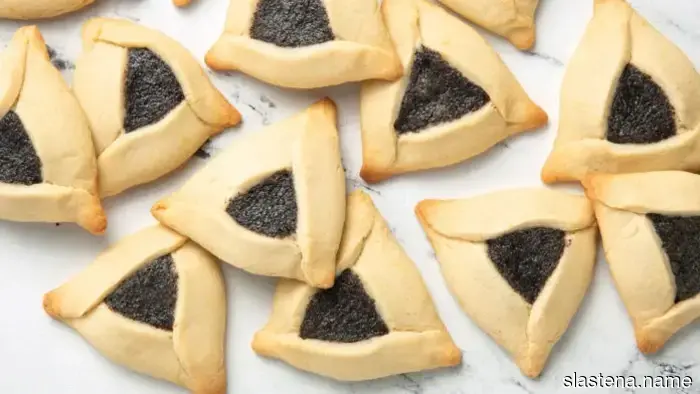
From the Pantry: Poppy Seeds - Baking from Scratch
The Danube River, meandering from the gentle hills of Bavaria to the Black Sea coast, represents much more than merely a waterway; it is a crucial artery of history, culture, and cuisine. Along its banks, poppy seeds have subtly made their mark—not just in the fields where the fragile flowers flourish but also in the lives of those who have nurtured and enjoyed them for ages.
There is something almost poetic about how these small, unpretentious seeds have woven themselves into the culinary traditions along the Danube. Perhaps it is their modest character, enabling them to complement both sweet and savory dishes effortlessly, that grants them such significance. Poppy seeds provide a grounding counterpoint to the sweetness of honey and fruit preserves, harmonizing beautifully with citrus zest and the richness of cream. Their gentle bitterness and nutty flavor render them remarkably versatile—whether combined with the earthy taste of rye bread or included in a fruit-stuffed strudel.
Originating from the Mediterranean region, the poppy plant has been cultivated for centuries throughout the ancient world. Historical records indicate that in Egypt, poppy seeds were utilized for medicinal purposes, acting as a sedative and pain reliever. When the Roman Empire spread across much of Europe, poppy seeds began to be used in cooking, prized not only for their flavor but also for their nutritional and medicinal properties. However, it wasn't until the Middle Ages, with the flourishing trade routes between Eastern and Western Europe, that poppy seeds began to influence the cuisine of the Danube area. Poppy plants thrive in the fertile lands along the river, and in the quaint villages dotted along its banks—where time often seems to stand still—wild poppies blossom in the fields, gently swaying in the breeze before the seeds are meticulously harvested.
As the fragile, paper-like petals of the poppy blossom fall, they expose seed pods, which gradually dry out. Once they have fully matured, the pods are harvested either manually or via machine. The seeds are then carefully extracted from the pods and cleaned. This harvesting process is done with precision, ensuring that every seed is collected with care. Such attention to detail guarantees that the seeds maintain their full flavor and texture, making them perfect for the baked goods that have been fundamental to European baking customs for centuries.
The Danube has historically served as a channel for cultural exchange, and the presence of poppy seeds along its banks underscores this shared heritage—whether in Czech delicacies like makový dort (poppy seed cake) or Romanian breads filled with dark poppy seed paste.
In Hungary, the unique flavor of poppy seeds is closely associated with mákos guba, a dessert made from leftover sweet white bread, milk, butter, sugar, and a generous sprinkling of crushed poppy seeds. This straightforward, comforting dish exemplifies resourcefulness, passed down through the ages. In Vienna, Austria, poppy seeds play a crucial role in both sweet and savory strudels, where they’re combined with fillings like apples, cinnamon, raisins, or even poppy seed paste, creating a rich, contrasting taste against the light, flaky pastry layers.
In the Czech Republic, poppy seeds are commonly used to fill koláče—round pastries typically filled with fruit preserves or poppy seed paste. In Slovakia, they are used in makovník, a sweet roll crafted from buttery dough with layers of black or white poppy seed filling.
In Romania, where the Danube flows through southern Europe, poppy seeds are frequently mixed with ground walnuts to create a rich filling for pastries, cakes, and traditional bread. This luxurious combination of flavors pays tribute to the abundance of the riverbanks—rich, nutty, and slightly bitter yet undeniably comforting. I envision sitting by the river, observing its flow, and relishing a piece of freshly baked cozonac—a traditional sweet bread swirled with cocoa powder, cinnamon, and walnut filling, topped with poppy seeds, and baked to perfection.
Poppy seeds provide more than just taste; akin to the river, which shapes the land, they connect us to our past, to the earth, and to the enduring beauty of nature’s simplest offerings. In a fast-paced world, poppies—like the Danube—urge us to pause, reflect, and appreciate the quiet moments that, in their unpretentious elegance, link us to the perpetual flow of life.
STORING POPPY SEEDS
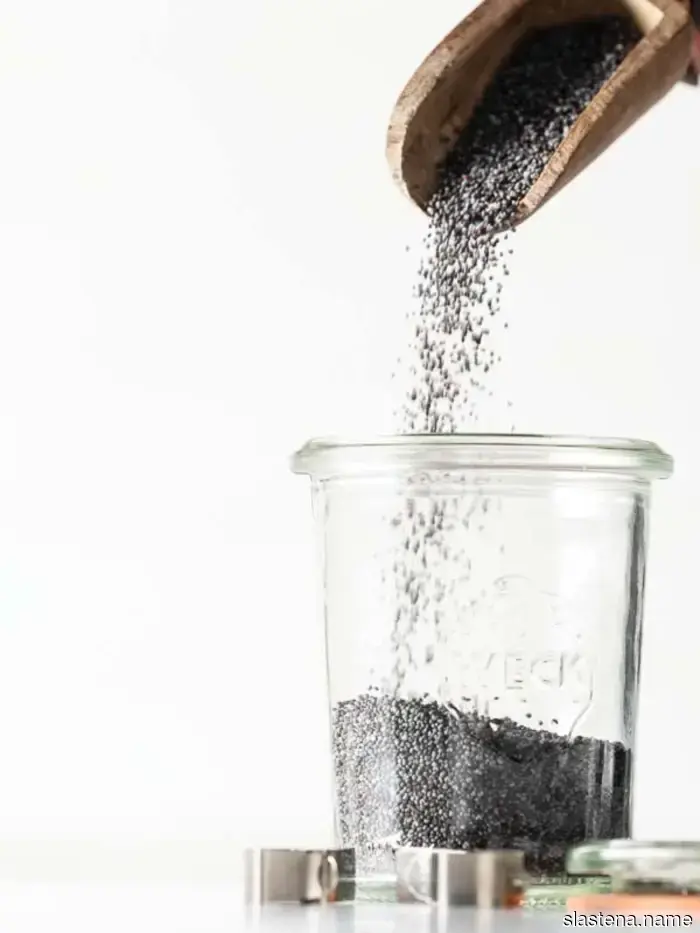
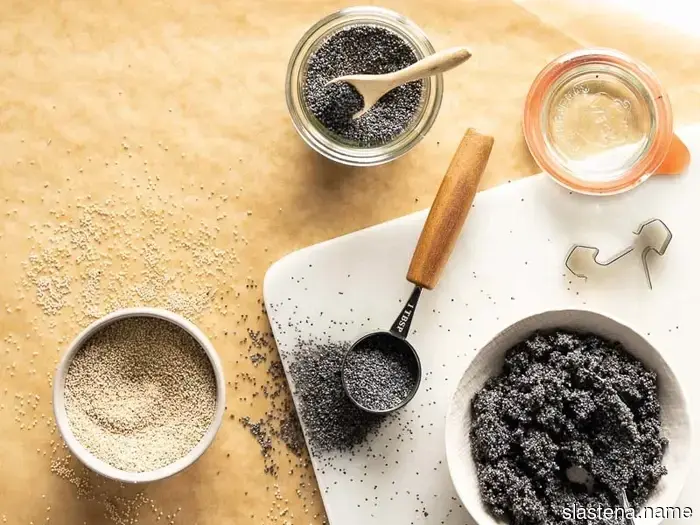
Poppy seeds are delicate and can quickly lose their flavor if not stored properly. Keep them in an airtight container in a cool, dark place, away from heat and moisture. If you don’t use them frequently, you can store them in the fridge or even the freezer, where they’ll remain fresh for up to six months. Just be sure to allow them to come to room temperature before using them, as this will help unleash their full flavor and aroma.
THE SUBTLE ELEGANCE
Other articles
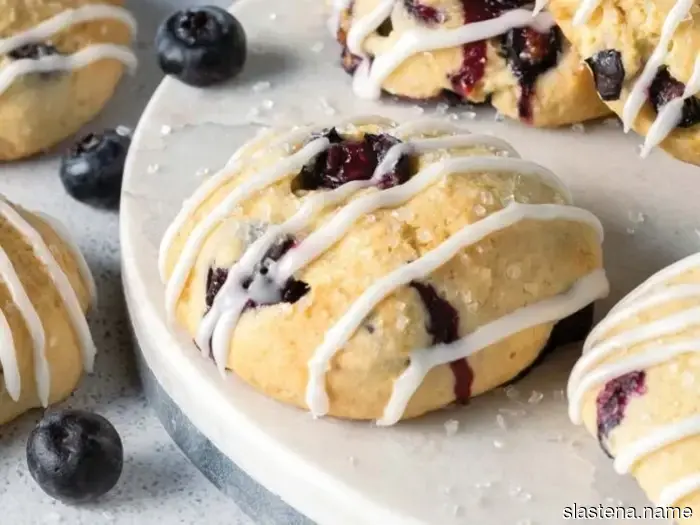 Blueberry-Ricotta Cookies - A Recipe from Bake from Scratch
With a sugar-coated outside and a soft inside, these goodies blend the crispiness of a cookie with the lightness of cake.
Blueberry-Ricotta Cookies - A Recipe from Bake from Scratch
With a sugar-coated outside and a soft inside, these goodies blend the crispiness of a cookie with the lightness of cake.
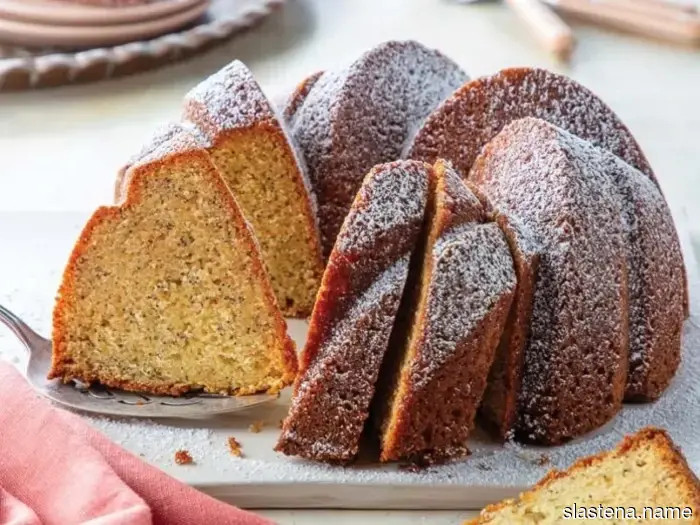 Almond Poppy Seed Bundt Cake - Recipe from Scratch
Aromas serve as a powerful connection to memories, and this lovely Bundt is filled with delicious nostalgia.
Almond Poppy Seed Bundt Cake - Recipe from Scratch
Aromas serve as a powerful connection to memories, and this lovely Bundt is filled with delicious nostalgia.
 The Emergence of Small State Provisions - Bake from Scratch
From a home kitchen to a successful bakery, Kevin Masse’s Small State Provisions in Hartford, Connecticut, represents the essence of baking with passion.
The Emergence of Small State Provisions - Bake from Scratch
From a home kitchen to a successful bakery, Kevin Masse’s Small State Provisions in Hartford, Connecticut, represents the essence of baking with passion.
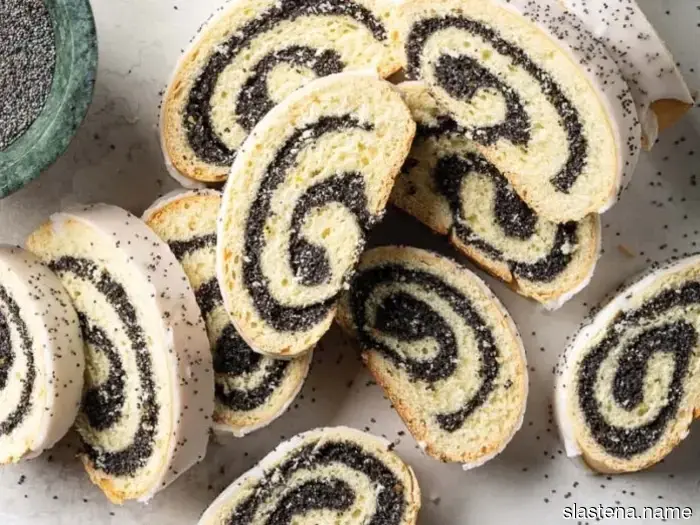 Poppy Seed Perfection: Our Top Recipes - Bake from Scratch
 The Emergence of Small State Provisions - Bake from Scratch
Starting from a home kitchen and growing into a successful bakery, Kevin Masse's Small State Provisions in Hartford, Connecticut, represents the essence of baking with passion.
The Emergence of Small State Provisions - Bake from Scratch
Starting from a home kitchen and growing into a successful bakery, Kevin Masse's Small State Provisions in Hartford, Connecticut, represents the essence of baking with passion.
 The Emergence of Small State Ingredients - Bake from Scratch
Transitioning from a home kitchen to a successful bakery, Kevin Masse’s Small State Provisions in Hartford, Connecticut, truly represents the essence of baking with passion.
The Emergence of Small State Ingredients - Bake from Scratch
Transitioning from a home kitchen to a successful bakery, Kevin Masse’s Small State Provisions in Hartford, Connecticut, truly represents the essence of baking with passion.
From the Pantry: Poppy Seeds - Baking from Scratch
Along the Danube River, poppy seeds have become intertwined with the history of European cuisine, infusing each bite with a hint of enduring tradition.