
Baking School Comprehensive Guide: Castella Cake - Bake from Scratch
Castella’s characteristic crumb relies on meticulously controlled aeration, exact starch balance, and gentle heating. Each ingredient serves a specific structural purpose—minor adjustments can significantly alter the outcome.
DEMERARA SUGAR: Placed at the bottom of the pan, demerara sugar features large, slowly melting crystals that begin to dissolve during baking, forming a sticky crust beneath the cake. This layer adds textural contrast and serves as a localized moisture barrier at the loaf's base. Its greater molasses content also facilitates gentle caramelization without burning, even at castella's relatively low baking temperature.
EGGS: The primary structural component is eggs. When gently warmed with sugar, the proteins in eggs partially denature, enabling them to better trap air while being whipped. This foam gradually sets during baking, resulting in castella’s delicate, custard-like texture rather than a coarse sponge. Utilizing eggs at room temperature guarantees consistent emulsification and predictable volume.
GRANULATED SUGAR: Sugar helps stabilize the egg foam by delaying protein coagulation, allowing the mixture to expand before solidifying. During baking, it retains moisture and lends castella its distinctive sheen. It's essential for the sugar to fully dissolve during the warm whisking stage—any undissolved crystals can destabilize the foam and result in an uneven texture.
HONEY (CLASSIC VERSION): Honey is hygroscopic, meaning it draws in and retains moisture. This characteristic helps keep castella moist over time while providing the crumb with a supple elasticity. Honey also adds a subtle acidity that slightly enhances the egg foam and promotes a glossy surface. Diluting it with hot water reduces its viscosity, allowing for even dispersion without deflating the batter.
LIGHT CORN SYRUP (CHOCOLATE VERSION): In this version, corn syrup replaces honey to maintain moisture and structural support without imparting a competing flavor. Its glucose content prevents crystallization, aiding in the maintenance of a smooth crumb and a clean sweetness that lets the cocoa take precedence.
HOT WATER: When added to honey or corn syrup, hot water decreases viscosity and ensures that the sweetener mixes seamlessly into the egg foam. Employing simmering water from the bain-marie allows for consistent temperature, preventing the batter from cooling and losing volume.
BREAD FLOUR: Bread flour is crucial for providing structure in this delicate, foam-based cake. Its higher protein content enables castella's significant rise and allows repeated stirring without collapsing. The strength of the flour is key—if it’s too weak, the cake may compress or sink post-baking; if too strong, the crumb can become excessively tight.
POTATO STARCH (CLASSIC VERSION): Potato starch softens the crumb by minimizing gluten formation and binding water effectively. Its large granules readily swell during baking, contributing to castella’s smooth, custard-like mouthfeel. The equilibrium between bread flour and starch is what sets castella apart from Western sponge cakes.
DUTCH PROCESS COCOA POWDER (CHOCOLATE VERSION): Dutch process cocoa is treated to reduce acidity and minimize foam destabilization. It absorbs moisture readily, so maintaining precise hydration and sugar balance is vital to avoid dryness while ensuring a fine, even crumb.
KOSHER SALT: Salt slightly tightens the protein structure, encouraging a finer crumb and enhancing sweetness. In chocolate castella, it also intensifies the flavor of the cocoa, preventing the cake from having a flat taste.
Other articles
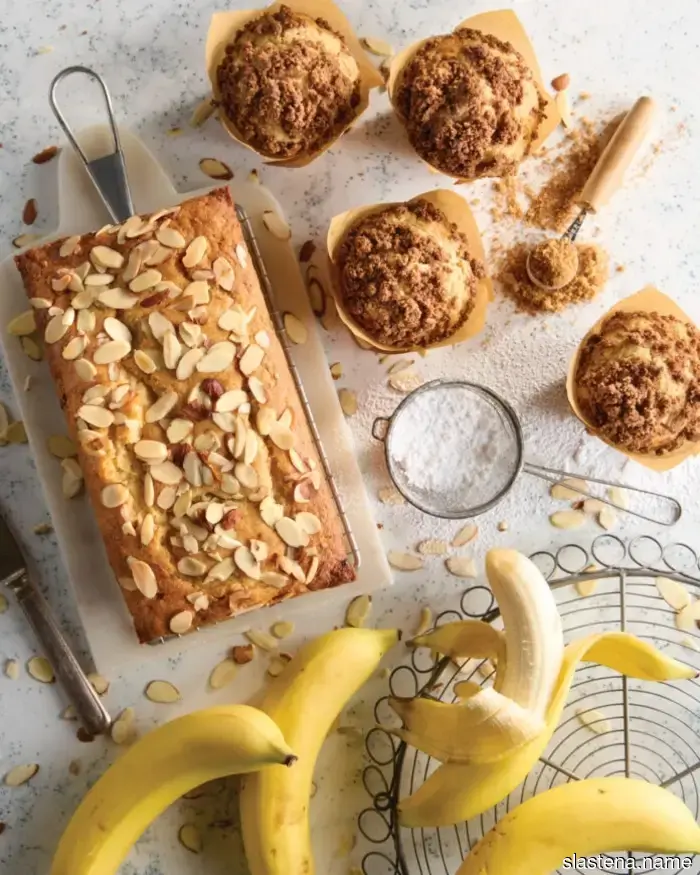 5 Variations of Banana Bread - Bake from Scratch
Get your muffin tins and loaf pans ready for these amazingly delicious banana breads. Featuring Black Cocoa Banana Bread, Banana Bread Coffee Cake Muffins, and more, you’re bound to enjoy these five new takes on a classic favorite.
5 Variations of Banana Bread - Bake from Scratch
Get your muffin tins and loaf pans ready for these amazingly delicious banana breads. Featuring Black Cocoa Banana Bread, Banana Bread Coffee Cake Muffins, and more, you’re bound to enjoy these five new takes on a classic favorite.
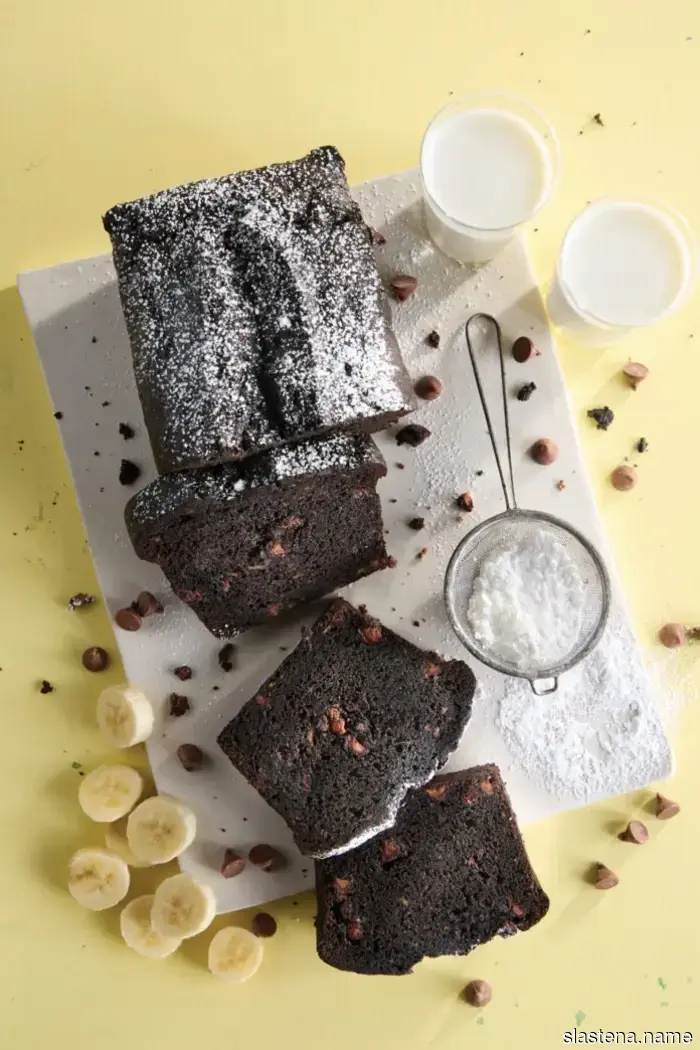 Black Cocoa Banana Bread - Recipe from Scratch
Black cocoa powder not only lends this banana bread a captivatingly dark hue, but it also imparts a profoundly rich, deep chocolate taste. A combination of brown sugar, vegetable oil, and sour cream guarantees that the crumb remains wonderfully moist. You’ll find yourself longing for another slice of this deliciously deep, dark bread long after it's finished.
Black Cocoa Banana Bread - Recipe from Scratch
Black cocoa powder not only lends this banana bread a captivatingly dark hue, but it also imparts a profoundly rich, deep chocolate taste. A combination of brown sugar, vegetable oil, and sour cream guarantees that the crumb remains wonderfully moist. You’ll find yourself longing for another slice of this deliciously deep, dark bread long after it's finished.
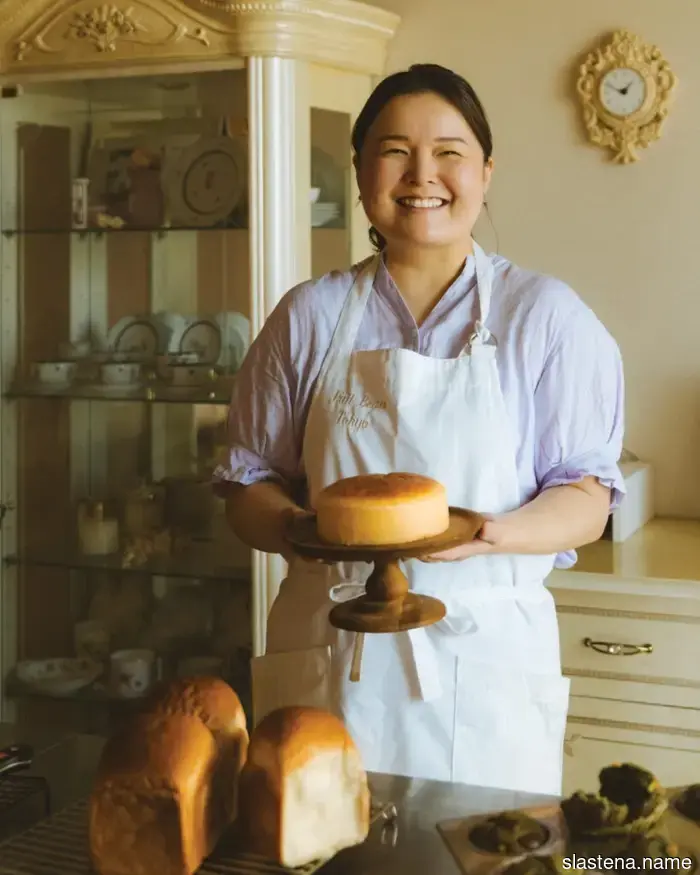 Sawako’s Tokyo Kitchen - Bake Made from Scratch
By Amber Wilson Photography by Joann Pai On a weekday morning in the Shibuya district of Tokyo, the doors of a studio kitchen swing open, releasing the aromas of butter and steam. The kitchen is simple yet pristine: bowls stacked neatly, offset spatulas and pastry brushes arranged with careful precision, parchment sheets trimmed into exact rectangles. Swift yet calm,
Sawako’s Tokyo Kitchen - Bake Made from Scratch
By Amber Wilson Photography by Joann Pai On a weekday morning in the Shibuya district of Tokyo, the doors of a studio kitchen swing open, releasing the aromas of butter and steam. The kitchen is simple yet pristine: bowls stacked neatly, offset spatulas and pastry brushes arranged with careful precision, parchment sheets trimmed into exact rectangles. Swift yet calm,
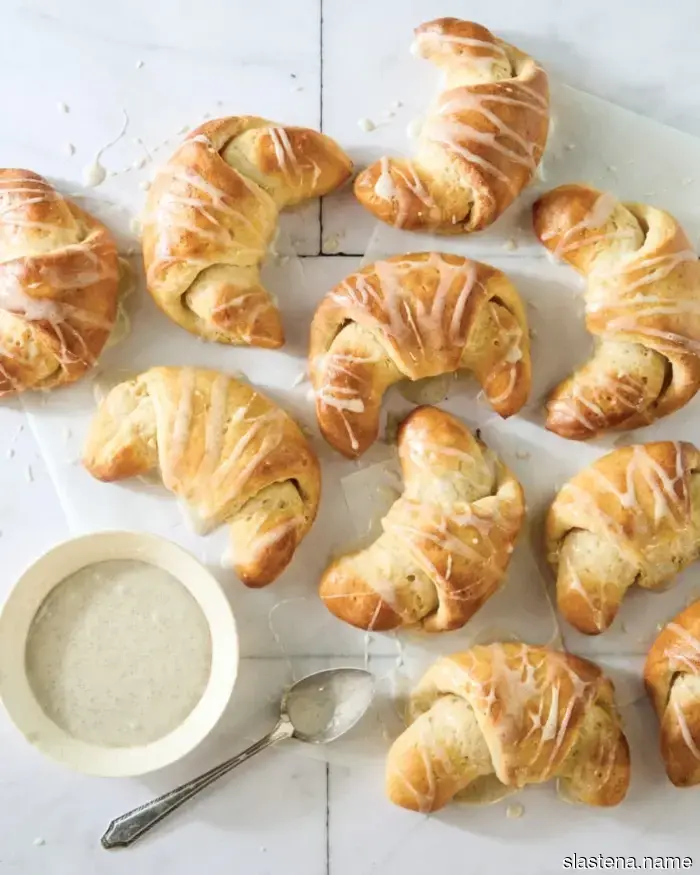 Gluten-Free Crescent Rolls with Vanilla Glaze - Bake from Scratch
These crescent rolls, which are gluten-free, are prepared using an enriched dough, leading to a soft and fluffy texture.
Gluten-Free Crescent Rolls with Vanilla Glaze - Bake from Scratch
These crescent rolls, which are gluten-free, are prepared using an enriched dough, leading to a soft and fluffy texture.
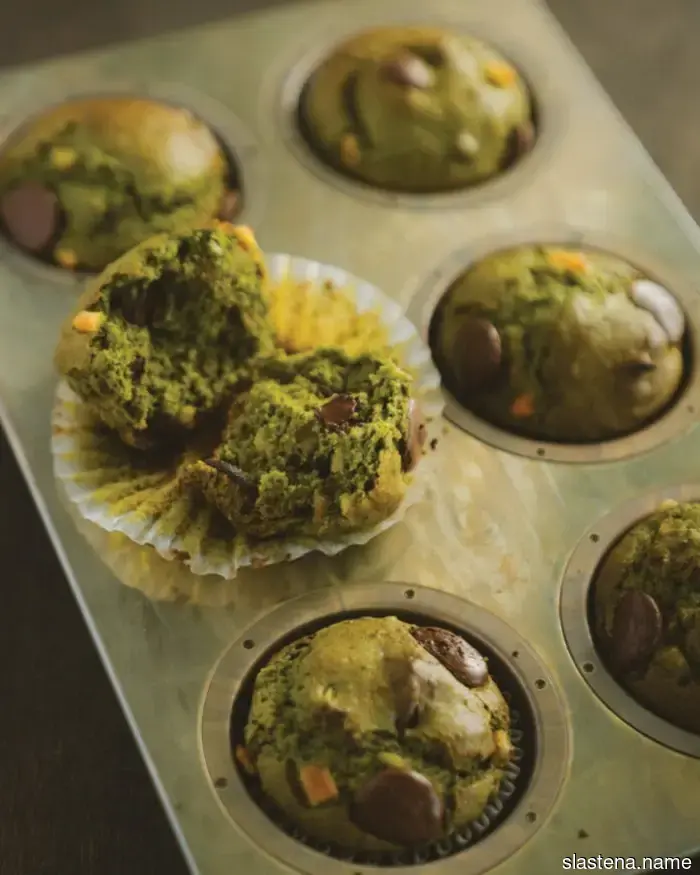 Matcha Muffins - Bake from Zero
Recipe by Sawako, Fait Beau Tokyo Matcha imparts a fresh, grassy brightness to these soft muffins, complemented by candied orange peel and chunks of melted chocolate. The batter is combined in stages to maintain a light crumb, and a quick change in temperature encourages them to rise high before they settle. They are straightforward, refined, and bursting with flavor. Matcha
Matcha Muffins - Bake from Zero
Recipe by Sawako, Fait Beau Tokyo Matcha imparts a fresh, grassy brightness to these soft muffins, complemented by candied orange peel and chunks of melted chocolate. The batter is combined in stages to maintain a light crumb, and a quick change in temperature encourages them to rise high before they settle. They are straightforward, refined, and bursting with flavor. Matcha
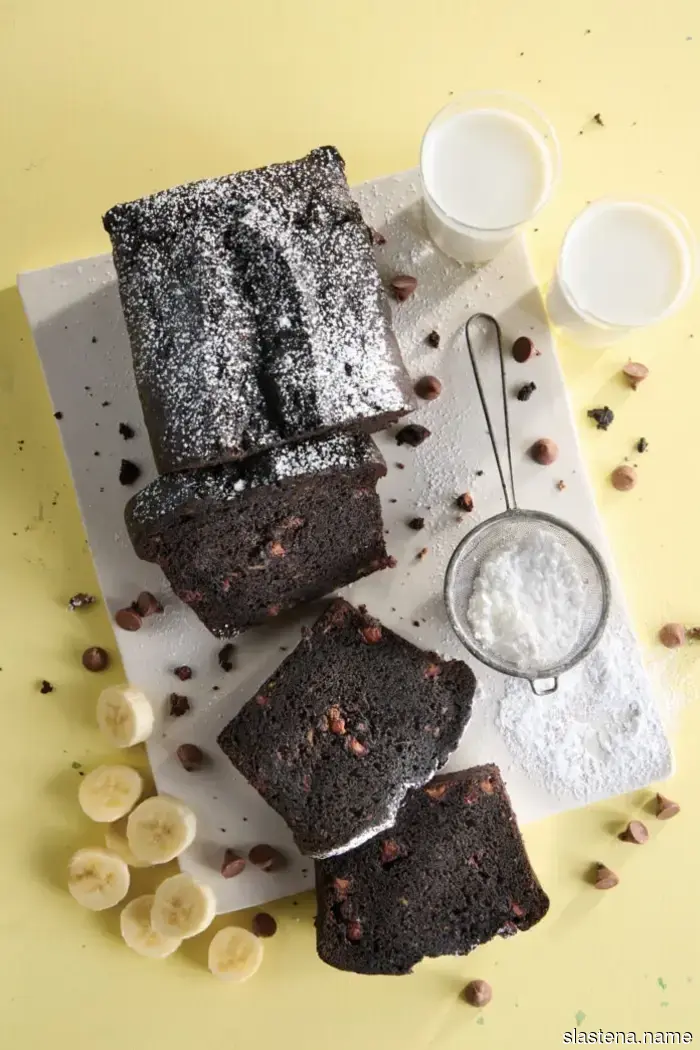 Black Cocoa Banana Bread - Recipe from Scratch
Black cocoa powder not only imparts a captivating dark hue to this banana bread, but it also contributes a profoundly rich and deep chocolate taste. A combination of brown sugar, vegetable oil, and sour cream guarantees that the texture remains pleasantly moist. You'll find yourself longing for another slice of this rich, dark, scrumptious bread even after it's been devoured.
Black Cocoa Banana Bread - Recipe from Scratch
Black cocoa powder not only imparts a captivating dark hue to this banana bread, but it also contributes a profoundly rich and deep chocolate taste. A combination of brown sugar, vegetable oil, and sour cream guarantees that the texture remains pleasantly moist. You'll find yourself longing for another slice of this rich, dark, scrumptious bread even after it's been devoured.
Baking School Comprehensive Guide: Castella Cake - Bake from Scratch
Castella, also known as kasutera, is one of those seemingly straightforward cakes that surprises you with its minimal ingredient list and the substantial reward it provides.