
Breton Baking - Homemade from the Ground Up
Originating from Brittany, France, Breton pastries are celebrated for their ample use of salted butter. In the 14th century, the French government imposed a tax known as the gabelle on consumer goods. By the 15th century, this term predominantly referred to a salt tax, specifically a tax on salt consumption. France had a wide range of tax rates, with many areas receiving unfair tax reductions and exemptions due to the influence of local clergy and nobility, who leveraged their authority to secure certain advantages reminiscent of feudal practices. During this period, following extensive political negotiations that resulted in Brittany's formal integration into France, the region was deemed legally exempt from the extensive salt tax. The marked differences in tax rates, especially the salt tax, are often viewed as a key factor leading to the French Revolution in 1789.
Brittany, as a peninsular region, has long been recognized as a significant source of both dairy products and sea salt. Consequently, bakers, chefs, and home cooks frequently used salt not only to preserve food and prevent spoilage of perishable items like dairy but also to enhance the flavor of their culinary creations. The use of salted butter in baked goods balanced the richness of the butterfat and highlighted the delicate sweetness of local dairy, securing its place as a favored ingredient in regional cuisine for centuries. Even after the salt tax was abolished post-French Revolution, salted butter remained widely used in Brittany, a tradition that persists today.
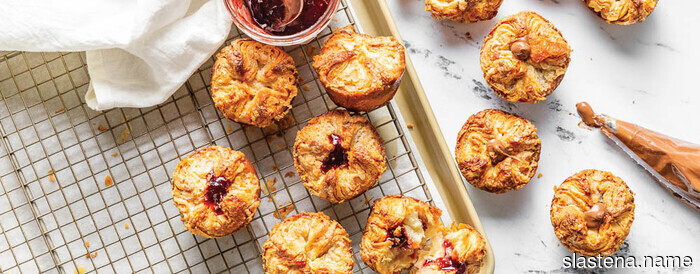
While unsalted butter is typically chosen for precise salt control in recipes, we gladly opt for salted butter when preparing these Breton pastries. Quick Kouign Amann, pronounced queen ah-mahn, is a pastry from the Brittany region of France that showcases both the flaky texture of the pastry and the flavors of caramelized sugar and salted butter. Although it is often regarded as complex and laborious, our recipe offers a quicker yet equally delicious version. It yields 12 pastries.
Toasted Almond Sablés made with Président® butter are the ultimate melt-in-your-mouth cookies, with a creaminess that beautifully complements the flavor of toasted almonds. Président is the leading butter in France and our top choice for crumbly French cookies. Discover more French baking recipes in our March/April 2019 issue.
Black Cocoa Kouign Amann is a buttered, sugared, and laminated Breton pastry available in your favorite cocoa shade. The deep chocolate flavor layered within the caramelized crunch enhances the already delectable kouign amann.
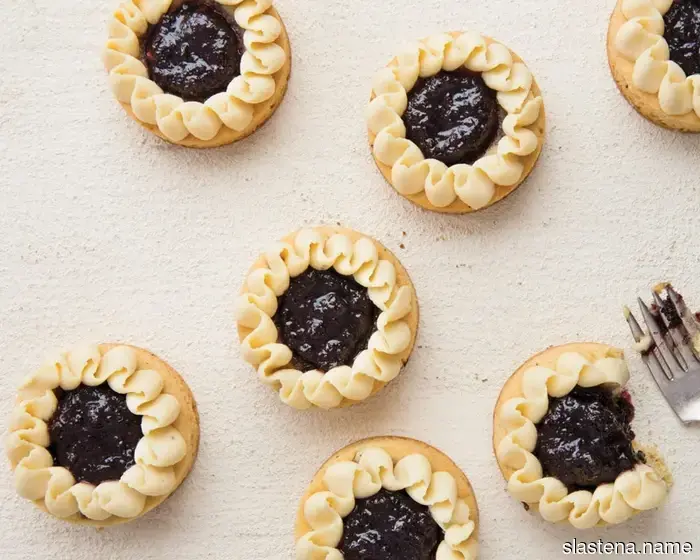
Juniper, Pear, and Blueberry Breton Tarts pay homage to the tradition of drying blueberries taught to the Pilgrims by the Wampanoag, allowing them to enjoy this fruit during harsh New England winters. For our tribute to blueberries, we combined dried pear slices with a filling of dried blueberries, lemon, and gin flavors.
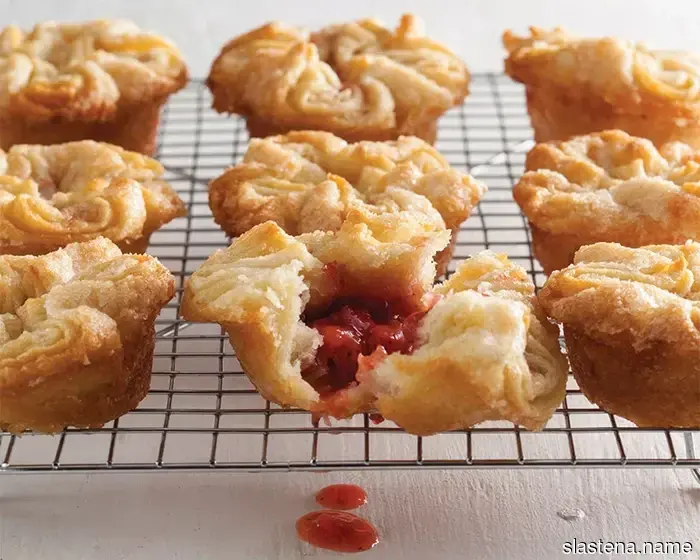
Strawberry Ginger Kouign Amann features a generous topping of ginger sugar that provides an irresistible crunch, complemented by crisp, airy layers thanks to the inclusion of salted butter. Although we usually prefer unsalted butter for baking, this recipe is a notable exception; Breton pâtissiers are renowned for using salted butter in their pastries.
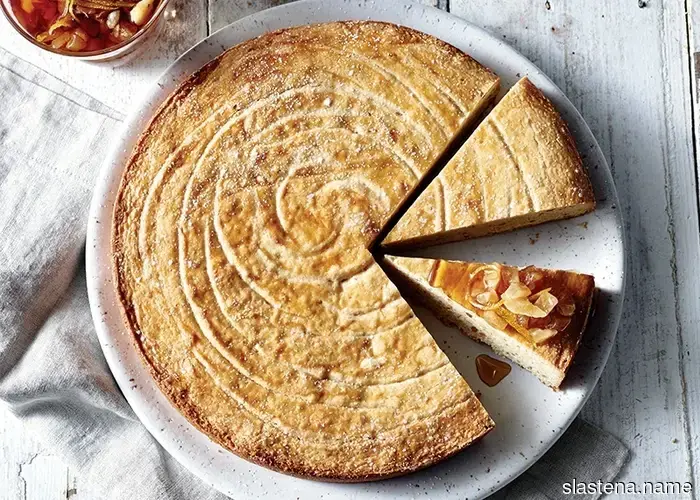
Almond Gâteau Breton, a classic butter cake from Brittany in northwest France, stands out for its simplicity and satisfaction. It requires no layers, icing, or special equipment. More details can be found in our One-Layer Cakes Special Issue. Almond Gâteau Breton yields one 9-inch cake.

Other articles
 Matcha Muffins - Bake from Scratch
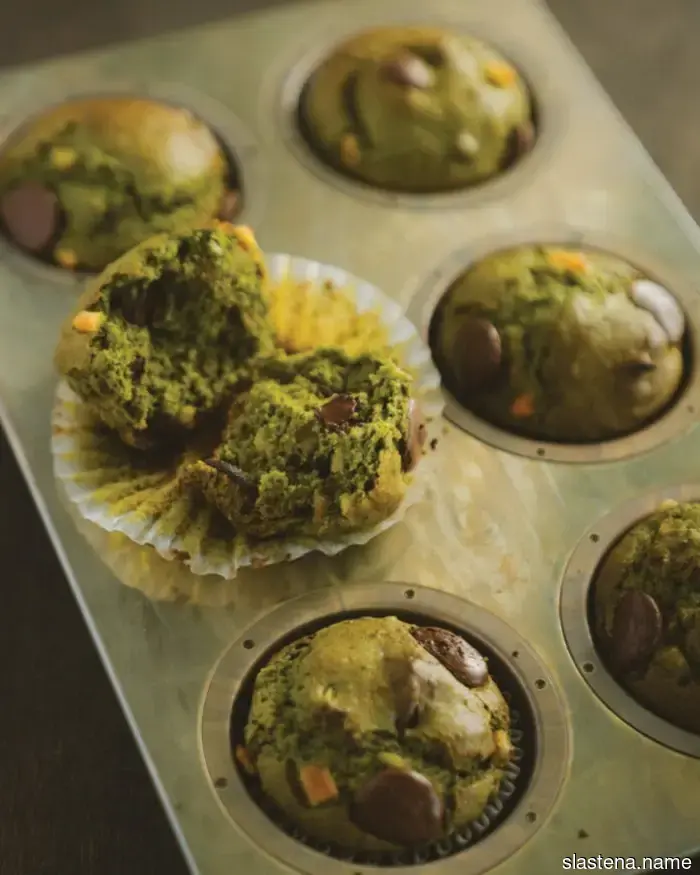
Recipe by Sawako, Fait Beau Tokyo Matcha introduces a fresh, grassy brightness to these soft muffins, complemented by candied orange peel and pools of melted chocolate. The batter is mixed in phases to maintain a light crumb, and a quick change in temperature encourages them to rise high before they settle. These muffins are uncomplicated, sophisticated, and packed with flavor. Matcha
Matcha Muffins - Bake from Scratch
Recipe by Sawako, Fait Beau Tokyo Matcha introduces a fresh, grassy brightness to these soft muffins, complemented by candied orange peel and pools of melted chocolate. The batter is mixed in phases to maintain a light crumb, and a quick change in temperature encourages them to rise high before they settle. These muffins are uncomplicated, sophisticated, and packed with flavor. Matcha
 Matcha Muffins - Bake from Zero
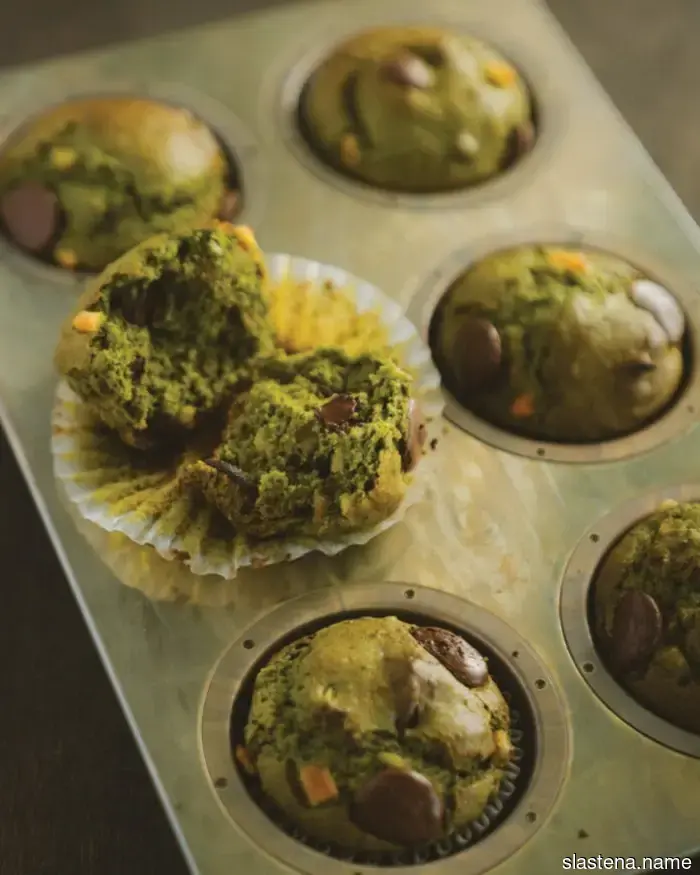
Recipe by Sawako, Fait Beau Tokyo Matcha imparts a fresh, grassy brightness to these soft muffins, complemented by candied orange peel and chunks of melted chocolate. The batter is combined in stages to maintain a light crumb, and a quick change in temperature encourages them to rise high before they settle. They are straightforward, refined, and bursting with flavor. Matcha
Matcha Muffins - Bake from Zero
Recipe by Sawako, Fait Beau Tokyo Matcha imparts a fresh, grassy brightness to these soft muffins, complemented by candied orange peel and chunks of melted chocolate. The batter is combined in stages to maintain a light crumb, and a quick change in temperature encourages them to rise high before they settle. They are straightforward, refined, and bursting with flavor. Matcha
 Sawako's Tokyo Kitchen - Baking Made from Scratch
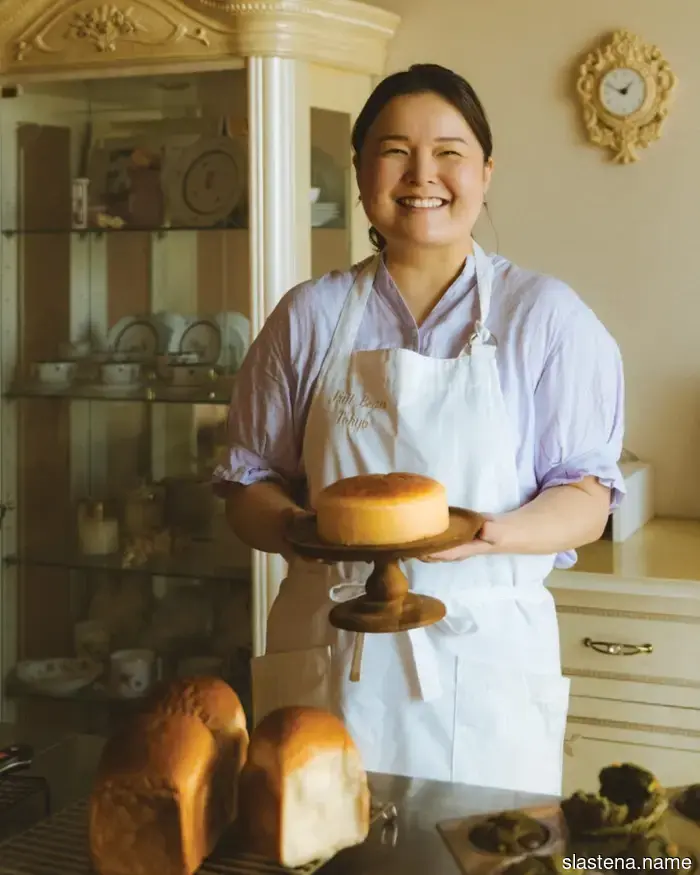
By Amber Wilson Photography by Joann Pai On a weekday morning in Tokyo's Shibuya ward, the doors of a studio kitchen swing open to reveal butter and steam. The kitchen is simple yet pristine: bowls are neatly stacked, offset spatulas and pastry brushes are arranged with careful intention, and parchment sheets are cut into perfect rectangles. The atmosphere is quick but relaxed,
Sawako's Tokyo Kitchen - Baking Made from Scratch
By Amber Wilson Photography by Joann Pai On a weekday morning in Tokyo's Shibuya ward, the doors of a studio kitchen swing open to reveal butter and steam. The kitchen is simple yet pristine: bowls are neatly stacked, offset spatulas and pastry brushes are arranged with careful intention, and parchment sheets are cut into perfect rectangles. The atmosphere is quick but relaxed,
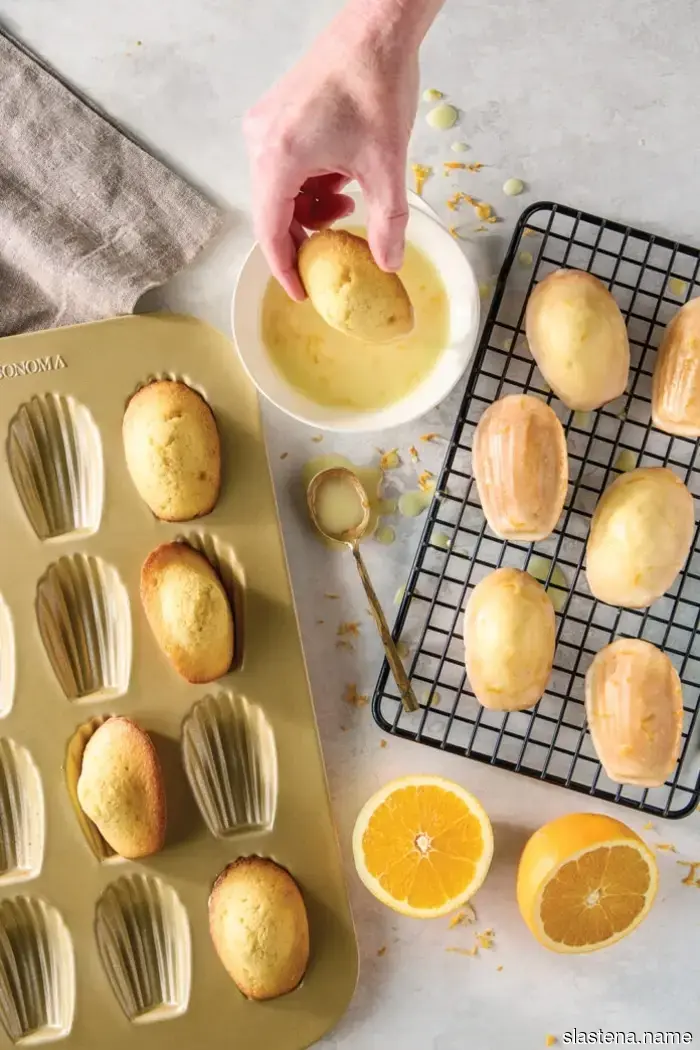 Orange Blossom Buttermilk Madeleines - Recipe from Bake from Scratch
Orange Blossom Buttermilk Madeleines
½ cup (113 grams) of unsalted butter
2 large eggs (100 grams), at room temperature
½ cup (100 grams) of granulated sugar
1 teaspoon of finely grated orange zest
½ teaspoon of kosher salt
1 tablespoon (15 grams) of buttermilk, at room temperature
1½ teaspoons (8 grams) of orange blossom water
1 teaspoon of vanilla bean paste
1 cup (125 grams) of all-purpose flour
1¼ teaspoons (6 grams) of baking powder
Crisp
Orange Blossom Buttermilk Madeleines - Recipe from Bake from Scratch
Orange Blossom Buttermilk Madeleines
½ cup (113 grams) of unsalted butter
2 large eggs (100 grams), at room temperature
½ cup (100 grams) of granulated sugar
1 teaspoon of finely grated orange zest
½ teaspoon of kosher salt
1 tablespoon (15 grams) of buttermilk, at room temperature
1½ teaspoons (8 grams) of orange blossom water
1 teaspoon of vanilla bean paste
1 cup (125 grams) of all-purpose flour
1¼ teaspoons (6 grams) of baking powder
Crisp
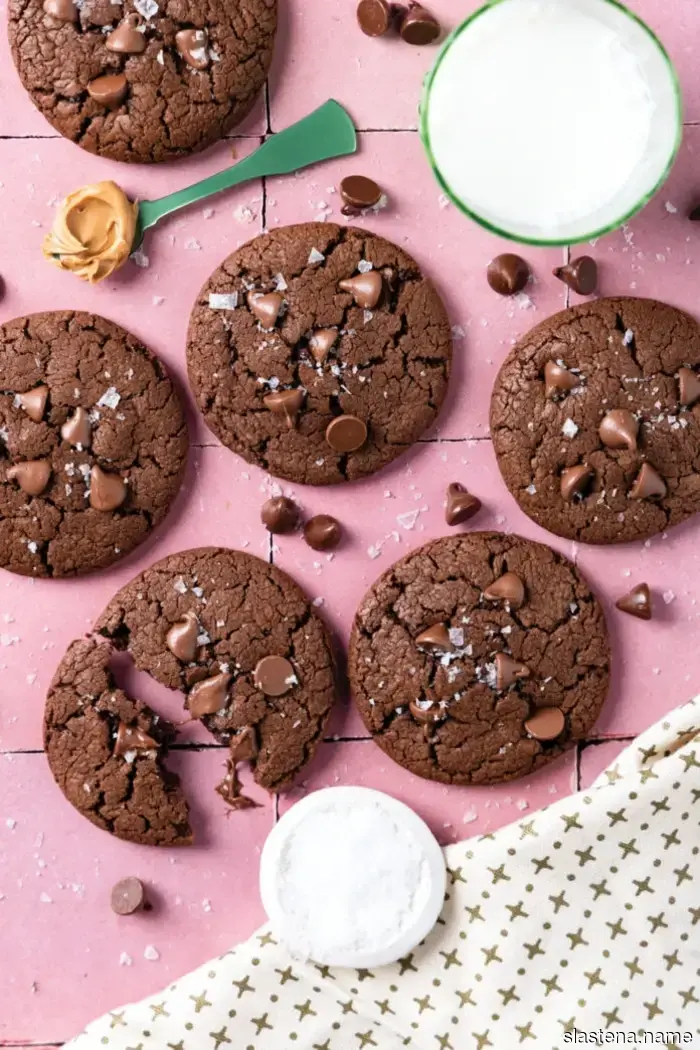 Salted Chocolate-Peanut Butter Crinkle Cookies - Recipe from Bake from Scratch
We mixed two types of chocolate with smooth peanut butter to form a distinctive dough, which is then adorned with gooey milk chocolate chips and a hint of flaked salt to elevate the cookie's sweetness.
Salted Chocolate-Peanut Butter Crinkle Cookies - Recipe from Bake from Scratch
We mixed two types of chocolate with smooth peanut butter to form a distinctive dough, which is then adorned with gooey milk chocolate chips and a hint of flaked salt to elevate the cookie's sweetness.
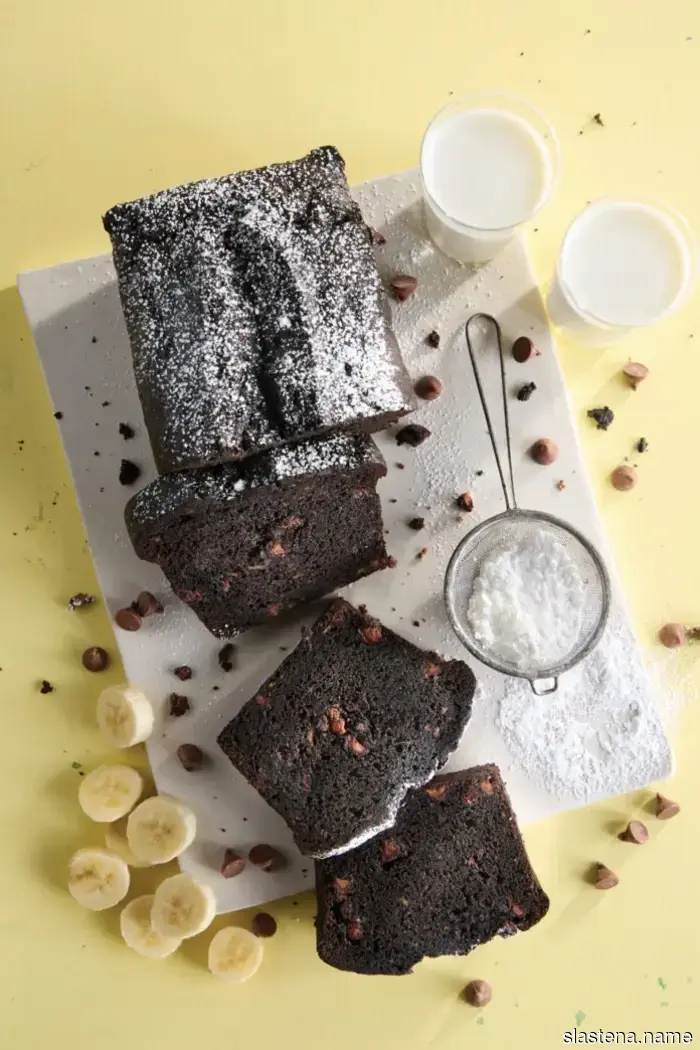 Black Cocoa Banana Bread - Recipe from Scratch
Black cocoa powder not only lends this banana bread a captivatingly dark hue, but it also imparts a profoundly rich, deep chocolate taste. A combination of brown sugar, vegetable oil, and sour cream guarantees that the crumb remains wonderfully moist. You’ll find yourself longing for another slice of this deliciously deep, dark bread long after it's finished.
Black Cocoa Banana Bread - Recipe from Scratch
Black cocoa powder not only lends this banana bread a captivatingly dark hue, but it also imparts a profoundly rich, deep chocolate taste. A combination of brown sugar, vegetable oil, and sour cream guarantees that the crumb remains wonderfully moist. You’ll find yourself longing for another slice of this deliciously deep, dark bread long after it's finished.
Breton Baking - Homemade from the Ground Up
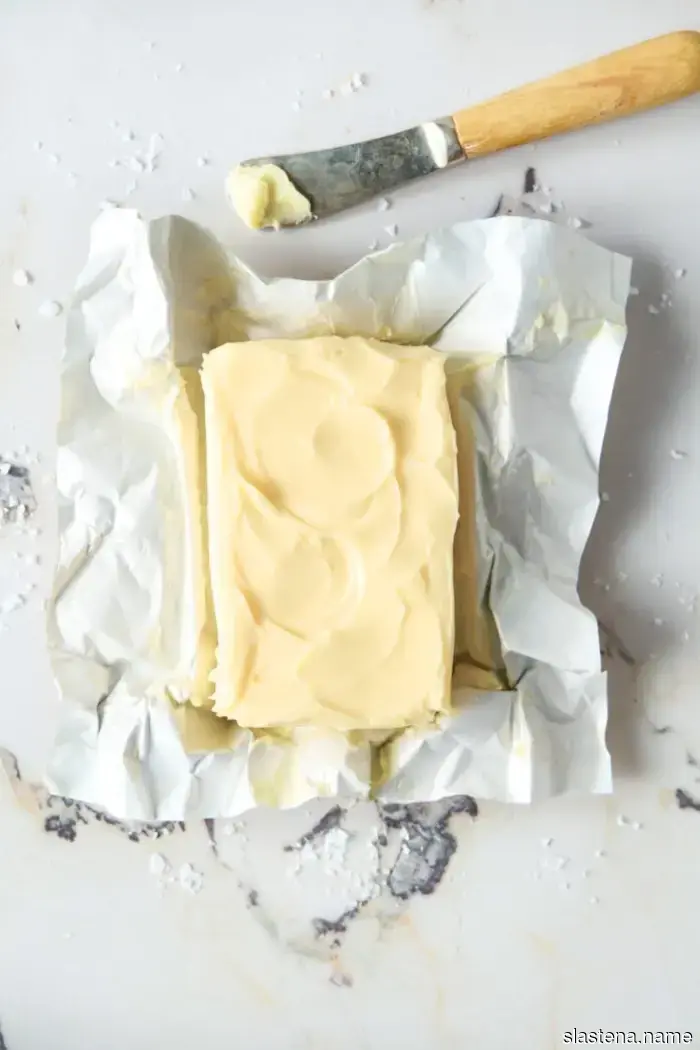
While we normally choose unsalted butter to manage the salt content in a recipe, we are more than willing to use salted butter for baking these Breton pastries.