
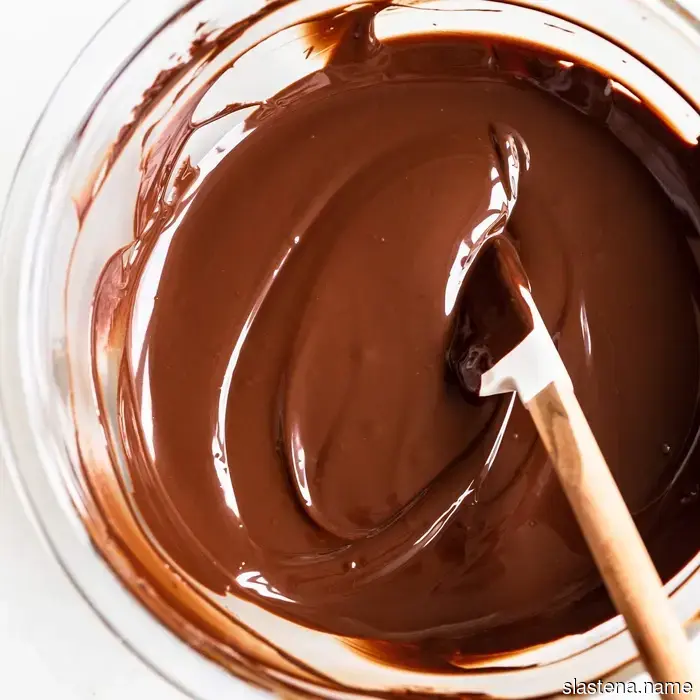
How to Temper Chocolate
Tessa Arias, Chef and Author of Cookbooks
This article may feature affiliate links. Please review our disclosure policy.
One of the earliest lessons we had in my baking class during culinary school was the technique of tempering chocolate.
I was incredibly eager to learn this skill since it had always seemed daunting to me.
It turns out, it's actually quite simple. All you need is some practice, accuracy, and a bit of patience.
Understanding how to temper chocolate is essential for achieving shiny, smooth chocolate that snaps when broken and maintains its firmness at room temperature (no refrigeration needed).
I’ll guide you through the precise temperatures, ideal chocolate choices, microwave and seeding techniques, as well as tips for correcting common mistakes to ensure your chocolate sets perfectly each time.
A Touch of Science
What does it mean to temper chocolate?
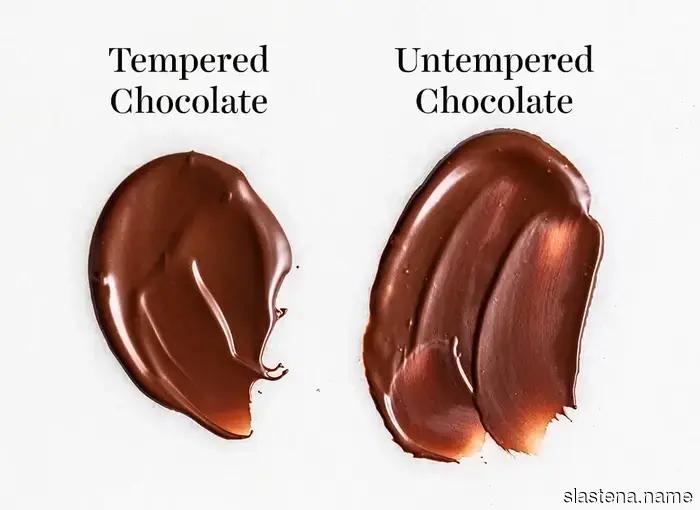
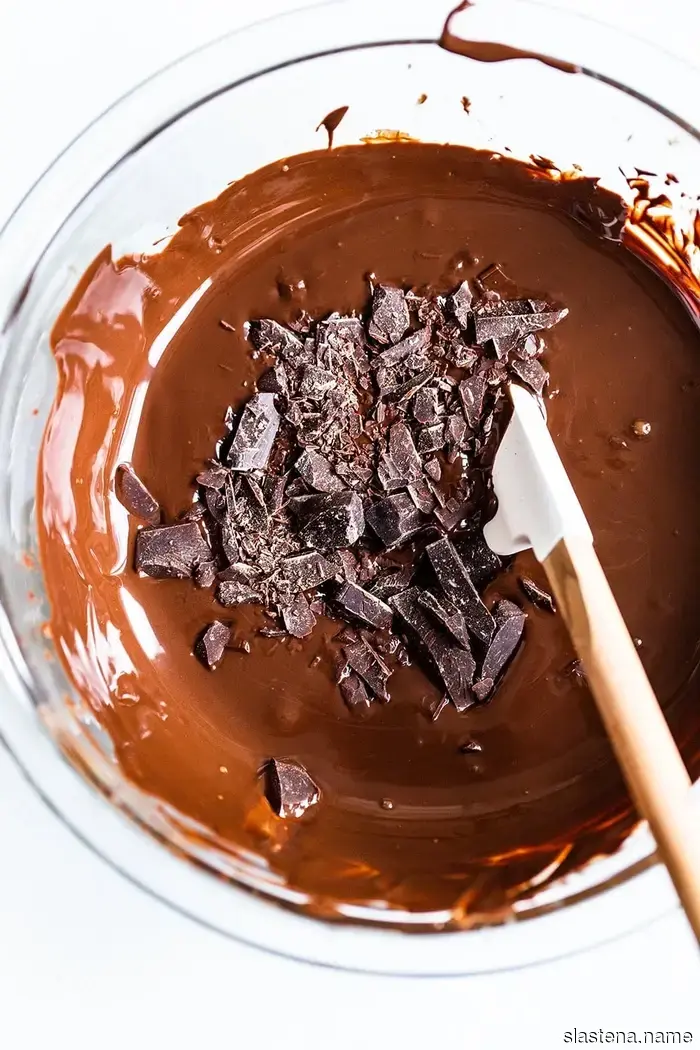
Tempering chocolate refers to the method of heating and cooling chocolate to specific temperatures to allow the cocoa butter to form stable crystals.
Well-tempered chocolate will:
- Firm up at room temperature
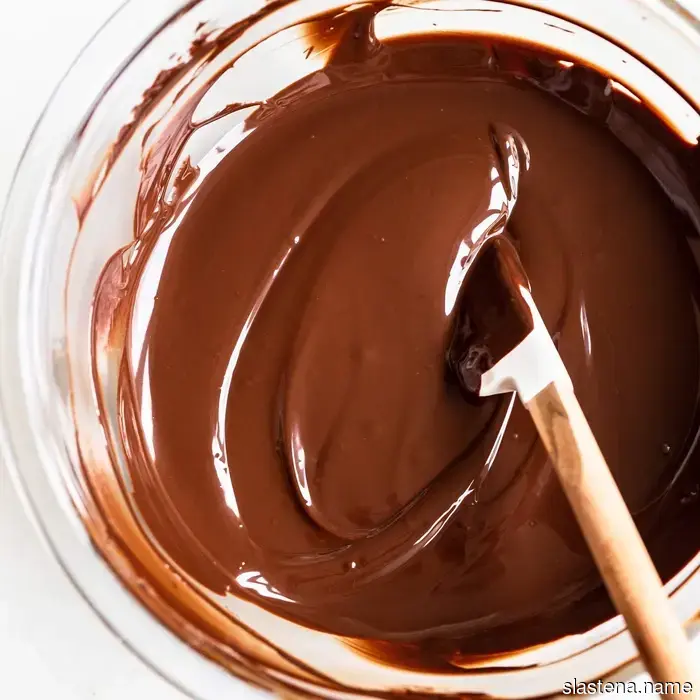
- Exhibit a shiny and smooth appearance
- Snap cleanly when broken
- Resist the formation of white streaks (fat bloom)
Without tempering, melted chocolate dries out looking dull, soft, and streaked — often necessitating refrigeration to keep it firm.
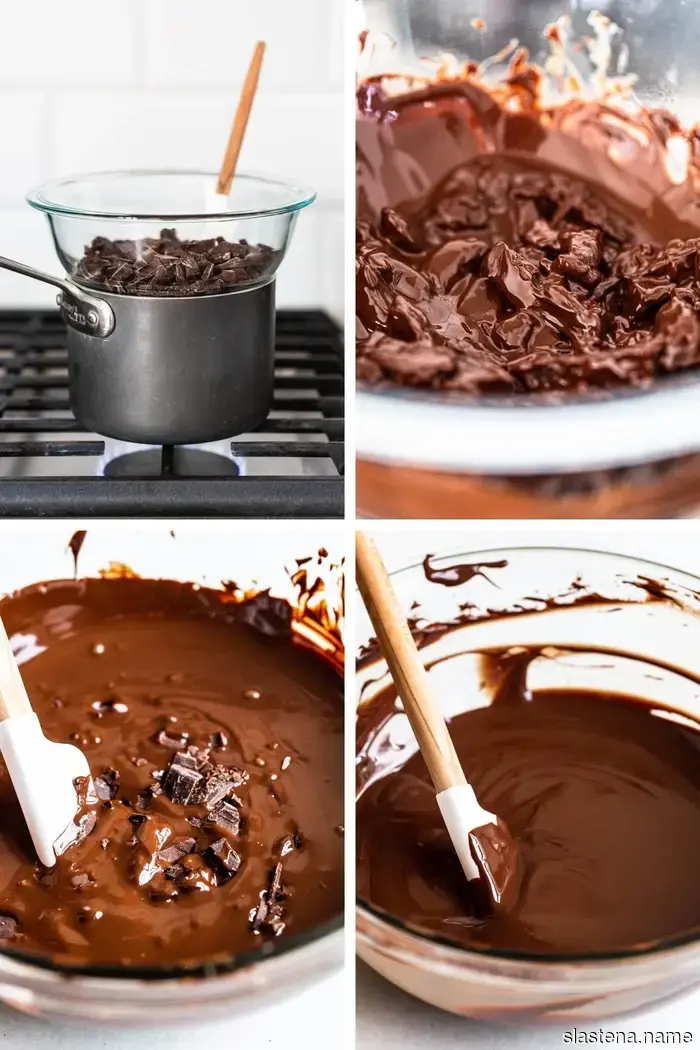
In the recipe card below, I’ve provided two techniques for tempering chocolate: stovetop and microwave.
When and Why to Temper Chocolate
If you are dipping strawberries or preparing homemade candies such as truffles or peanut butter cups, tempering will provide a professional finish without the need for stabilizers or refrigeration.
However, if you are simply incorporating chocolate into brownies, mousse, or ganache, tempering is unnecessary.
Two Essential Rules for Melting Chocolate
These principles apply whether you’re melting or tempering.
1. Avoid Overheating:
- Dark chocolate: never exceed 120°F
- Milk or white chocolate: never exceed 110°F
Excessive heat can spoil the flavor and hinder proper crystal formation.
2. Keep Water Away:
Even a single drop of water can cause chocolate to seize and become grainy.
If your recipe includes butter, liqueur, or coffee, melt them together with the chocolate — not afterward.
Best Chocolate for Tempering
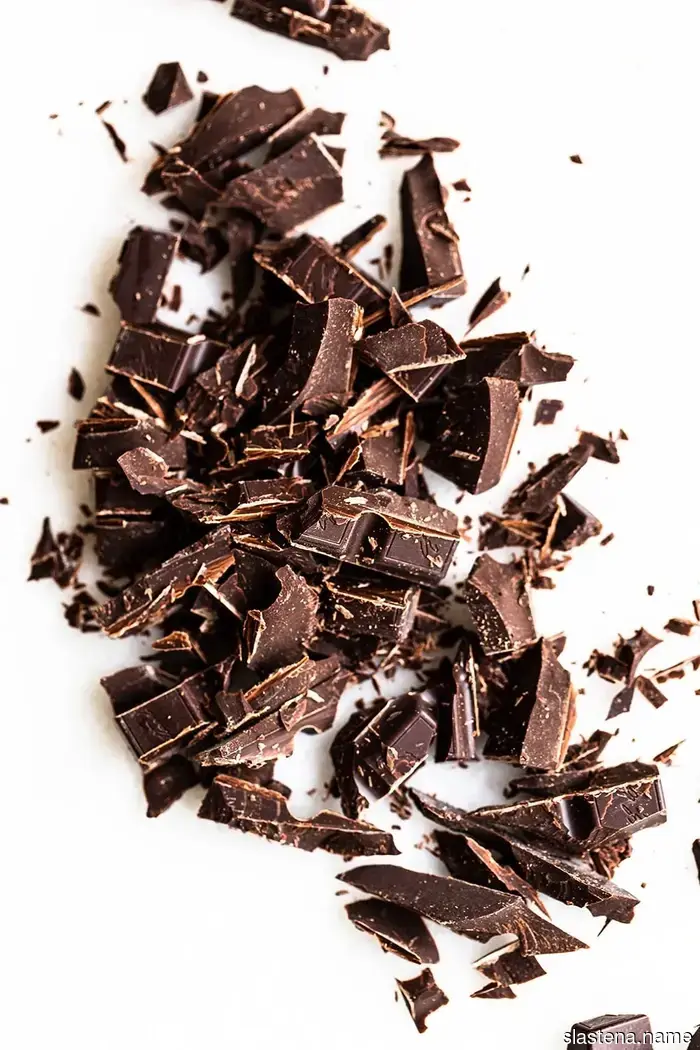
Best choice (no chopping needed):
Couverture wafers (like Guittard or Valrhona)
Avoid chocolate chips. They have stabilizers that help retain their shape, which disrupts smooth tempering. For a comprehensive overview, refer to my Chocolate in Baking Guide.
Do you need a thermometer?
Yes. I highly recommend using one.
Tempering relies on precise temperature control. Estimating can increase your chances of failure — and chocolate isn’t inexpensive.
A digital instant-read thermometer is ideal.
Tips for Baking Success
- Temper at least 16 ounces.
- Finely chop the chocolate for even melting.
- Preferably avoid glass bowls, as they retain heat longer.
- Work in a cool, low-humidity environment.
- If the chocolate thickens too much, gently rewarm it to a working temperature.
- If the temperature rises too high, incorporate more chopped chocolate.
- Only refrigerate finished dipped items if absolutely necessary.
Storage and Make-Ahead
Tempered chocolate can be reheated and re-tempered multiple times.
Store tempered chocolate creations at cool room temperature in a dark, dry spot. Do not refrigerate unless absolutely needed.
FAQs
How does tempering chocolate work? Tempering involves managing the melting, cooling, and reheating of chocolate within defined temperature ranges specific to the type of chocolate being used. The objective is to develop and maintain Form V crystals, which are one of the six cocoa butter crystal types. This stable fat crystal contributes to the desirable textures of high-quality chocolate treats. Properly managing the development of Form V crystals is also vital to prevent the unwanted white, chalky look that can occur due to recrystallization.
What is a double boiler? A double boiler consists of a heatproof bowl placed over a saucepan filled with about an inch of simmering water. Make sure the bowl on top does not make contact with the water. This setup allows chocolate to melt gently through the heat. Metal or glass bowls can be used for the top part; however, note that glass takes longer to cool when tempering.
Can you temper chocolate chips? I do not recommend it. Chocolate chips have added ingredients to help them maintain their shape and contain a lower concentration of cocoa butter, which can interfere with smooth tempering.
Can seized chocolate be salvaged? Yes, but it can’t be tempered. To fix seized chocolate, counterintuitively stir in a small amount of melted butter, oil, or water back into the mixture. The reconstituted melted chocolate should be used only for sauces or beverages, not for tempering.
Why is my tempered chocolate streaky? Streaks typically indicate that the chocolate was not fully


Other articles
 How to Temper Chocolate
Discover the art of achieving perfect chocolate tempering every time. This guide covers temperature guidelines, microwave and seeding techniques, troubleshooting tips, and helpful scientific insights.
How to Temper Chocolate
Discover the art of achieving perfect chocolate tempering every time. This guide covers temperature guidelines, microwave and seeding techniques, troubleshooting tips, and helpful scientific insights.
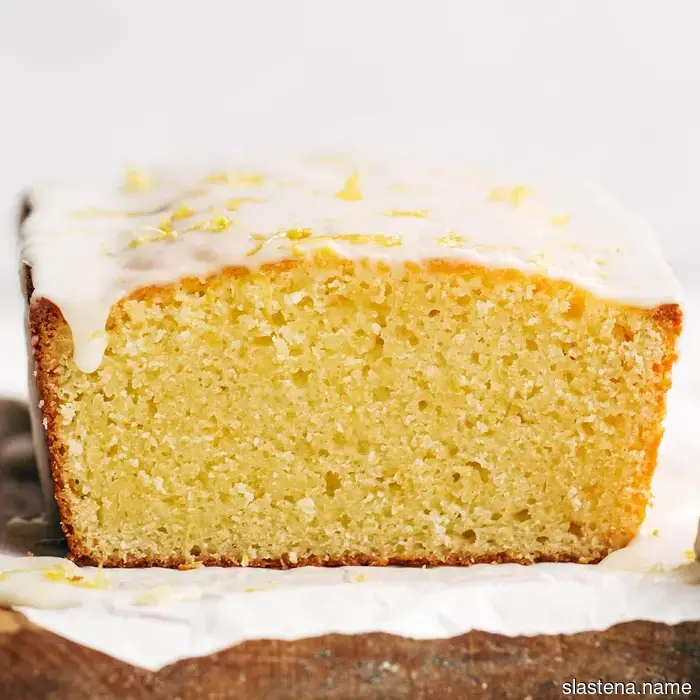 Lemon Pound Cake Loaf
This incredibly buttery lemon loaf is filled with vibrant citrus flavor and finished off with a rich glaze. It's even better than what you find at Starbucks and is simple to prepare!
Lemon Pound Cake Loaf
This incredibly buttery lemon loaf is filled with vibrant citrus flavor and finished off with a rich glaze. It's even better than what you find at Starbucks and is simple to prepare!
 Salted Honey Butter Buns
These Salted Honey Butter Rolls are extremely soft, airy, and just the right balance of sweet and salty. My family went absolutely crazy for them during Thanksgiving. All 30 rolls disappeared in roughly 10 minutes!
Salted Honey Butter Buns
These Salted Honey Butter Rolls are extremely soft, airy, and just the right balance of sweet and salty. My family went absolutely crazy for them during Thanksgiving. All 30 rolls disappeared in roughly 10 minutes!
 Salted Honey Butter Buns
These Salted Honey Butter Rolls are remarkably soft, fluffy, and have the perfect balance of sweetness and saltiness. My family absolutely loved them on Thanksgiving. We finished all 30 rolls in just around 10 minutes!
Salted Honey Butter Buns
These Salted Honey Butter Rolls are remarkably soft, fluffy, and have the perfect balance of sweetness and saltiness. My family absolutely loved them on Thanksgiving. We finished all 30 rolls in just around 10 minutes!
How to Temper Chocolate
Discover the art of perfect chocolate tempering every time. This guide covers temperatures, both microwave and seeding techniques, troubleshooting advice, and scientific insights.