
Sawako's Tokyo Kitchen - Baking Made from Scratch
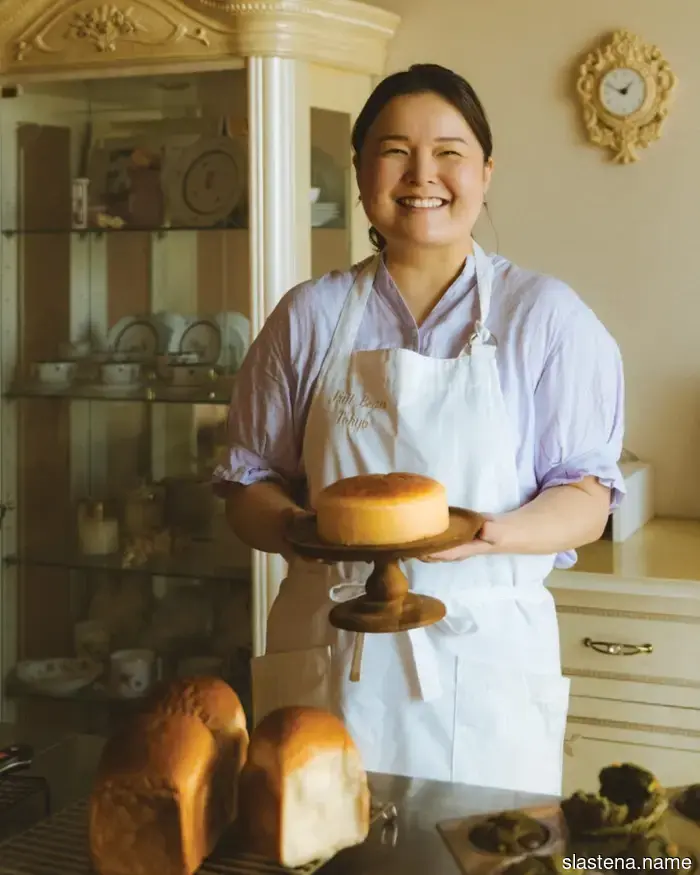
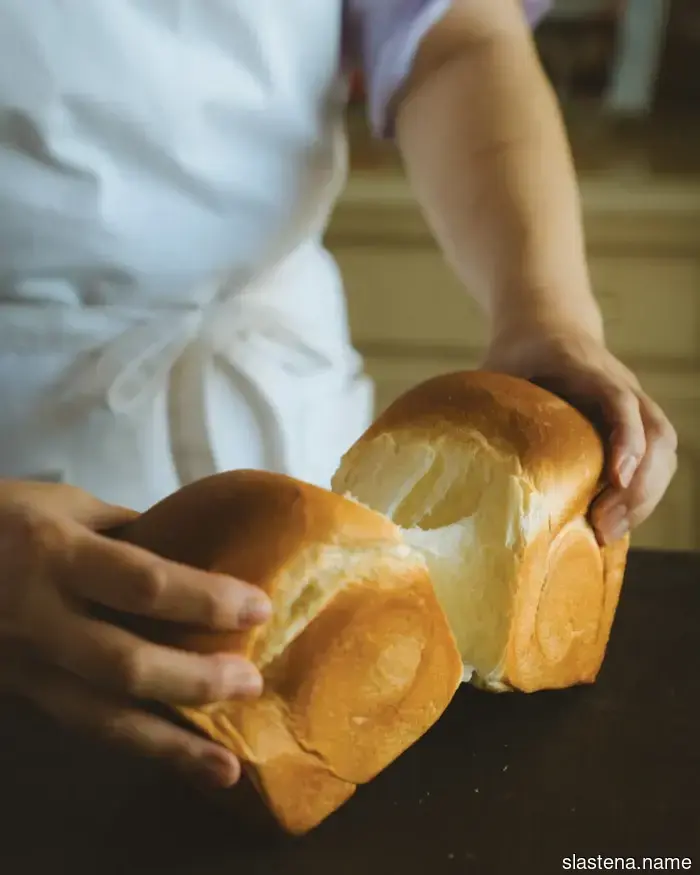
In this context, rhythm is gauged by attention: a roll cake shaped into smooth spirals, melonpan featuring its intricately scored crust, and milk bread so light that it disintegrates at a touch. Sawako’s guidance is demanding yet always gentle. “Baking should bring joy to people,” she states. “I believe that delightful sweets need not be intricate. What truly counts is the warmth, care, and a heartfelt sense of beauty.”
Her journey in baking started in her mother’s kitchen. “As a child, my mother would make homemade treats for me—graceful French pastries, Japanese sweets, and freshly baked bread,” she reminisces. “Though she wasn’t a professional, her creations matched the beauty of any patissier’s offerings. Watching her cook filled me with admiration, and she was my very first inspiration.”
Years later, after studying in London and Paris, Sawako returned to Tokyo with a wish that felt both simple and profound. “I wanted to establish a space in Tokyo where people from various nations could come together, bake, and experience Japan through sweets,” she shares. “That marked the inception of Fait Beau Tokyo.”
She began on a small scale—“just a few friends in my home kitchen,” she recalls—but news spread quickly. “With the growth of the internet and social media, more people from around the world discovered my classes. Soon, students from numerous countries were traveling to Tokyo to bake together—something I never thought possible at the outset.”
Her classes showcase the essence of Japanese baking in what it adopts and what it enhances: the fluffy chiffon of shortcake, the delicacy of a cotton cheesecake, and the light texture of Hokkaido-style milk bread. On the countertop, a roll cake cools beneath a sheet of baking paper, as pale as silk. “When they take the first bite and exclaim, ‘It’s so soft! I’ve never had anything like this!’—that moment brings me genuine happiness,” Sawako expresses. “Seeing their delight reminds me why I enjoy teaching these Japanese baked goods.”
Her classes are intentionally small—what she describes as human-scaled. “The one-day group lesson features three different themes, each encompassing two recipes,” she clarifies. “These are crafted so that even those who aren’t deeply interested in baking—like friends or family visiting together—can enjoy them.”
She adds, “The private lesson allows you to select the sweets or breads you wish to learn to make and have a tailored class. Some students come alone, while others arrive in pairs. This course appeals to those seeking a more serious learning experience, and it’s actually the most popular offering at my school.”
Additionally, there’s the Master Course, a four-day intensive program that includes 16 recipes and an introduction to Japanese flour and tea culture. “While it’s not a private course, it accommodates a maximum of two participants,” she explains. “Most students who enroll in this course either currently run a business or aspire to open their own shop someday.”
For Sawako, teaching is about balancing precision with kindness. “My recipes are rigorously tested, and I always strive to provide clear, step-by-step instructions and guidance, even for beginners,” she notes. “At the same time, I love when students incorporate their own ideas—such as using fruits from their homeland or adding a personal touch to a decoration. I always advise them, ‘Master the basics first. Once you grasp the foundation, you can start experimenting.’”
Her teaching has started to make an impact beyond Japan. Just before the COVID-19 pandemic, a beginner named Noelia Tomoshige came from Spain, working in fashion but dreaming of baking. Sawako guided her through the four-day Master Course and then urged her to study at Le Cordon Bleu for the essential fundamentals. “Even during the pandemic, she pursued her education with determination and eventually opened her own shop,” Sawako shares. “Today, she stands as one of the most renowned pastry chefs in Madrid. While her success is due to her own dedication, I am honored to have been her first teacher—the one who helped her take her first steps into the pastry world.”
Sawako’s studio in Shibuya attracts students from all corners of the globe. “Nowadays, I have students from various countries—from Europe, the US, Australia, Asia, and even South America,” she states. “Many come to Tokyo specifically to attend the class, which continues to astonish me.”
Sawako’s philosophy is distinctly Japanese, not for its ingredients but for its spirit. Precision here signifies care; hospitality is evident in the details. She instructs students to neatly trim parchment paper, not as a performance but to ensure that neatness prevents drag in delicate batters. She takes her time when arranging fruit, showcasing the patience reminiscent of ikebana. “Many of my students travel
Other articles
 Classic Lemon Bars - Bake from Scratch
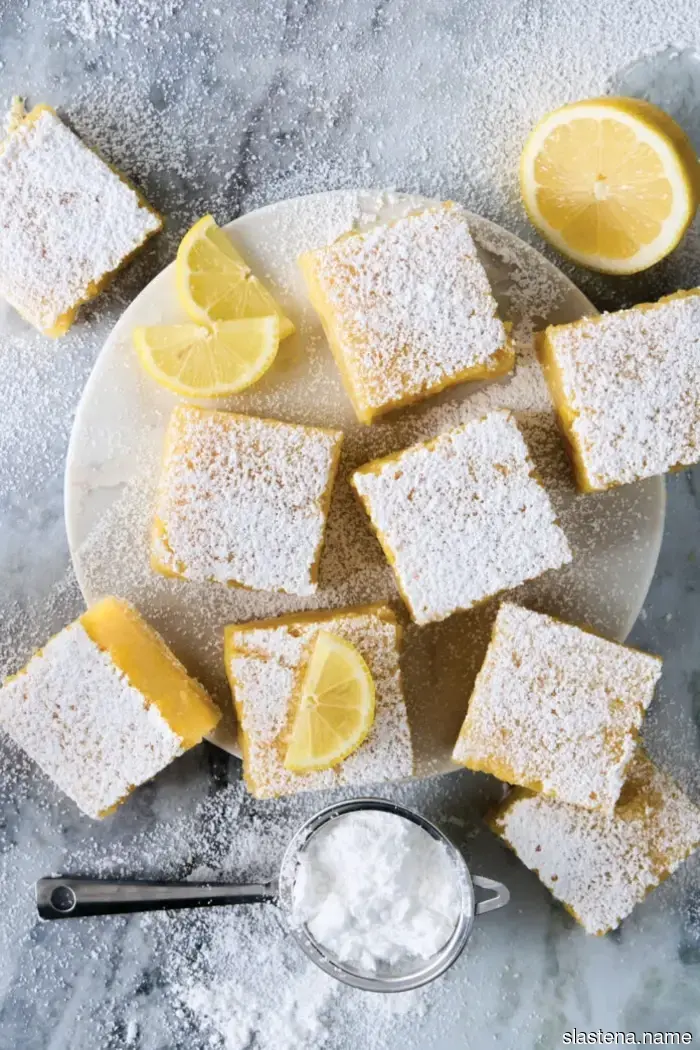
Lemons are at their best during winter, as the combination of sunny days and chilly nights enhances the flavor and color of citrus fruits. Meyer lemons can also be utilized in these lemon bars without any adjustments to the measurements. Classic Lemon Bars Crust: 1½ cups (188 grams) all-purpose flour, ⅓ cup (40 grams) powdered sugar, ½ teaspoon
Classic Lemon Bars - Bake from Scratch
Lemons are at their best during winter, as the combination of sunny days and chilly nights enhances the flavor and color of citrus fruits. Meyer lemons can also be utilized in these lemon bars without any adjustments to the measurements. Classic Lemon Bars Crust: 1½ cups (188 grams) all-purpose flour, ⅓ cup (40 grams) powdered sugar, ½ teaspoon
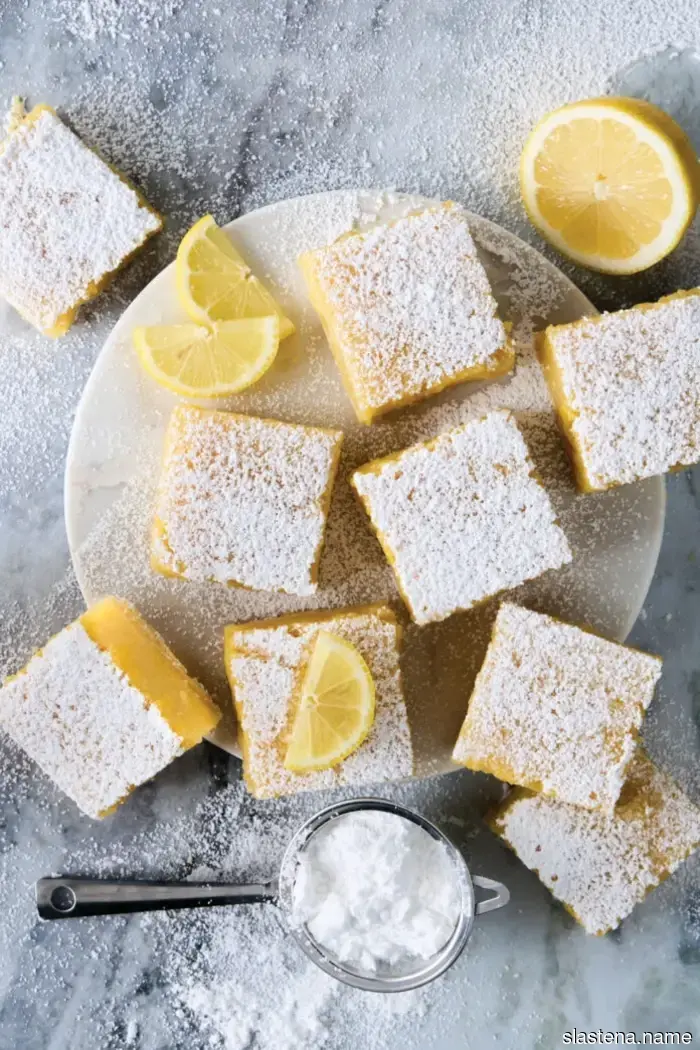 Classic Lemon Bars - Bake from Scratch
Lemons reach their highest quality in winter, as the combination of sunny days and cool nights fosters the optimal environment that enhances the color and flavor of citrus fruits. Meyer lemons can also be used in these lemon bars without requiring any changes to the ingredient amounts. Classic Lemon Bars Crust: 1½ cups (188 grams) all-purpose flour, ⅓ cup (40 grams) confectioners' sugar, ½ teaspoon
Classic Lemon Bars - Bake from Scratch
Lemons reach their highest quality in winter, as the combination of sunny days and cool nights fosters the optimal environment that enhances the color and flavor of citrus fruits. Meyer lemons can also be used in these lemon bars without requiring any changes to the ingredient amounts. Classic Lemon Bars Crust: 1½ cups (188 grams) all-purpose flour, ⅓ cup (40 grams) confectioners' sugar, ½ teaspoon
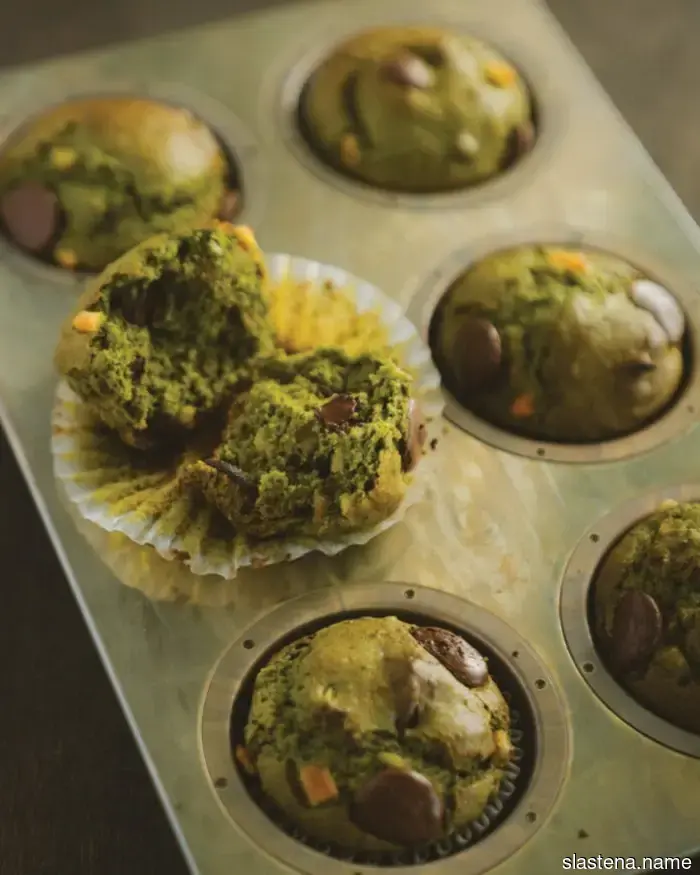 Matcha Muffins - Bake From Scratch
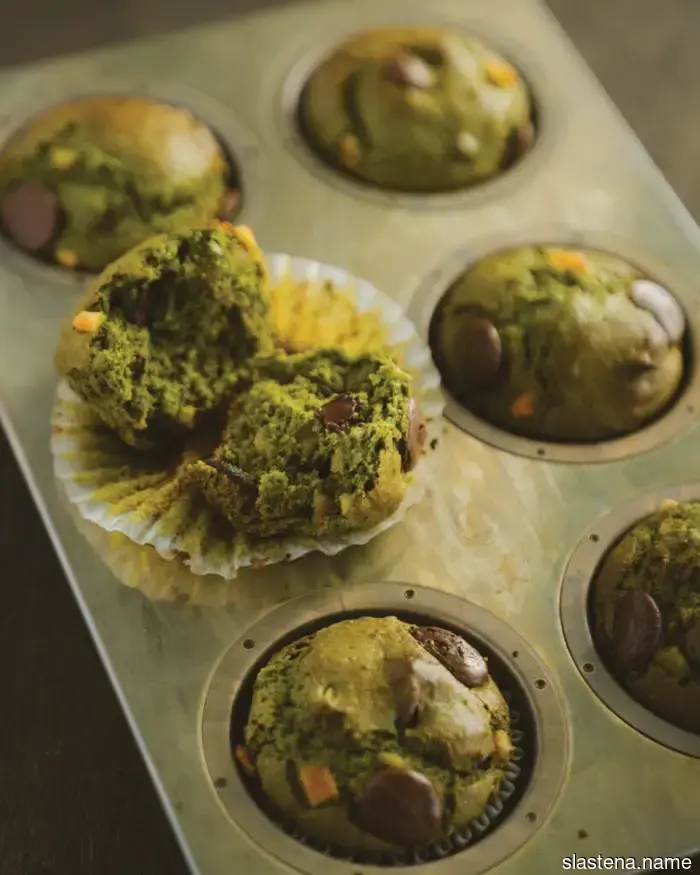
Recipe by Sawako, Fait Beau Tokyo Matcha imparts a fresh, grassy brightness to these soft muffins, complemented by candied orange peel and melted chocolate pockets. The batter is mixed in stages to ensure a light crumb, and a quick temperature change aids in achieving a tall rise before they settle. They are straightforward, elegant, and bursting with flavor. Matcha
Matcha Muffins - Bake From Scratch
Recipe by Sawako, Fait Beau Tokyo Matcha imparts a fresh, grassy brightness to these soft muffins, complemented by candied orange peel and melted chocolate pockets. The batter is mixed in stages to ensure a light crumb, and a quick temperature change aids in achieving a tall rise before they settle. They are straightforward, elegant, and bursting with flavor. Matcha
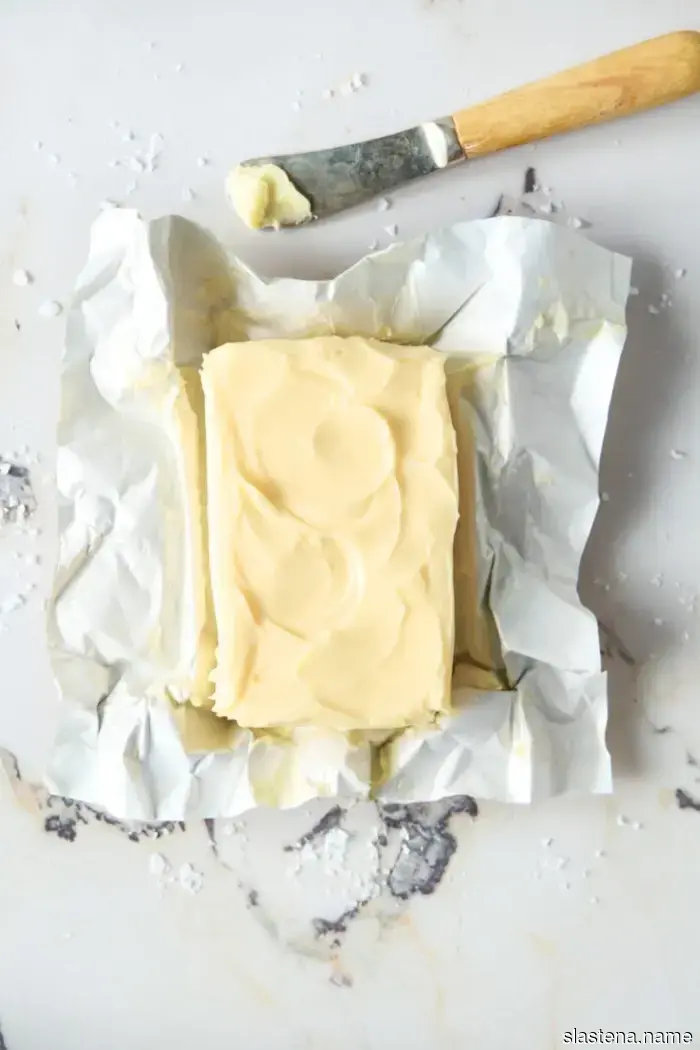 Breton Baking - Prepare From Scratch
While we usually opt for unsalted butter to manage the salt levels in a recipe, we’re more than willing to use salted butter for making these Breton pastries.
Breton Baking - Prepare From Scratch
While we usually opt for unsalted butter to manage the salt levels in a recipe, we’re more than willing to use salted butter for making these Breton pastries.
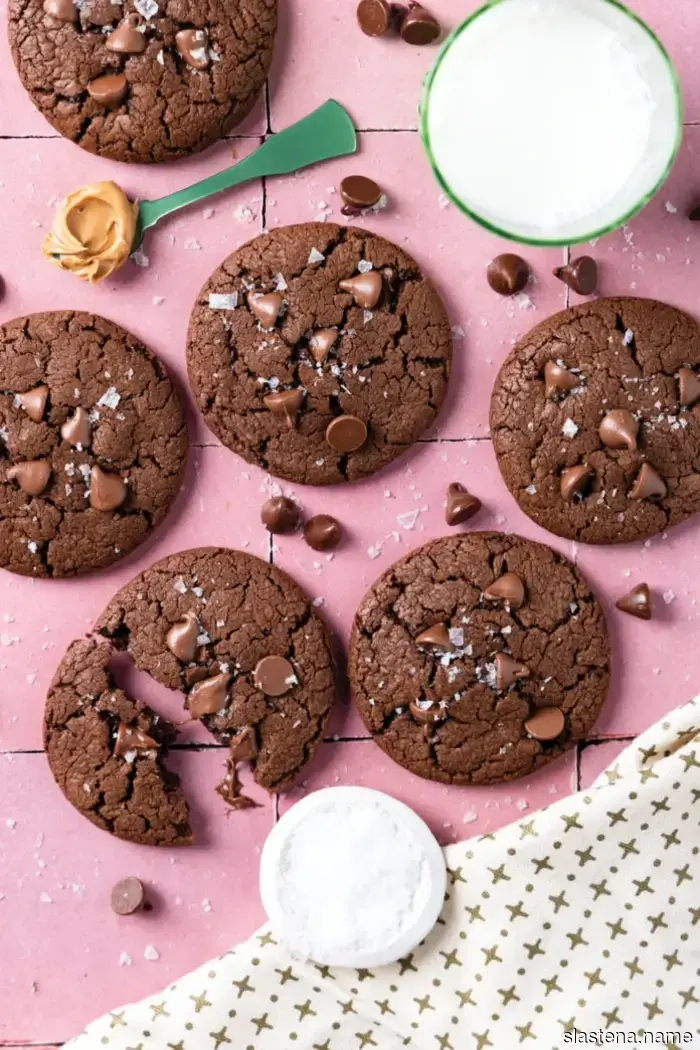 Salted Chocolate-Peanut Butter Crinkle Cookies - Bake from Scratch
We mixed two types of chocolate with smooth peanut butter to form a distinctive dough, which is finished with melted milk chocolate chips and a dash of flaked salt to elevate the cookie's sweetness.
Salted Chocolate-Peanut Butter Crinkle Cookies - Bake from Scratch
We mixed two types of chocolate with smooth peanut butter to form a distinctive dough, which is finished with melted milk chocolate chips and a dash of flaked salt to elevate the cookie's sweetness.
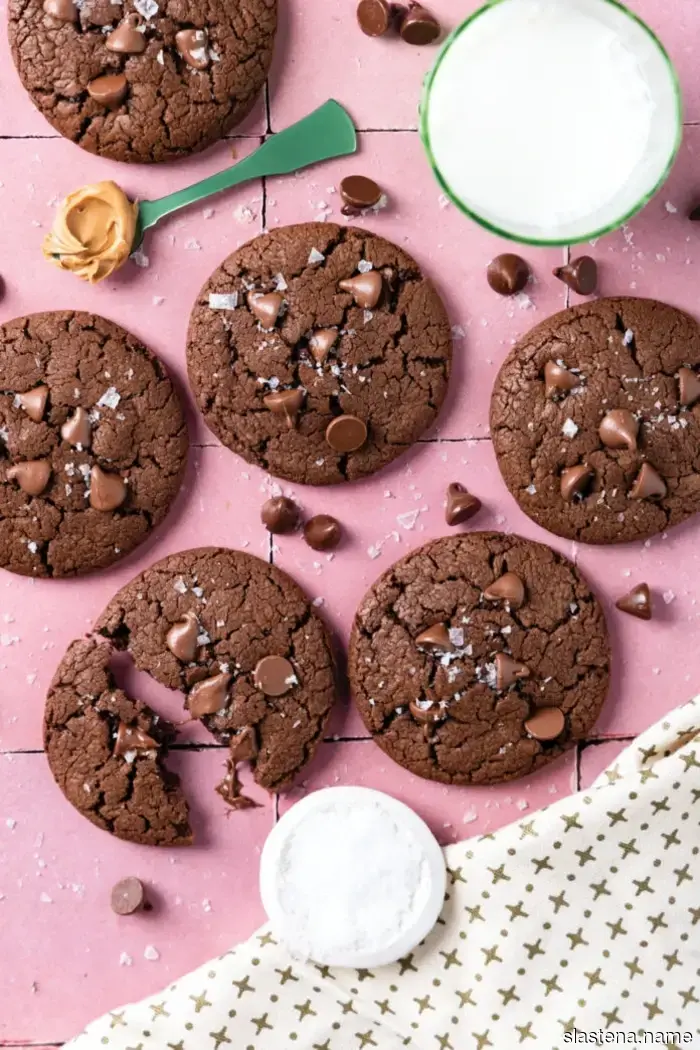 Salted Chocolate-Peanut Butter Crinkle Cookies - A Recipe from Scratch
We mixed two types of chocolate with smooth peanut butter to form a distinctive dough, which is then finished with gooey milk chocolate chips and a dash of flaked salt to amplify the cookie's sweetness.
Salted Chocolate-Peanut Butter Crinkle Cookies - A Recipe from Scratch
We mixed two types of chocolate with smooth peanut butter to form a distinctive dough, which is then finished with gooey milk chocolate chips and a dash of flaked salt to amplify the cookie's sweetness.
Sawako's Tokyo Kitchen - Baking Made from Scratch
By Amber Wilson Photography by Joann Pai On a weekday morning in Tokyo's Shibuya ward, the doors of a studio kitchen swing open to reveal butter and steam. The kitchen is simple yet pristine: bowls are neatly stacked, offset spatulas and pastry brushes are arranged with careful intention, and parchment sheets are cut into perfect rectangles. The atmosphere is quick but relaxed,