
Sawako's Tokyo Kitchen - Baking from the Ground Up
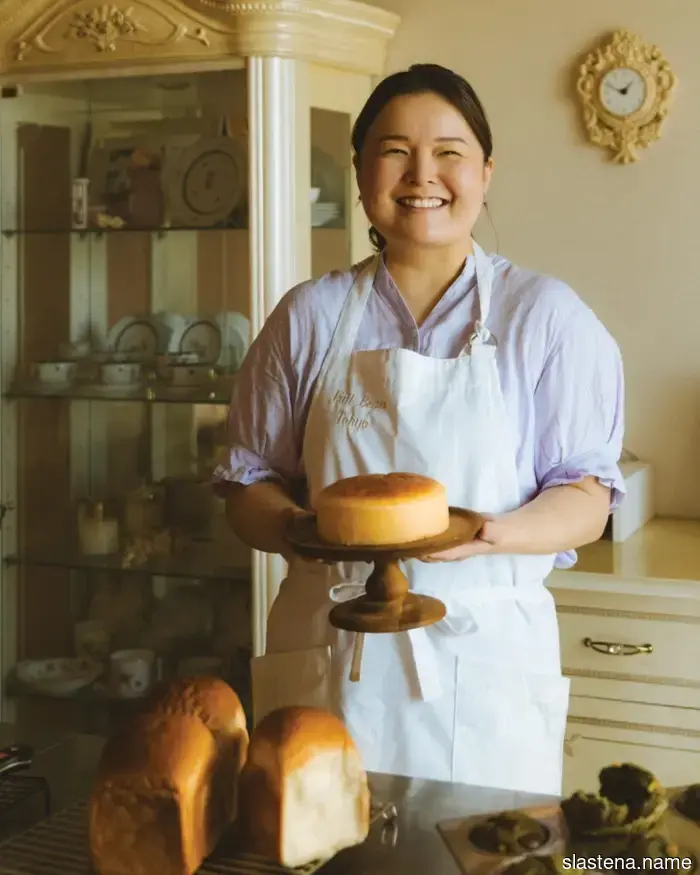
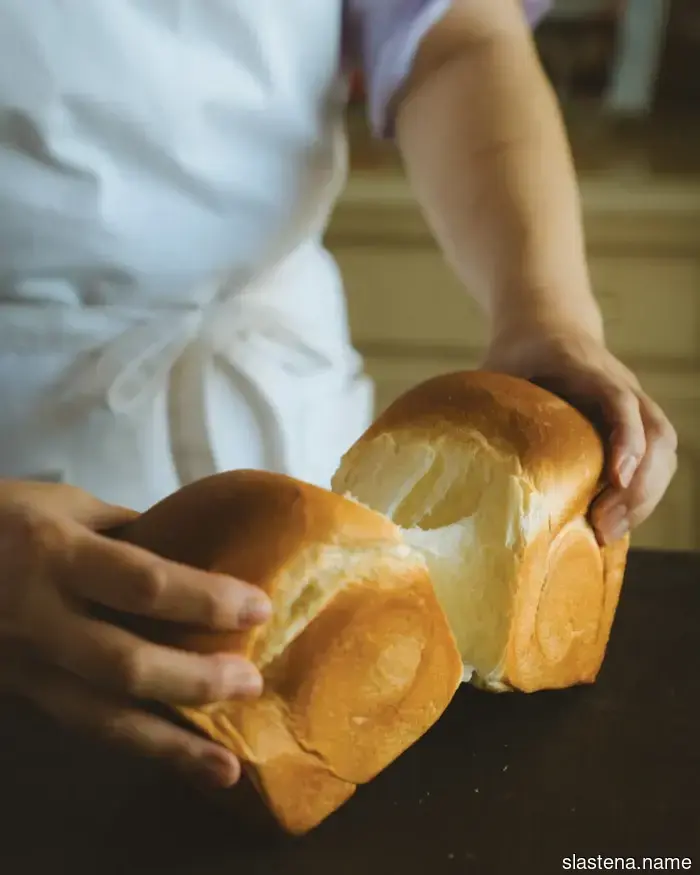
Here, rhythm is determined by attention: a roll cake masterfully formed into smooth spirals, melonpan with its artfully scored crust, milk bread so light that it pulls apart with a gentle touch. Sawako's guidance is meticulous yet never harsh. "Baking should bring joy," she states. "I believe that delightful treats don’t need to be intricate. What truly matters is warmth, care, and a beauty that springs from the heart."
Her baking journey began in her mother's kitchen. "As a child, my mother would make homemade sweets for me—refined French pastries, Japanese treats, and even freshly baked bread," she reminisces. "Though she wasn't a professional, her creations were as stunning as those of any pastry chef. Watching her cook filled me with admiration, and she was the very first person to inspire me."
Years later, after studying in London and Paris, Sawako returned to Tokyo with a goal that was both simple and meaningful. "I wanted to create a space in Tokyo where people from various countries could come together, bake, and experience Japan through sweets," she says. "That was how Fait Beau Tokyo began."
She started humbly—“a few friends in my home kitchen,” she recalls—but news spread quickly. "With the growth of the internet and social media, more individuals from around the world found out about my classes. Soon, students from various countries were coming to Tokyo to bake together—something I could have never envisioned at the start."
Her classes embody Japanese influences, both in what they borrow and refine: the puffy chiffon of shortcake, the wobble of a cotton cheesecake, the soft texture of Hokkaido-style milk bread. On the counter, a roll cake cools beneath a sheet of baking paper, as pale as silk. "When they take their first bite and say, ‘It’s so soft! I’ve never tasted anything like this!’—that moment fills me with true happiness," Sawako shares. "Witnessing their joy is a reminder of why I love teaching these Japanese-style baked goods."
Her classes are intentionally small—what she refers to as human-scaled. "The one-day group lesson offers three different themes, each with two recipes," she clarifies. "These are crafted so that even those who aren’t particularly interested in baking—like friends or family visiting together—can enjoy them."
She adds, "The private lesson lets you select the sweets or breads you wish to learn and receive a tailored experience. Some students join individually, while others come in pairs. This course tends to attract those who want to delve deeper, and it has become the most popular program at my school."
Then there is the Master Course, a four-day intensive experience that covers 16 recipes, along with an introduction to Japanese flour and tea culture. "While it’s not a private course, it is limited to a maximum of two participants," she mentions. "Most students in this course either own a business or aspire to open their own shop one day."
For Sawako, teaching is a balance of precision and kindness. "My recipes are tested extensively, and I always strive to provide clear, step-by-step instructions and tips, even for beginners," she explains. "At the same time, I cherish when students introduce their ideas—like using fruits from their home country or adding their personal flair to decorations. I always advise them, ‘Learn the basics first. Once you grasp the foundation, you can start to experiment.’"
Her influence is already beginning to extend beyond her studio. Just before the COVID-19 pandemic, a beginner named Noelia Tomoshige arrived from Spain, who was working in fashion but dreaming of becoming a pastry chef. Sawako guided her through the four-day Master Course and encouraged her to attend Le Cordon Bleu for essential fundamentals. "Even during the pandemic, she pursued her studies with determination and eventually opened her own shop," Sawako says. "Today, she is among the most renowned pastry chefs in Madrid. While all her success stems from her hard work, I feel privileged to have been her first teacher—the one who helped her take her very first step into the pastry world."
Sawako’s studio in Shibuya attracts students from all corners of the globe. "Nowadays, I have students from various regions—from Europe, the US, Australia, Asia, and even South America," she notes. "Many of them travel to Tokyo solely for the classes, which continues to amaze me."
Sawako’s philosophy draws on Japanese traditions, not just in ingredients but in attitude. Precision here signifies care; hospitality resides in the details. She asks students to trim parchment neatly, not for show but because neatness ensures smoother handling of delicate batters. She takes her time with fruit placement, exhibiting the patience of an ikebana arranger. "Many of my students come from abroad and may only have one opportunity to bake the recipe," she explains. "Thus
Other articles
 Matcha Muffins - Bake From Scratch
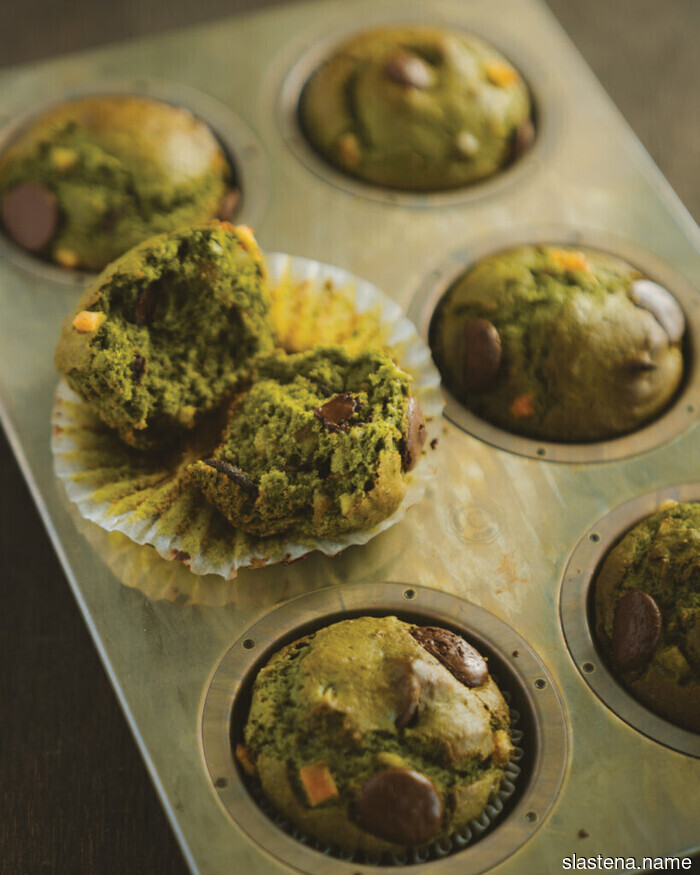
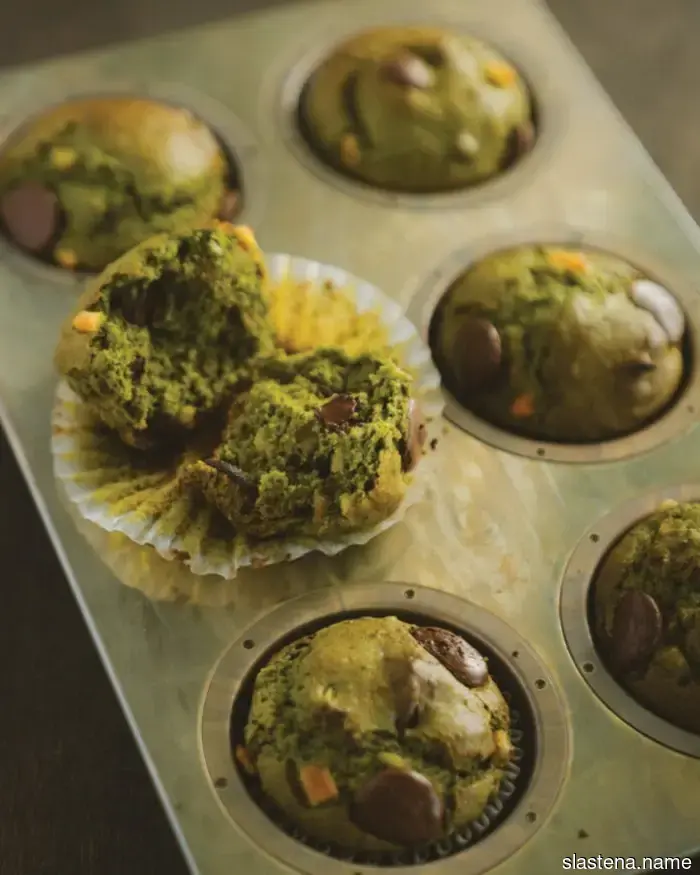
Recipe by Sawako, Fait Beau Tokyo Matcha imparts a fresh, grassy brightness to these soft muffins, complemented by candied orange peel and melted chocolate pockets. The batter is mixed in stages to ensure a light crumb, and a quick temperature change aids in achieving a tall rise before they settle. They are straightforward, elegant, and bursting with flavor. Matcha
Matcha Muffins - Bake From Scratch
Recipe by Sawako, Fait Beau Tokyo Matcha imparts a fresh, grassy brightness to these soft muffins, complemented by candied orange peel and melted chocolate pockets. The batter is mixed in stages to ensure a light crumb, and a quick temperature change aids in achieving a tall rise before they settle. They are straightforward, elegant, and bursting with flavor. Matcha
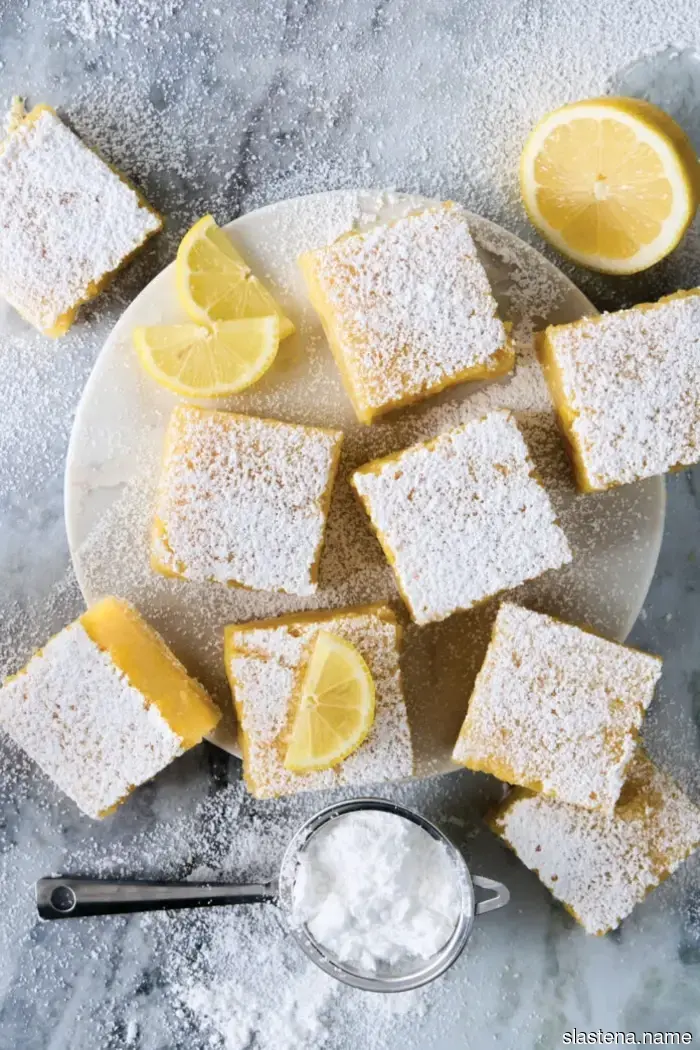 Classic Lemon Bars - Bake from Scratch
Lemons are at their best during winter, as the combination of sunny days and chilly nights enhances the flavor and color of citrus fruits. Meyer lemons can also be utilized in these lemon bars without any adjustments to the measurements. Classic Lemon Bars Crust: 1½ cups (188 grams) all-purpose flour, ⅓ cup (40 grams) powdered sugar, ½ teaspoon
Classic Lemon Bars - Bake from Scratch
Lemons are at their best during winter, as the combination of sunny days and chilly nights enhances the flavor and color of citrus fruits. Meyer lemons can also be utilized in these lemon bars without any adjustments to the measurements. Classic Lemon Bars Crust: 1½ cups (188 grams) all-purpose flour, ⅓ cup (40 grams) powdered sugar, ½ teaspoon
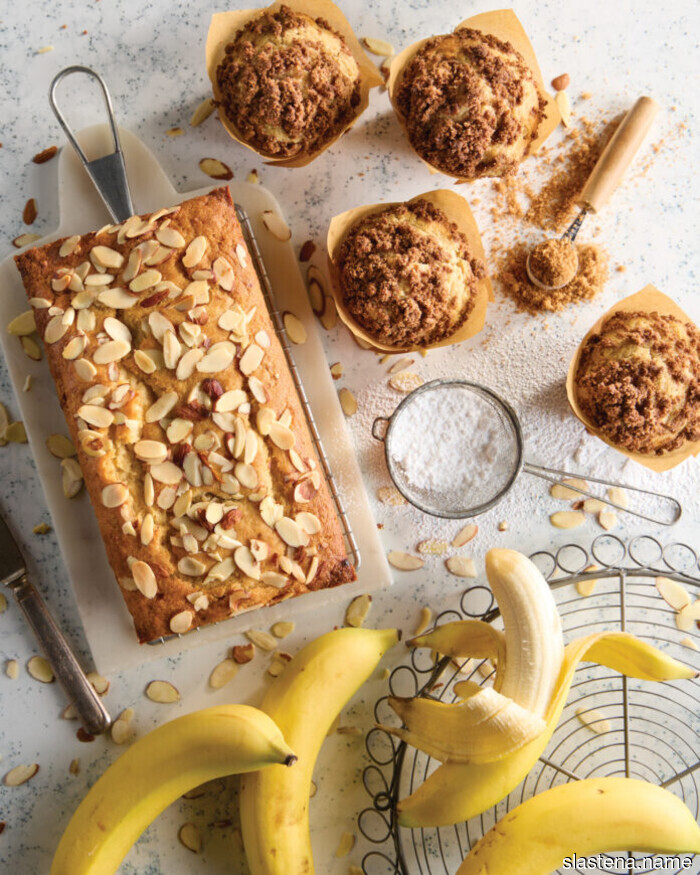 5 Variations of Banana Bread - Bake from Scratch
Take out your muffin tins and loaf pans for these wonderfully delicious banana breads. Featuring Black Cocoa Banana Bread, Banana Bread Coffee Cake Muffins, and additional varieties, you’re bound to enjoy these five new spins on a classic favorite.
5 Variations of Banana Bread - Bake from Scratch
Take out your muffin tins and loaf pans for these wonderfully delicious banana breads. Featuring Black Cocoa Banana Bread, Banana Bread Coffee Cake Muffins, and additional varieties, you’re bound to enjoy these five new spins on a classic favorite.
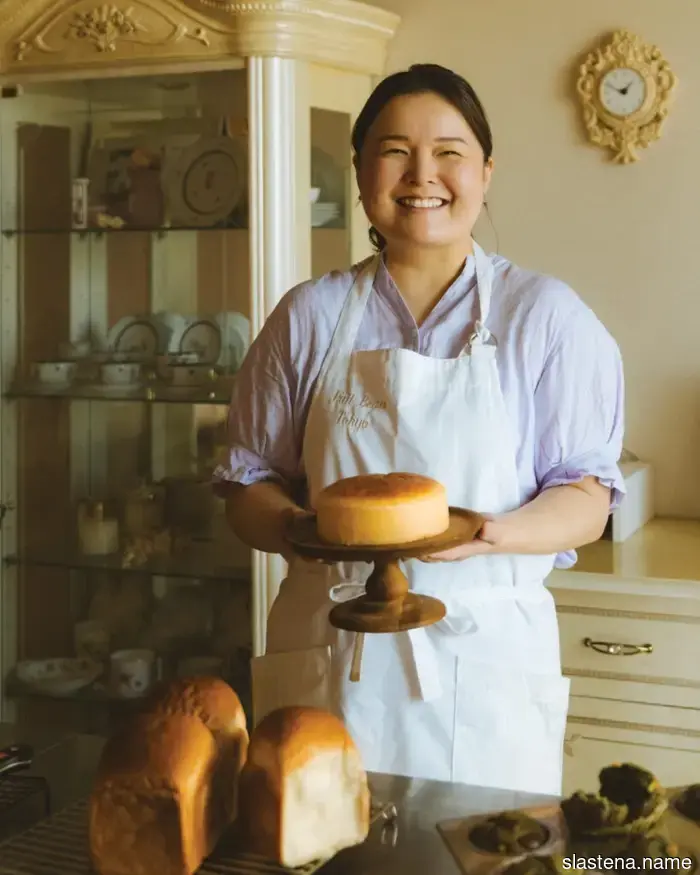 Sawako’s Tokyo Kitchen - Bake Made from Scratch
By Amber Wilson Photography by Joann Pai On a weekday morning in the Shibuya district of Tokyo, the doors of a studio kitchen swing open, releasing the aromas of butter and steam. The kitchen is simple yet pristine: bowls stacked neatly, offset spatulas and pastry brushes arranged with careful precision, parchment sheets trimmed into exact rectangles. Swift yet calm,
Sawako’s Tokyo Kitchen - Bake Made from Scratch
By Amber Wilson Photography by Joann Pai On a weekday morning in the Shibuya district of Tokyo, the doors of a studio kitchen swing open, releasing the aromas of butter and steam. The kitchen is simple yet pristine: bowls stacked neatly, offset spatulas and pastry brushes arranged with careful precision, parchment sheets trimmed into exact rectangles. Swift yet calm,
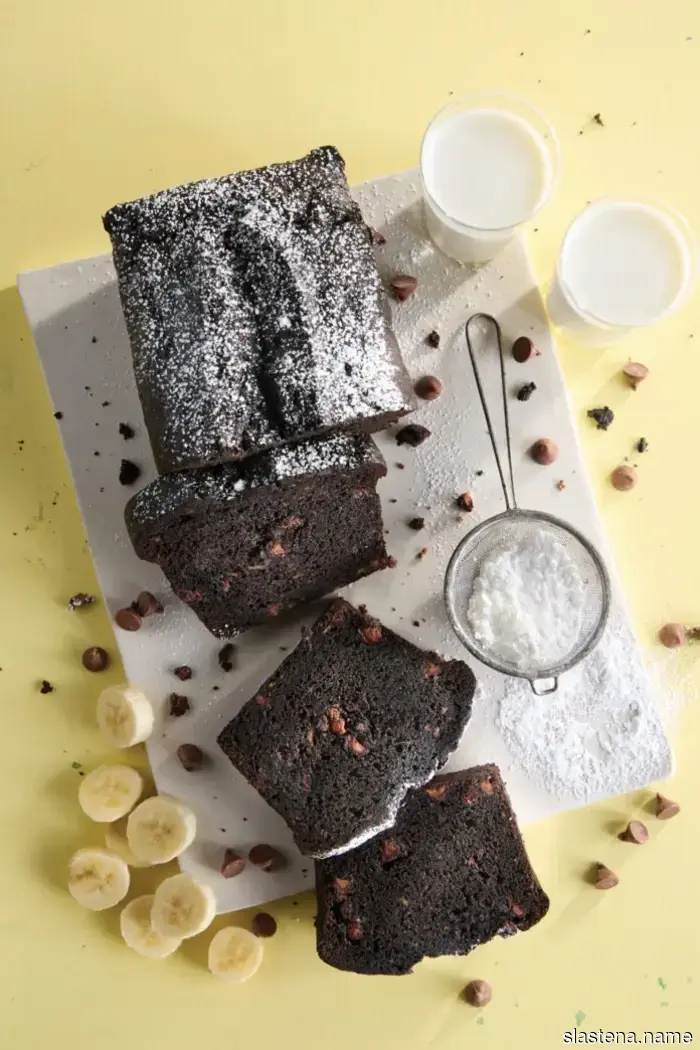 Black Cocoa Banana Bread - Recipe from Scratch
Black cocoa powder not only lends this banana bread a captivatingly dark hue, but it also imparts a profoundly rich, deep chocolate taste. A combination of brown sugar, vegetable oil, and sour cream guarantees that the crumb remains wonderfully moist. You’ll find yourself longing for another slice of this deliciously deep, dark bread long after it's finished.
Black Cocoa Banana Bread - Recipe from Scratch
Black cocoa powder not only lends this banana bread a captivatingly dark hue, but it also imparts a profoundly rich, deep chocolate taste. A combination of brown sugar, vegetable oil, and sour cream guarantees that the crumb remains wonderfully moist. You’ll find yourself longing for another slice of this deliciously deep, dark bread long after it's finished.
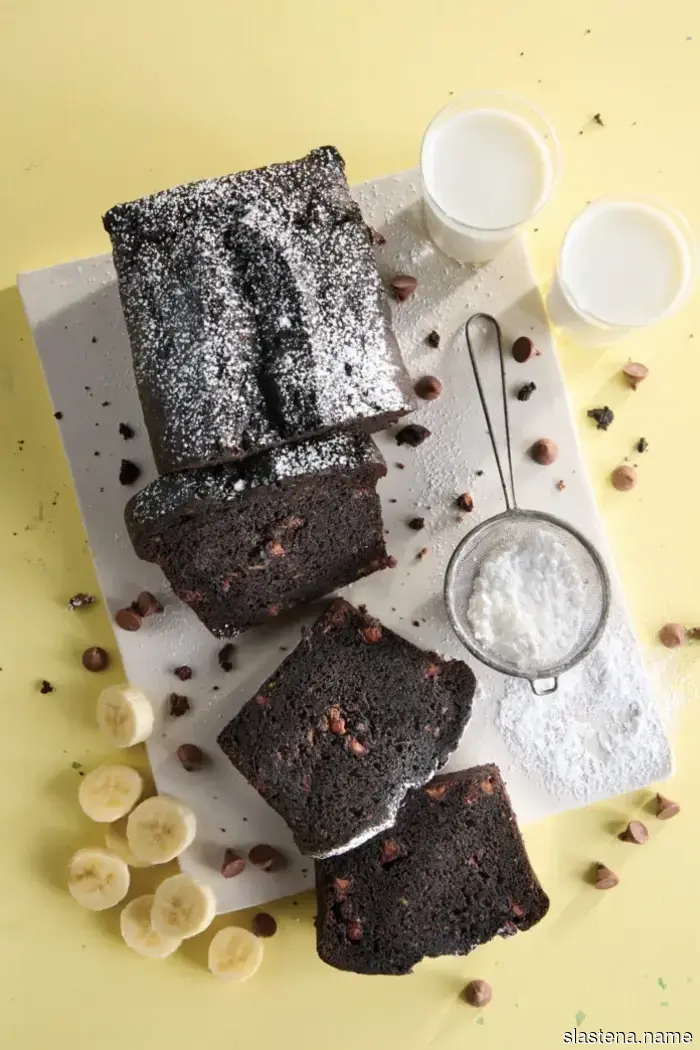 Black Cocoa Banana Bread - A Bake from Scratch Recipe
Black cocoa powder not only provides this banana bread with a captivating dark hue, but it also contributes a profoundly rich, deep chocolate taste. A combination of brown sugar, vegetable oil, and sour cream guarantees the crumb remains wonderfully moist. You'll find yourself yearning for another slice of this richly flavored, dark, delectable bread long after it's disappeared.
Black Cocoa Banana Bread - A Bake from Scratch Recipe
Black cocoa powder not only provides this banana bread with a captivating dark hue, but it also contributes a profoundly rich, deep chocolate taste. A combination of brown sugar, vegetable oil, and sour cream guarantees the crumb remains wonderfully moist. You'll find yourself yearning for another slice of this richly flavored, dark, delectable bread long after it's disappeared.
Sawako's Tokyo Kitchen - Baking from the Ground Up
By Amber Wilson Photography by Joann Pai On a weekday morning in Tokyo's Shibuya district, a studio kitchen's doors swing open to reveal the rich scent of butter and swirling steam. The kitchen is simple yet spotless: bowls arranged neatly, offset spatulas and pastry brushes positioned with careful intent, parchment sheets trimmed into precise rectangles. Fast but relaxed,