

Rose Levy Beranbaum: My Preferred Pie Crust - Bake from Scratch
Photo by Matthew Septimus
A Recipe That Has Endured for Three Decades
I’ve made some updates to my favorite piecrust since it was published in The Pie and Pastry Bible (currently in its 12th printing), and I have new tips to share. While the book includes numerous pie and tart recipes, the one I consider my go-to is the Flaky Cream Cheese and Butter Pie Crust. For pies or tarts that need refrigeration, I prefer the crumb or cookie crust (also known as pâte sucrée) as it retains its tenderness when chilled.
This crust was developed because I enjoyed the flavor of the original 1-2-3 (equal parts cream cheese, butter, and flour) crust, which is ideal for mini tartlets but too delicate and crumbly for larger tarts and pies. By incorporating water, I was able to strengthen the flour enough to make it flaky, but it turned out a bit tough. I then substituted it with heavy cream to achieve the perfect texture. To facilitate rolling, I added vinegar to relax the dough, allowing the lattice strips to be transferred without tearing. Lastly, I included nonaluminum calcium phosphate-based baking powder like Rumford to enhance tenderness by providing a slight rise during baking.
The flour type significantly affects the crust's quality. For many years, I only used pastry flour, but due to its limited availability in supermarkets, I began experimenting with all-purpose flour. To my surprise, I found that adding 1 tablespoon (12.5 grams) of sugar to either bleached or unbleached all-purpose flour resulted in the same tenderness as pastry flour, making it perfect for a single-crust pie! Since double-crust pies take longer to bake, the slightly higher protein content caused them to brown faster, necessitating a tent partway through the baking process.
I recommend refrigerating the crust for 45 minutes before rolling to ensure it’s chilled yet pliable enough for easy rolling without breaking. When fitting the pie plate or tart pan, carefully ease the crust in without stretching it to prevent shrinking. For a single crust, freezing it overnight and blind-baking it by lining it with parchment and adding pie weights is ideal for achieving crispness. You can easily create a foil ring to shield the rim, and it's best to place it from the start of baking as it will still brown underneath the foil.
Although I’m primarily known for cakes, I equally enjoy pies and tarts; my favorites are those with fruit filling for their delightful combination of a crisp crust and juicy fruit, sometimes enhanced with a layer of pastry cream. One of my proudest achievements is mastering the art of reduction for fruit. I even designed Rose’s Reduction Spatula, created by the amazing precision-focused company ThermoWorks. It features markings that allow you to track how much you’ve reduced the liquid. Allowing the fruit to macerate with sugar helps it release more liquid, and reducing that liquid means needing far less starch thickener, resulting in a cleaner flavor and improved texture.
You can find my favorite piecrust recipe on my blog at realbakingwithrose.com.
Follow Rose on Instagram at @realbakingwithrose and visit realbakingwithrose.com.
Discover Rose’s Reduction Spatula here.

Other articles
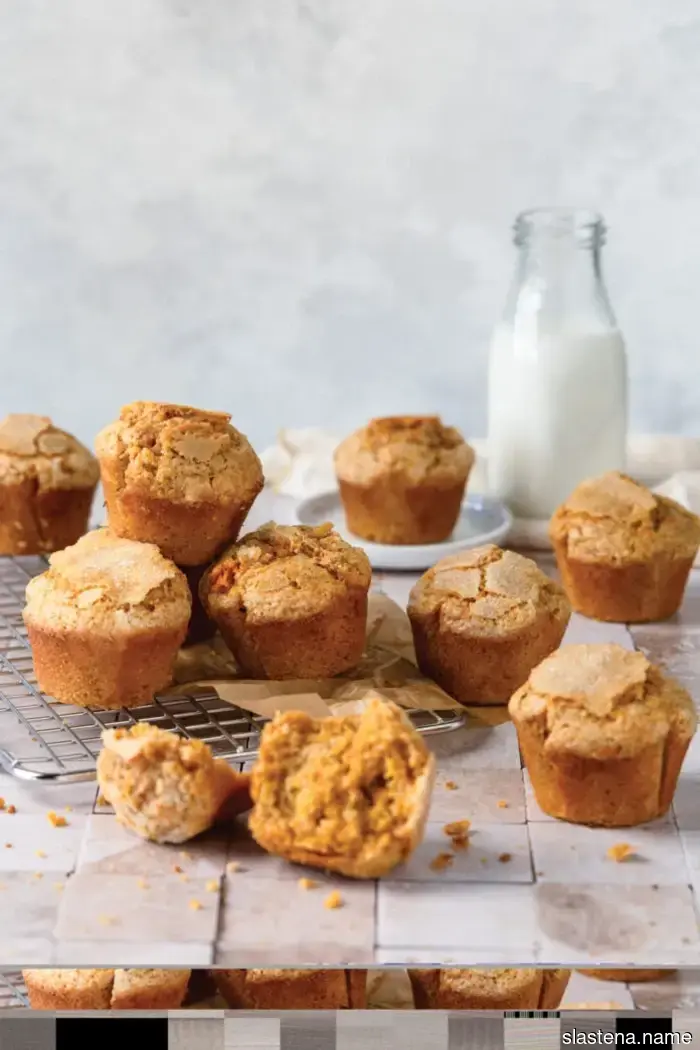 Carrot Cake Muffins - Made from Scratch
These muffins feature the same distinctive spiced flavor and moist texture as cake, and they can be prepared with little effort. Take one for a quick breakfast or savor it with coffee or tea as a delightful afternoon snack.
Carrot Cake Muffins - Made from Scratch
These muffins feature the same distinctive spiced flavor and moist texture as cake, and they can be prepared with little effort. Take one for a quick breakfast or savor it with coffee or tea as a delightful afternoon snack.
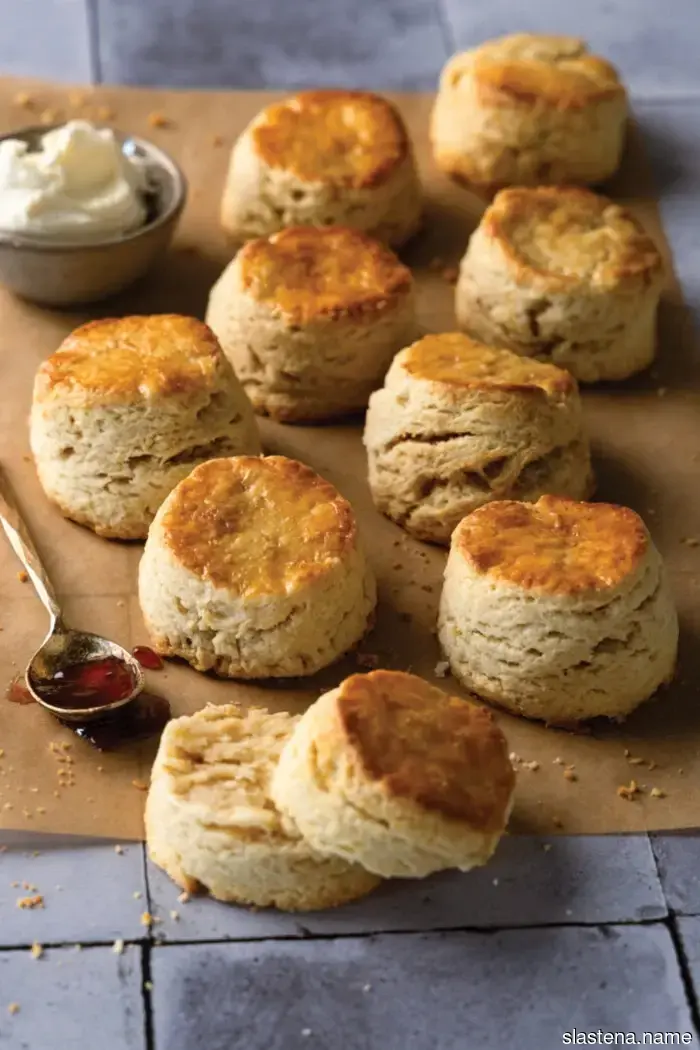 Classic Scones - Bake from Scratch
Scone dough is straightforward to make, so utilizing high-quality ingredients will result in the finest flavor and outcomes.
Classic Scones - Bake from Scratch
Scone dough is straightforward to make, so utilizing high-quality ingredients will result in the finest flavor and outcomes.
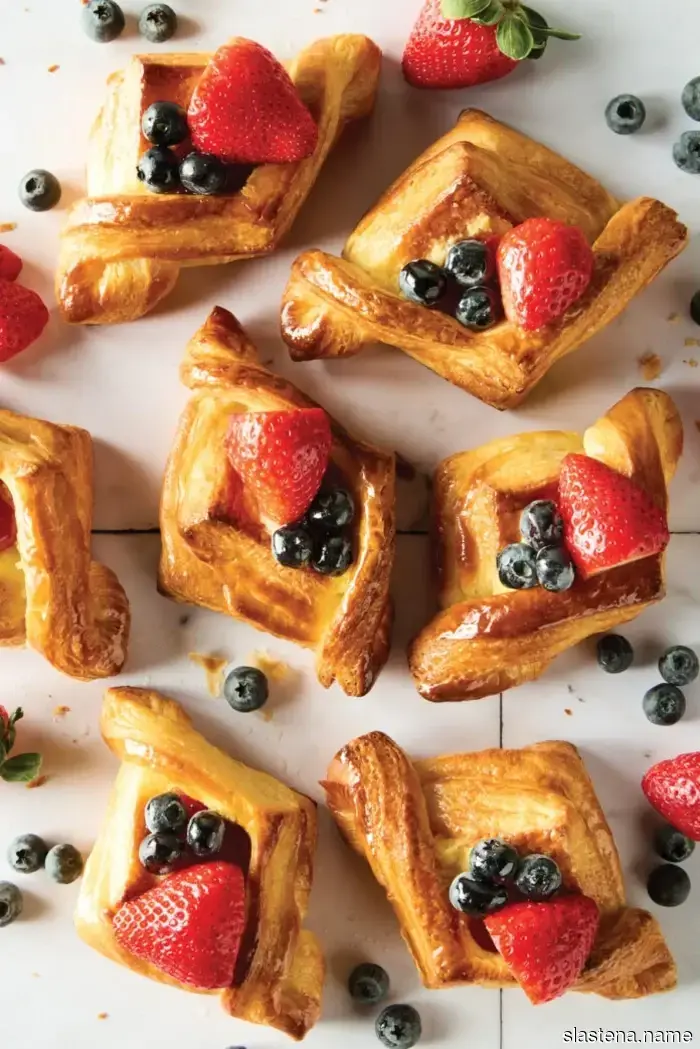 Danish with Pastry Cream - Bake from Scratch
Danish involves managing structure, and this version maintains a simple technique. The laminated dough provides the desired lift and flakiness, while the Pastry Cream is thickened sufficiently to remain in place during baking, preventing it from seeping into the dough or creating sogginess.
Danish with Pastry Cream - Bake from Scratch
Danish involves managing structure, and this version maintains a simple technique. The laminated dough provides the desired lift and flakiness, while the Pastry Cream is thickened sufficiently to remain in place during baking, preventing it from seeping into the dough or creating sogginess.
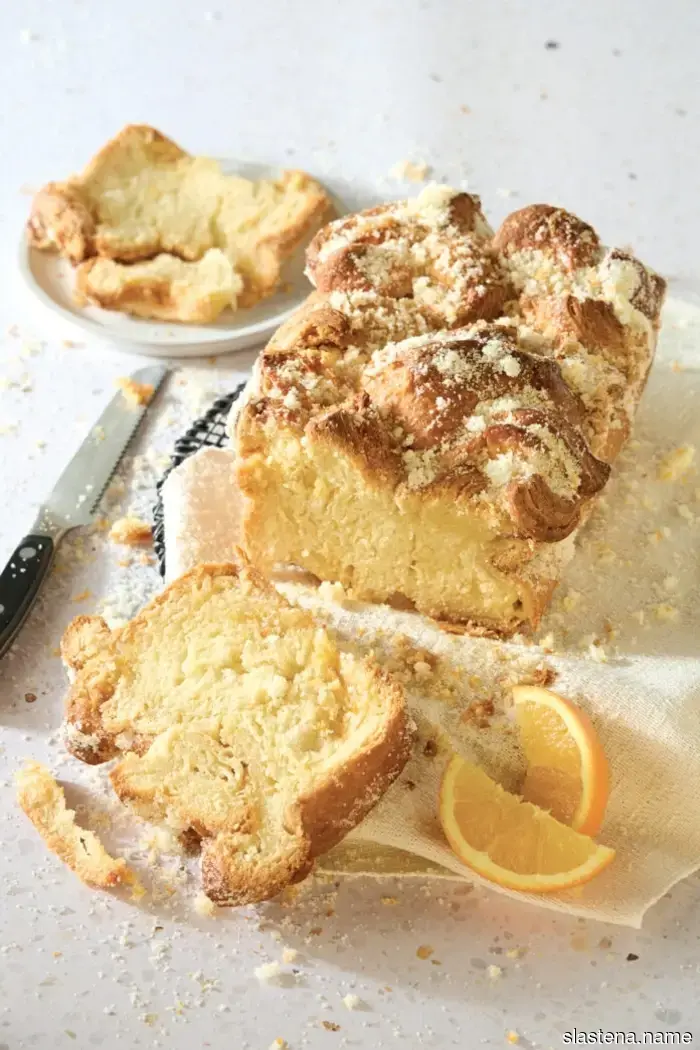 Orange Morning Bun Pull-Apart Loaf - Bake from Scratch
Drawing inspiration from the croissant loaf, a mesmerizing blend of layered croissant dough combined into a single, easily sliceable loaf, this morning bun loaf is delightfully crispy on the outside while maintaining a light, flaky, and buttery interior.
THE Coconut Cake - Bake from Scratch
"This recipe is a magnificent creation that is rich in coconut flavor and features an incredibly delightful mix of textures...the final result is impressive. It is undoubtedly THE Coconut Cake."—Erin Jeanne McDowell, 2026 contributing editor
Orange Morning Bun Pull-Apart Loaf - Bake from Scratch
Drawing inspiration from the croissant loaf, a mesmerizing blend of layered croissant dough combined into a single, easily sliceable loaf, this morning bun loaf is delightfully crispy on the outside while maintaining a light, flaky, and buttery interior.
THE Coconut Cake - Bake from Scratch
"This recipe is a magnificent creation that is rich in coconut flavor and features an incredibly delightful mix of textures...the final result is impressive. It is undoubtedly THE Coconut Cake."—Erin Jeanne McDowell, 2026 contributing editor
 Spring Cake Flour - Bake from Scratch
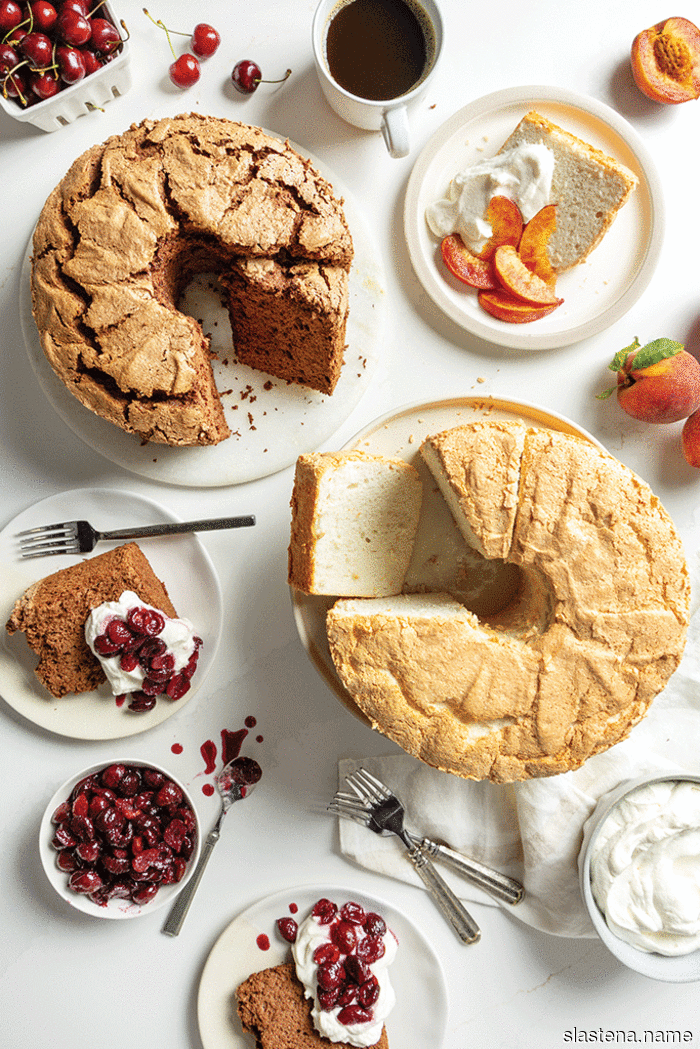
In contrast to all-purpose flour, cake flour features a lower protein content and a finer texture, making it perfect for achieving a light and airy consistency while guaranteeing that the cake rises uniformly and retains its structure.
Spring Cake Flour - Bake from Scratch
In contrast to all-purpose flour, cake flour features a lower protein content and a finer texture, making it perfect for achieving a light and airy consistency while guaranteeing that the cake rises uniformly and retains its structure.
Rose Levy Beranbaum: My Preferred Pie Crust - Bake from Scratch
That Has Withstood the Test of Time for Thirty Years By Rose Levy Beranbaum I have made some revisions since my beloved piecrust was featured in The Pie and Pastry Bible (currently in its 12th printing), and I have several new suggestions to offer. I possess a variety of pie and tart recipes in