
Cake Baking 101 - Baking from Scratch
By Katie Moon
Cake has an enduring quality—its ability to unite people, the delight of the first taste, and the anticipation of something delightful and fulfilling. However, baking a genuinely moist, bakery-style cake at home can seem out of reach. We've all experienced it: searching through blogs, pondering recipes with daring claims like “How to Make a Box Mix Taste Like a Bakery Creation!” Young Katie would have eagerly embraced tips such as adding an extra egg for “richness,” replacing water with milk, or adding a splash of vanilla extract. It seems so straightforward and fail-safe.
But then that first bite tells a different story. Dry. Dense. Disappointing. The aspiration for a bakery-quality cake crumbles right in front of you. What goes wrong? The answer lies in one word: protein.
The Science of a Tender Crumb
For a cake to achieve both fluffiness and moisture, the balance of ingredients must be just right. Protein is crucial for providing structure, but too much or mishandling it can cause dryness. While most of us understand that overmixing batter can cause gluten development (another protein issue!), the story goes further.
Let’s discuss liquids. If a recipe calls for water or buttermilk, resist the temptation to substitute regular milk without grasping the repercussions. It's a nuanced process. Milk has enzymes that can hinder gluten development, while buttermilk contains lactic acid. This acid reduces the batter's pH, actively breaking down gluten strands and resulting in a more tender crumb.
Imagine gluten as a rubber band. Gluten thrives in a slightly acidic setting, keeping it relaxed and flexible like an unstretched rubber band. However, if you overmix your batter or overbake your cake, those protein bonds tighten like a stretched rubber band, forcing out every bit of moisture. The outcome is a cake so dry that you wouldn’t even want to give it away.
Eggs: Cake’s Frenemy
Eggs are often the unsung champions in baking. They contribute structure, richness, and leavening but can also ruin your crumb if not handled properly. Egg yolks are your cake’s best ally—they add fat (hello, richness!) and emulsifiers, such as lecithin, that coat the flour and limit gluten development.
On the other hand, egg whites can be troublesome. Made up of just protein and water, they are a major factor in dryness. Yet, they cannot be omitted—egg whites produce the foam and lift needed for light, airy cakes like sponges and meringues. The key is finding a balance: enough eggs to create structure without drying out your cake.
Baked to Perfection
Even with ideal ratios, your oven can still let you down. Certain cakes, such as chocolate or red velvet, can be misleading due to their color. They might appear done on the outside or pass the toothpick test, yet inside they could be overbaked and dry.
My golden rule is to invest in an instant-read thermometer. A properly baked, non-yeasted cake should reach an internal temperature of 200°F (93°C) to 205°F (96°C). No more guessing or heartbreak. I’ve always believed that contestants on The Great British Bake Off would excel in the technical challenges if they simply utilized this humble tool.
So, when you’re preparing to bake a cake, keep this in mind: balance your proteins, trust your thermometer, and pay attention to the details and techniques. Stay curious and bake confidently!
Baking Fail
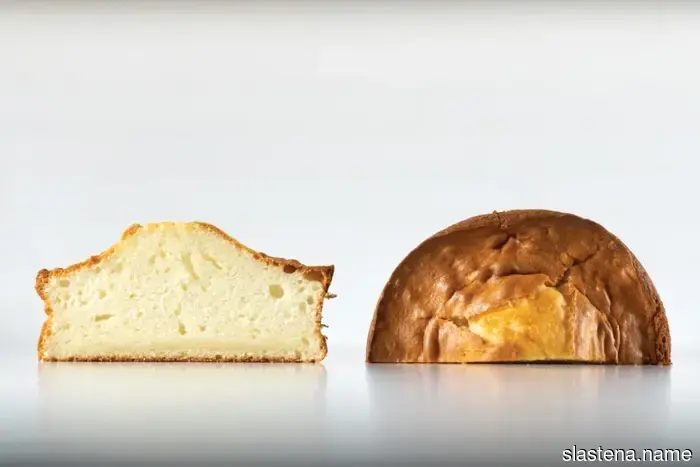
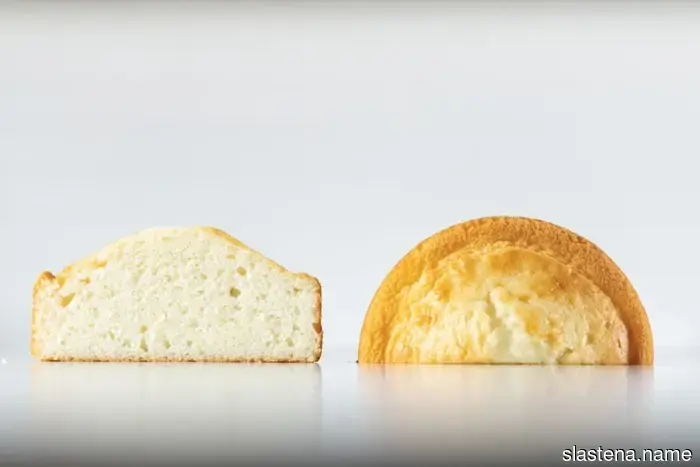
These cakes originated from the same recipe, yet the outcomes are significantly different. The cake at the bottom was mixed and baked precisely, producing a light, fluffy crumb with the ideal texture we all seek. Conversely, the top cake faced misfortune. By adding an extra egg, substituting milk for water, overmixing, and overbaking, it resulted in a dense, dry, rubbery cake with a tight crumb. The cause? Excess protein from the additional egg and greater gluten formation due to overmixing. It’s a visual testament that minor adjustments can greatly influence your final bake.
Want more cake tips? Check out Our Test Kitchen’s Top Tips For Beautiful Cakes.
My Favorite Tools
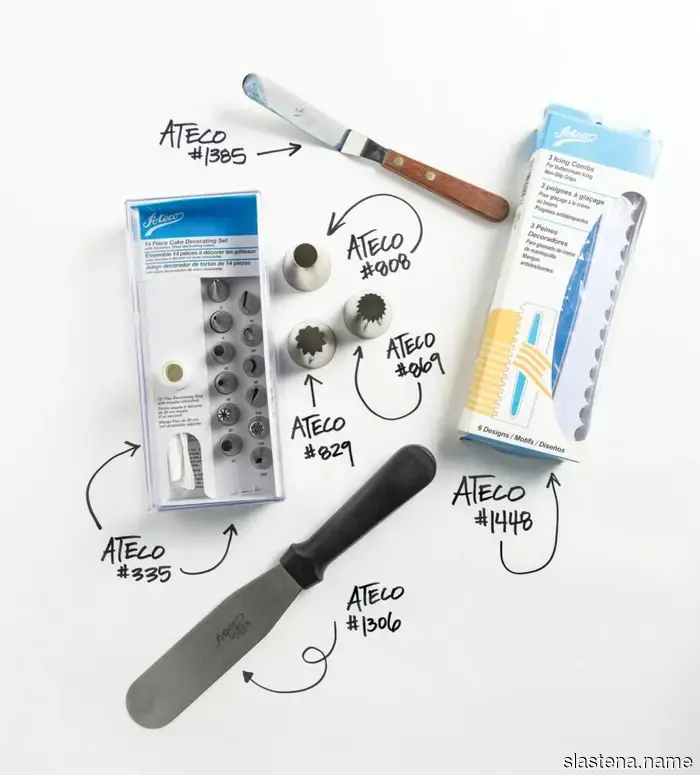
For aspiring cake decorators, I suggest affordable, multifunctional tools, many of which you might already have in your kitchen.
- A long serrated knife, ideally at least 9 inches, such as a bread knife.
- Piping tips: at least one large (minimum 1⁄2-inch opening) open star piping tip or large French star piping tip (for cupcakes or larger borders) and one large round piping tip.
- Light-colored aluminum pans for layer cakes. Dark pans can easily overbake your cake (requiring adjustments to temperature and time), and many factors can go awry.
- A long, wide spatula and
Other articles
Cake Baking 101 - Baking from Scratch
By Katie Moon Cake has a timeless quality—it unites people, provides joy with that initial bite, and offers a guarantee of sweetness and satisfaction. However, creating a moist, bakery-quality cake at home can seem challenging. We've all experienced the frustration of scrolling through blogs and considering recipes that make bold promises like “How to