

Within the Workshop of Iris Hantverk - Bake from Beginning
by Amber Wilson
Iris Hantverk, a homewares company, has its roots in Sweden’s labor movement from the late 19th century, when visually impaired artisans fought for equitable wages. What initially started as a workhouse and training facility has evolved into a globally recognized producer of handmade household tools and brushes—tactile creations that stand out in a world dominated by plastic and rapid production. Currently, Iris Hantverk maintains a small workforce of just 17 employees, which includes visually impaired craftsmen from Sweden and Estonia.
Since 2012, Sara Edhäll and her colleague Richard Sparrenhök have co-owned Iris Hantverk. Prior to this, Sara had a long history with the company and never anticipated taking on a leadership role. This perspective shifted when the organization lost government funding and the previous owners opted to sell.
Photographer Anna Kern captures the essence of their story.
“I had been with the company for many years and experienced all the challenges we faced in becoming profitable,” she reflects. With the livelihood of visually impaired brushmakers on the line, she made a decisive choice. “There were several individuals in the company who wanted to see the business thrive and, importantly, retain the jobs of the craftsmen. In the end, it was Richard and I who acquired the company. Although it was very challenging at first due to the lack of significant loans for working capital, we managed to get the business back on track. It felt rewarding.”
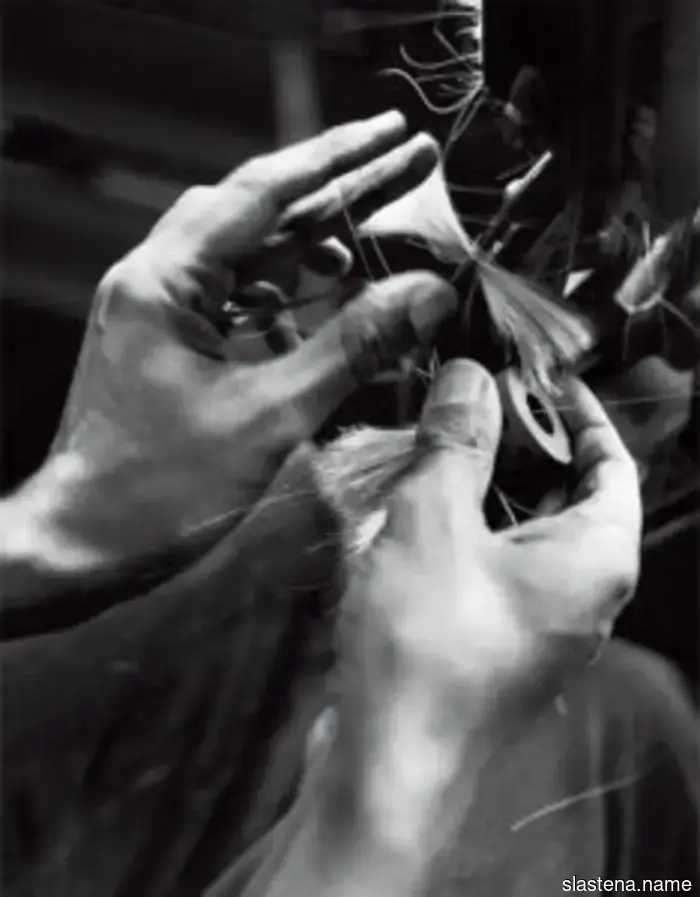
In this workshop, dexterity is gauged not through sight but through touch. “Often, craftsmen with limited vision find it harder to learn to tie brushes compared to those who are completely blind, as they tend to rely more on their sight than their tactile senses,” Sara explains. She perceives the workshop as a representation of a broader reality: “I believe many traditional arts and crafts can be equally mastered by blind individuals as by those with sight.”
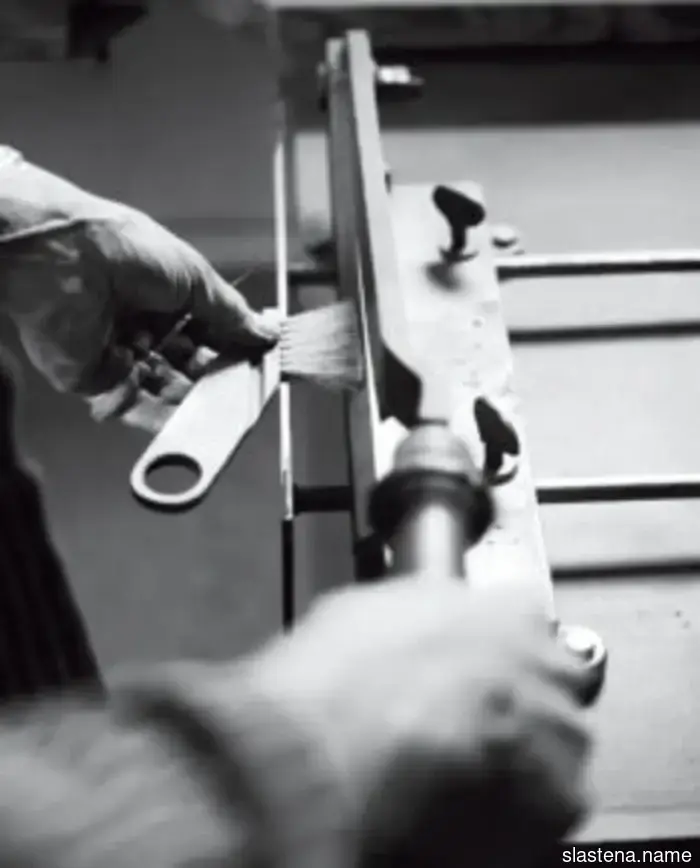
Working by touch has tangible advantages as well. “A machine-punched brush can easily lose its bristles if the wood cracks or swells, which does not happen with handmade brushes because of the way they are constructed,” Sara clarifies.
Customers notice this distinction before they can articulate it. “The most common feedback is that they are beautiful,” Sara remarks. “This is likely because so few everyday items are handcrafted in contemporary times. Additionally, it’s evident that the products are designed with thoughtfulness and attention to user experience.”
There is a certain intimacy in creating purely by touch: the notion that disability does not lessen craftsmanship but enhances it, that functionality and aesthetics can coexist. Even after all these years, Sara’s inspiration remains straightforward. “What motivates and drives me,” she states, “is seeing the many people who value these products and may prefer a brush made from wood and natural materials over one from plastic.”
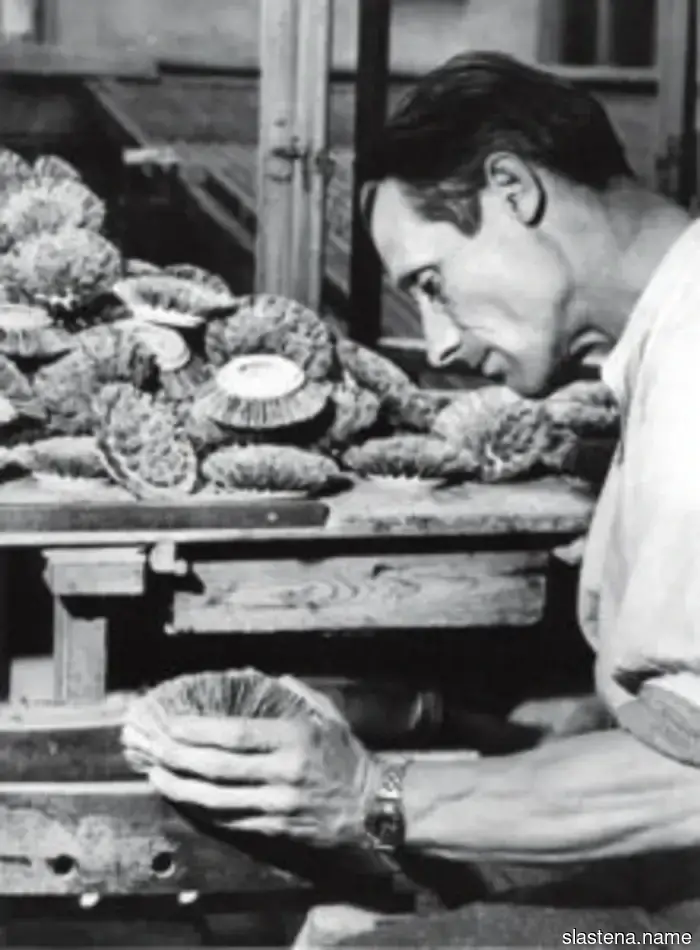
Photographer Anna Kern captures their craftsmanship.
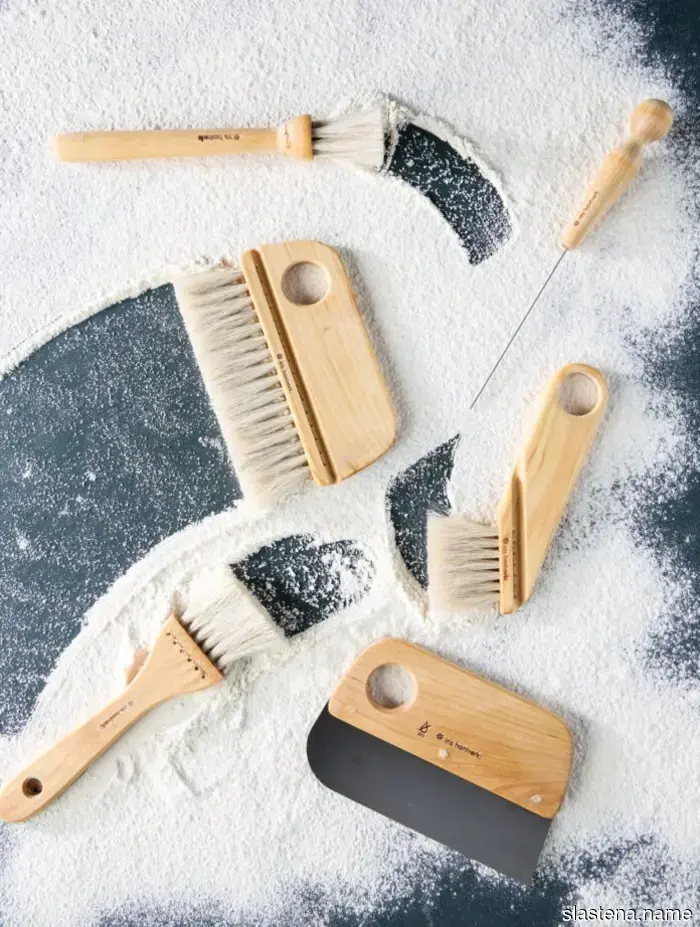
Bake from Scratch proudly offers Iris Hantverk’s handmade kitchen tools. Explore our selection of baker and pastry brushes, pastry scrapers, and cake testers at bakefromscratch.com/shop. To learn more about their craft tradition and view the full product range, visit irishantverk.se/en. Each purchase supports the artisans who craft these timeless tools.

Within the Workshop of Iris Hantverk - Bake from Beginning
by Amber Wilson The home goods brand Iris Hantverk has its roots in Sweden’s labor movement of the late 19th century, during which visually impaired artisans fought for fair wages. What started as a workshop and training facility has evolved into a well-known producer of handcrafted domestic tools and brushes—tactile items distinguished by their gracefulness.