
7 Recipes for Cast-Iron Skillet Season - Bake from Scratch
CLEANING
When it comes to cleaning cast iron, your best tools are hot water and some manual effort. For difficult, stuck-on dirt and grease, coarse salt, a scrub brush, a sturdy chain mail scrubber, scouring pads, or even common items like a toothbrush or cotton swabs can be very effective. Above all, you should avoid fully submerging your cast-iron cookware in water, as this will heighten the risk of rust. After cleaning, it’s crucial to dry your cast iron promptly and thoroughly. A clean, lint-free cloth or paper towel is usually the most effective choice. Lastly, you should apply a very thin layer of cooking oil to the cookware's surface, using a paper towel to wipe it until all excess oil is removed.
OVEN-SEASONING
Seasoning not only creates a nonstick surface but also helps prevent rust on your pan. Though it requires some additional care, a well-seasoned cast-iron pan can last for generations.
1. To season your cast-iron cookware, apply a very small amount of cooking oil to the surface. Then, use a paper towel to wipe it off until no oil residue is left. Applying too much oil can make the cast iron sticky, so it's essential to use only a little.
2. Place a sheet of foil or a rimmed baking sheet on the lower rack of the oven to catch any drips. Then, position the oiled pan upside down on the center rack.
3. Bake the pan in a preheated oven at 350°F (180°C) for about 1 hour. After an hour, turn off the oven and allow the pan to cool down inside. Repeat this process as necessary. Store it in a cool, dry location.
RUST
Generally, harsh acids should be avoided when dealing with your cast-iron cookware. However, rust needs special attention. There are two primary methods for removing rust from cast-iron cookware:
LEMON & SALT OR POTATO & SALT:
1. Cut a fresh lemon or potato in half and dip each half in kosher salt.
2. Vigorously rub the lemon or potato, salt side down, over any rusty areas, adding more salt as needed until the rust is removed.
3. Rinse the pan with a small amount of mild dish soap and warm water, then dry it thoroughly with a clean dish towel or paper towel. Re-season the pan, and it will be ready for use again.
STEEL WOOL:
1. Take a fine-grade steel wool pad and scrub the surface of the pan to eliminate rust and debris.
2. Rinse away any remnants with hot water and mild soap. Ensure it is completely dry before re-seasoning.
Другие статьи
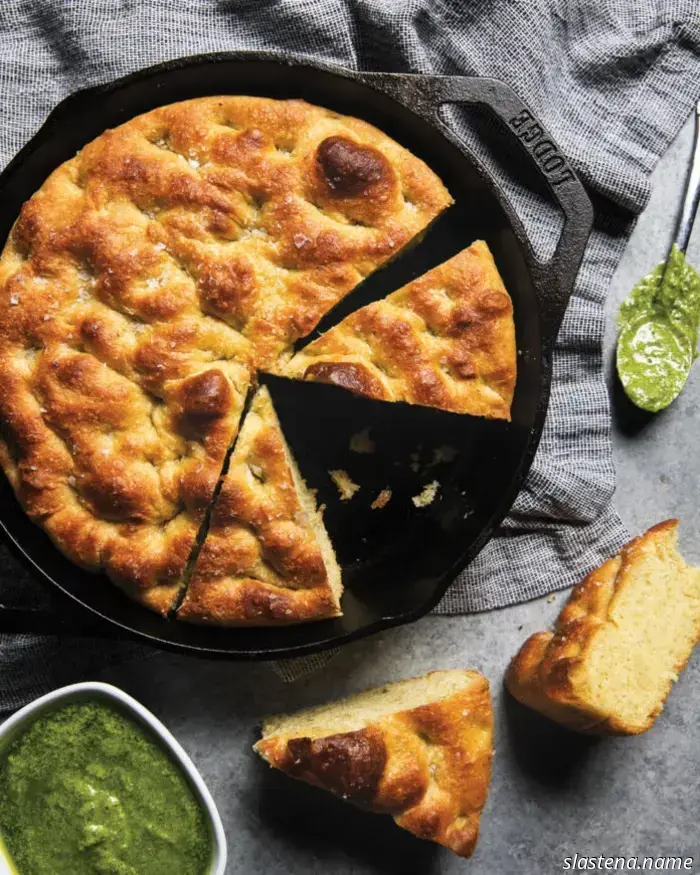 Skillet Focaccia - Bake from Scratch
This light, fresh, and lovely focaccia merges two Italian traditions to produce a loaf that is colorful in both taste and look.
Skillet Focaccia - Bake from Scratch
This light, fresh, and lovely focaccia merges two Italian traditions to produce a loaf that is colorful in both taste and look.
 Jalapeño Popper Swirl Bread - A Recipe from Bake from Scratch
The perfect tribute to a beloved favorite, our soft bread is swirled with a mix of bacon, jalapeño, green onion, garlic, cream cheese, and gooey white Cheddar.
Jalapeño Popper Swirl Bread - A Recipe from Bake from Scratch
The perfect tribute to a beloved favorite, our soft bread is swirled with a mix of bacon, jalapeño, green onion, garlic, cream cheese, and gooey white Cheddar.
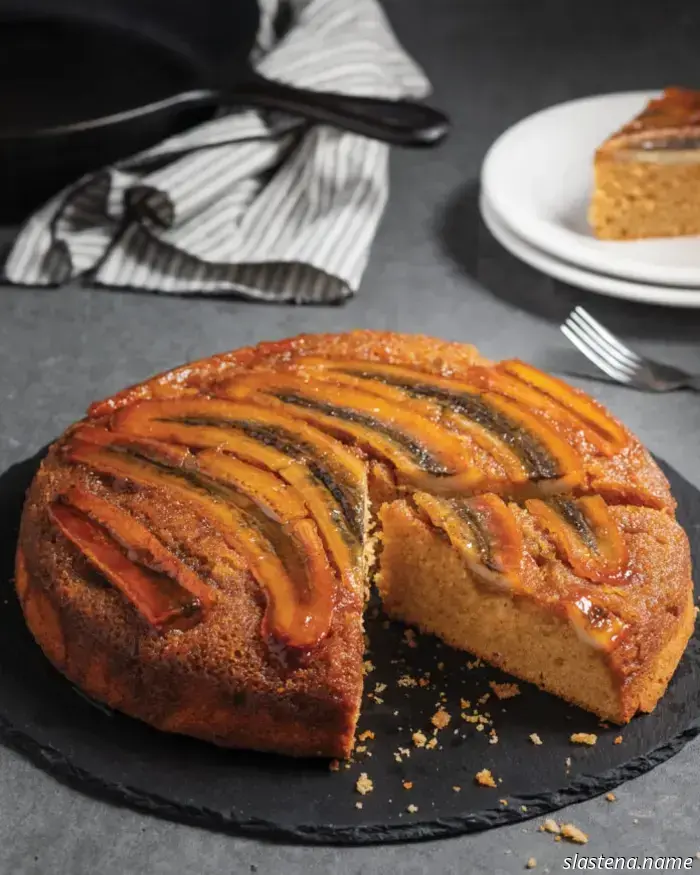 Peanut Butter-Banana Upside-Down Cake - Prepare from Scratch
Luxurious and soft peanut butter cake combines with caramelized bananas in this delightful variation of an upside-down cake.
Peanut Butter-Banana Upside-Down Cake - Prepare from Scratch
Luxurious and soft peanut butter cake combines with caramelized bananas in this delightful variation of an upside-down cake.
7 Recipes for Cast-Iron Skillet Season - Bake from Scratch
Every recipe in this collection showcases the versatility and dependability of the simple cast-iron skillet.