

Baking with Oil: Our Key Guide - Bake from Scratch
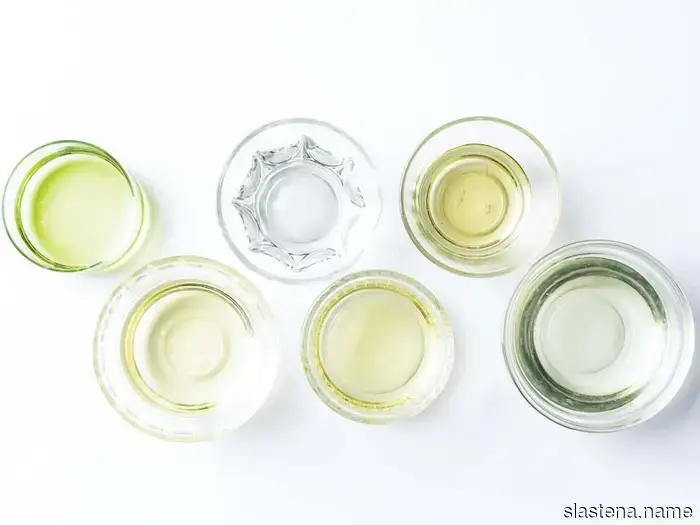
When a baking recipe mentions oil or “neutral oil,” many of us automatically reach for vegetable oil. However, there are numerous alternatives available, each with varying costs, potential health benefits, and different baking results.
The type of oil used influences more than just flavor; it also impacts the cake's crumb structure, moisture retention, and even its color. We decided to investigate the effects of swapping oils in the same cake recipe—seven times in total. (Indeed, we baked and sampled seven cakes for you. You’re welcome.) Below, we present our findings along with the price per ounce (specific to our Birmingham, Alabama area) to assist with budgeting.
We evaluated the oils based on flavor, texture, rise, and overall deliciousness, while also considering health advantages.
**The Lineup**
- VEGETABLE OIL: $0.07/ounce
- CANOLA OIL: $0.11/ounce
- GRAPESEED OIL: $0.23/ounce
- LIGHT OLIVE OIL: $0.46/ounce
- AVOCADO OIL: $0.50/ounce
- LIQUID COCONUT OIL (also referred to as fractionated coconut oil): $0.51/ounce
- ALGAE OIL: $1.31/ounce
**How Each Oil Baked Up**
**VEGETABLE OIL (Control)**
The reliable choice
- **Bake:** Even rise, no cracks
- **Flavor:** Clean
- **Texture:** Moist without being greasy, consistent crumb
- **Health note:** Affordable and reliable, but higher in omega-6 fatty acids, which should be balanced with omega-3s for heart health.
**CANOLA OIL**
Our least favorite
- **Bake:** Shorter rise, darker crust, visible fat line at the bottom
- **Flavor:** Greasy sensation with an unusual aftertaste
- **Texture:** Uneven, with large air pockets and cracking
- **Health note:** Low in saturated fat, contains omega-3s, but less expensive brands can be highly processed and may have off-flavors.
**GRAPESEED OIL**
A pleasant surprise
- **Bake:** No cracks on top; lovely, even rise
- **Flavor:** Slightly sweeter than vegetable oil, clean taste
- **Texture:** Light and open crumb; not greasy
- **Health note:** High in vitamin E and polyunsaturated fats, but be cautious of refined versions, which can be more processed.
**LIGHT OLIVE OIL**
Good but a bit unpredictable
- **Bake:** Slight cracking on top, moist crumb, but somewhat wetter than preferred
- **Flavor:** Distinctly green, slightly fruity. “Light” olive oil implies a mild flavor, not reduced fat or calories. It is still 100% oil without the strong taste of extra-virgin olive oil, making it suitable for baking without savory notes.
- **Texture:** Soft but slightly oily
- **Health note:** Rich in monounsaturated fats and antioxidants; a key component of the Mediterranean diet.
**AVOCADO OIL**
A flavor-forward choice
- **Bake:** Slight cracking on top but not significant
- **Flavor:** Floral, slightly green—evoking a spring-like taste in cake
- **Texture:** Moist but not greasy
- **Health note:** High in monounsaturated fats and antioxidants such as lutein, beneficial for eye health.
**LIQUID COCONUT OIL**
Steady and neutral
- **Bake:** Slightly shorter cake, but even top and crumb
- **Flavor:** Neutral—no coconut taste present
- **Texture:** Soft yet a bit sturdier than others
- **Health note:** High in saturated fat but contains medium-chain triglycerides (MCTs), which some studies suggest can be quickly utilized by the body for energy.
**ALGAE OIL**
The understated achiever
- **Bake:** Minor tunneling, slight cracking, but overall very similar to vegetable oil
- **Flavor:** Nearly flavorless—a clean blank slate
- **Texture:** Light and smooth
- **Health note:** Extremely high in omega-3 fatty acids, surpassing some fish oils, making it a great plant-based choice for brain and heart health.
**EXTRA TIP:** Oils can go rancid more quickly than anticipated. If it smells off, it’s time to invest in a new bottle.
**The Final Results**
Our oil ranking from most to least preferred:
1. VEGETABLE OIL
2. ALGAE OIL
3. LIQUID COCONUT OIL
4. GRAPESEED OIL
5. AVOCADO OIL
6. LIGHT OLIVE OIL
7. CANOLA OIL
For regular baking, grapeseed oil offers an excellent balance
Other articles
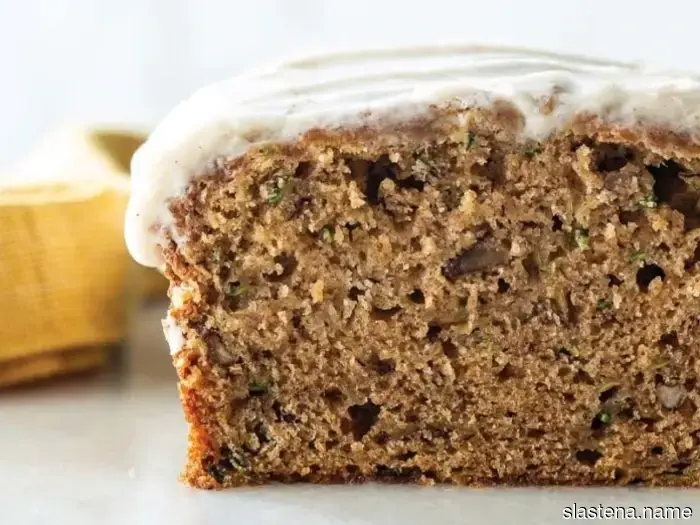 Chai-Zucchini Loaf Cakes Topped with Cinnamon Glaze - Recipe from Bake from Scratch
The seasonal zucchini harvest yields a delightfully tender and much-anticipated loaf cake. Enhance your traditional recipe with a fragrant mix of chai spices and a smooth Cinnamon Glaze. Including banana helps to bind the batter, while using a neutral oil provides the cake with lightness, tenderness, and noticeable moisture. Replace water with other ingredients.
Chai-Zucchini Loaf Cakes Topped with Cinnamon Glaze - Recipe from Bake from Scratch
The seasonal zucchini harvest yields a delightfully tender and much-anticipated loaf cake. Enhance your traditional recipe with a fragrant mix of chai spices and a smooth Cinnamon Glaze. Including banana helps to bind the batter, while using a neutral oil provides the cake with lightness, tenderness, and noticeable moisture. Replace water with other ingredients.
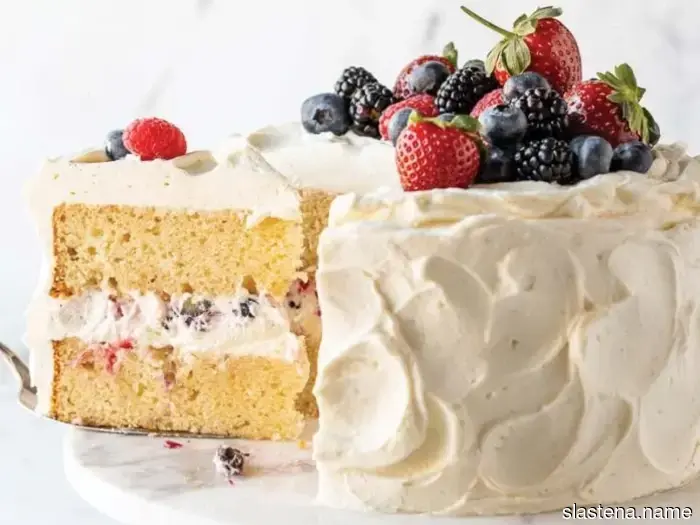 Berry and Mascarpone Chantilly Layer Cake - Recipe from Scratch
Featuring a subtle flavor and a melt-in-your-mouth consistency, this Berry and Mascarpone Chantilly Layer Cake is both luxurious and elegant, while also being simple and quick to make.
Berry and Mascarpone Chantilly Layer Cake - Recipe from Scratch
Featuring a subtle flavor and a melt-in-your-mouth consistency, this Berry and Mascarpone Chantilly Layer Cake is both luxurious and elegant, while also being simple and quick to make.
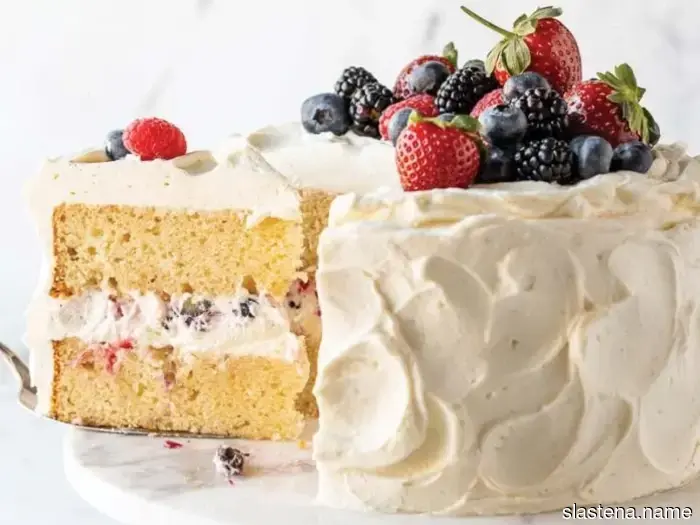 Berry and Mascarpone Chantilly Layer Cake - Recipe from Scratch
This Berry and Mascarpone Chantilly Layer Cake is luxurious and elegant, featuring a subtle flavor and a texture that melts in your mouth, all while being simple and quick to make.
Berry and Mascarpone Chantilly Layer Cake - Recipe from Scratch
This Berry and Mascarpone Chantilly Layer Cake is luxurious and elegant, featuring a subtle flavor and a texture that melts in your mouth, all while being simple and quick to make.
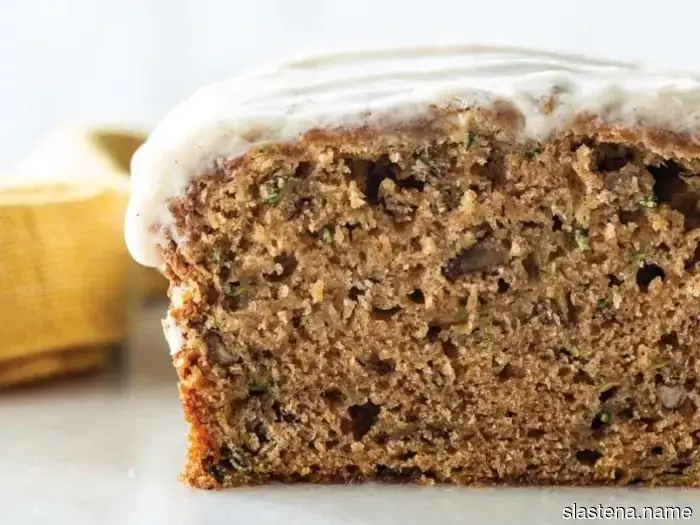 Chai-Zucchini Loaf Cakes with Cinnamon Glaze - A Recipe from Scratch
The seasonal zucchini harvest results in a delightfully tender and eagerly awaited loaf cake. Enhance your classic recipe with a fragrant mix of chai spices and a smooth Cinnamon Glaze. Including banana helps to bind the batter, while using a neutral oil contributes to the cake's lightness, tenderness, and remarkable moisture. Replace water with...
Chai-Zucchini Loaf Cakes with Cinnamon Glaze - A Recipe from Scratch
The seasonal zucchini harvest results in a delightfully tender and eagerly awaited loaf cake. Enhance your classic recipe with a fragrant mix of chai spices and a smooth Cinnamon Glaze. Including banana helps to bind the batter, while using a neutral oil contributes to the cake's lightness, tenderness, and remarkable moisture. Replace water with...
 Baking with Oil: Our Comprehensive Guide - Bake from Scratch
When a baking recipe specifies oil or “neutral oil,” many of us naturally reach for vegetable oil; however, there is a wide variety of choices available in the pantry.
Baking with Oil: Our Comprehensive Guide - Bake from Scratch
When a baking recipe specifies oil or “neutral oil,” many of us naturally reach for vegetable oil; however, there is a wide variety of choices available in the pantry.
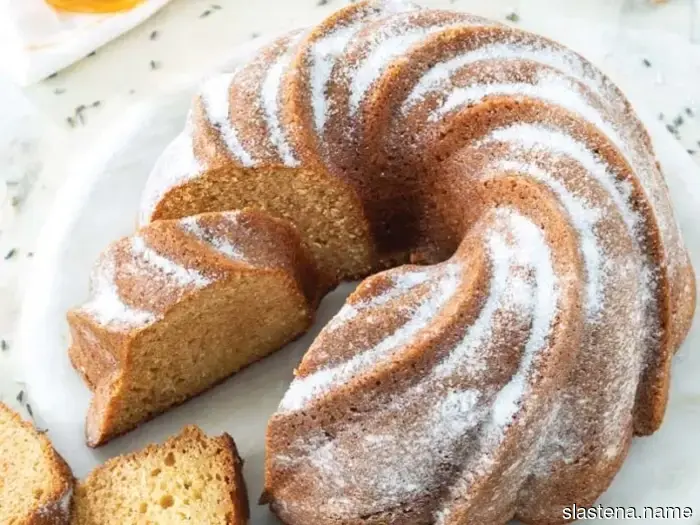 Honey-Lavender Bundt Cake - Prepare from Scratch
Honey and lavender are the stars of our delicate Bundt cake. While butter would contribute clashing flavors and a texture similar to pound cake, using a neutral oil lets all the ingredients stand out and results in an exceptionally moist crumb. A final sprinkle of lavender sugar adds a royal touch to this cake. Honey-Lavender Bundt Cake.
Honey-Lavender Bundt Cake - Prepare from Scratch
Honey and lavender are the stars of our delicate Bundt cake. While butter would contribute clashing flavors and a texture similar to pound cake, using a neutral oil lets all the ingredients stand out and results in an exceptionally moist crumb. A final sprinkle of lavender sugar adds a royal touch to this cake. Honey-Lavender Bundt Cake.
Baking with Oil: Our Key Guide - Bake from Scratch
When a baking recipe specifies oil or "neutral oil," many of us automatically reach for vegetable oil, but there are numerous alternatives available in the pantry.