
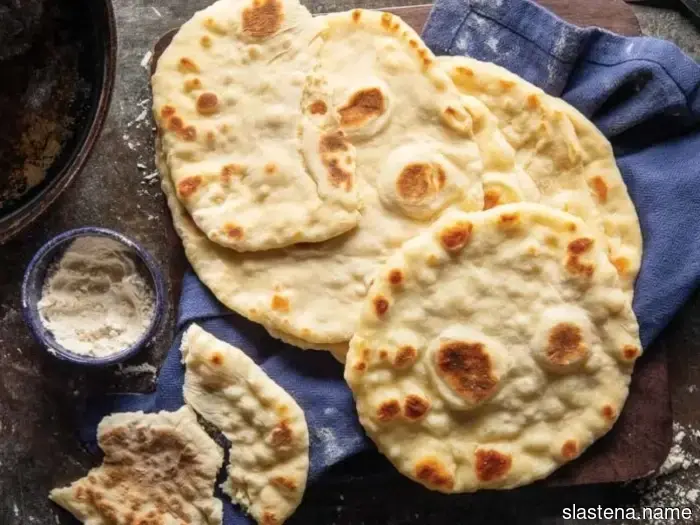
Greek Pita Bread - Bake from Scratch
Recipe by Bella Karragiannidis
ABOUT BELLA:
“Above all, I consider myself an artist. Everything that I create and share through Ful-filled (full-filled.com) is fueled by a profound passion for beauty and connection. Whether I'm in the kitchen or tending to my garden... whether I wield a camera or a paintbrush... I believe my life's purpose is to create and inspire through all of my endeavors. Although many people think I am Greek, I was actually adopted into the Greek culture after marrying my husband. My introduction to Greek culture began in the kitchen when my in-laws taught me traditional Greek cooking, and over time, preparing Greek dishes has become an integral part of my identity as a creator.”
THE ORIGIN:
“Pita is the oldest bread in existence, and the term 'pita' originates from the Greek language. In Greek, 'pita' has two distinct meanings—one of which specifically refers to this type of flatbread. There is nothing like the experience of enjoying fluffy, soft pita on the inside, with a golden, crisp exterior. I will always remember the first gyro I tried in Greece, as well as scooping up my father-in-law's homemade tzatziki with a piece of his freshly made pita.”
HOW TO SERVE:
“Greek pita bread is a staple food. While it is most commonly known as the base for gyros, pita also serves wonderfully as a soft and fluffy means for dipping into various spreads and dips.”
ACROSS THE COUNTRY:
In Greece, the term 'pita' can refer to savory pies like spanakopita as well as the flatbread described here. Pita bread in Greece is typically served with hummus, baba ganoush, tzatziki, or tabbouleh for dipping or used as a wrap for souvlaki and gyros. Contrary to popular belief, pita doesn't always have a pocket. Although it has become a beloved flatbread throughout the Mediterranean, its origins can actually be traced back to ancient Middle Eastern civilizations.
Makes 8 pita breads
Recipe by Bella Karragiannidis
The word 'pita' in Greek denotes flatbreads, pies, and cakes. Greek flatbread known as pita is characterized by its dimples and absence of a hollow pocket and requires only a few simple ingredients. With its golden, fluffy, and tender texture, it is best enjoyed with dips and spreads or stuffed with meat, vegetables, and tzatziki for a traditional Greek gyro.
**Ingredients:**
1⅓ cups (320 grams) warm water
2¼ teaspoons (7 grams) active dry yeast
1 teaspoon (4 grams) granulated sugar
2 tablespoons (28 grams) olive oil, plus more for greasing
1½ teaspoons (8 grams) fine sea salt
3 cups plus 2 tablespoons plus 1 teaspoon (400 grams) bread flour
1 tablespoon (14 grams) neutral oil
**Instructions:**
In a large mixing bowl, combine 1⅓ cups (320 grams) warm water, yeast, and sugar. Allow it to sit until it becomes slightly foamy, about 10 to 15 minutes. Stir in the olive oil and salt to the yeast mixture. Gradually add the flour, mixing with your hand until the dough begins to form. Transfer the dough to a heavily floured surface and knead it until smooth, about 5 to 6 minutes, adding more flour to the surface as necessary.
Grease a large bowl with oil. Place the dough in the bowl, cover it, and let it rise in a warm, draft-free area (75°F/24°C) until it has doubled in size, approximately 45 minutes.
Punch down the dough and divide it into 8 equal portions, shaping each into a round. Allow them to rest for 15 minutes.
Generously flour each piece of dough and roll or press each round into circles measuring about 8 inches across (approximately ¼ inch thick). Firmly press your fingers into the dough to create dimples.
Heat a large skillet over medium heat, adding neutral oil to the hot skillet. Place one dough round in the skillet and cook until it begins to puff, about 1 to 2 minutes. Flip it over and cook until golden, another 1 to 2 minutes. Remove the pita from the skillet and wrap it in a clean cotton towel. Repeat with the remaining dough rounds. Serve warm, or let them cool completely wrapped in the towel. Store in a resealable plastic bag for up to 4 days, or freeze in a resealable plastic freezer bag for up to 3 months.
We'd love to hear how it turned out!
Other articles
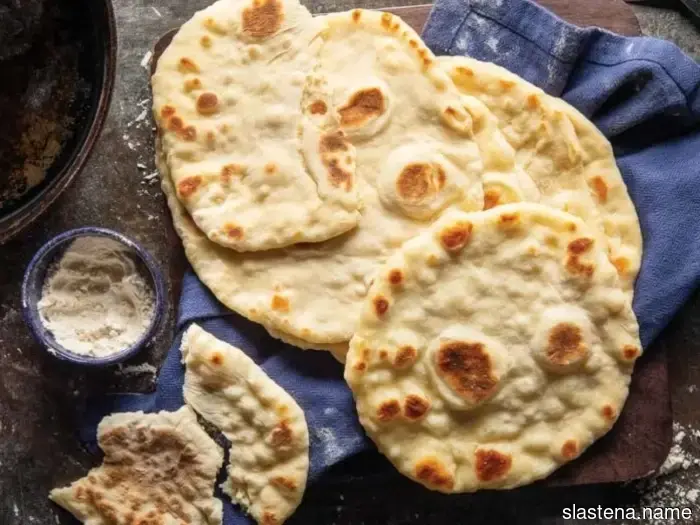 Greek Pita Bread - Baked from Scratch
Greek flatbread, known as pita, is distinct for its dimples and absence of a hollow pocket, and it only needs a few basic ingredients.
Greek Pita Bread - Baked from Scratch
Greek flatbread, known as pita, is distinct for its dimples and absence of a hollow pocket, and it only needs a few basic ingredients.
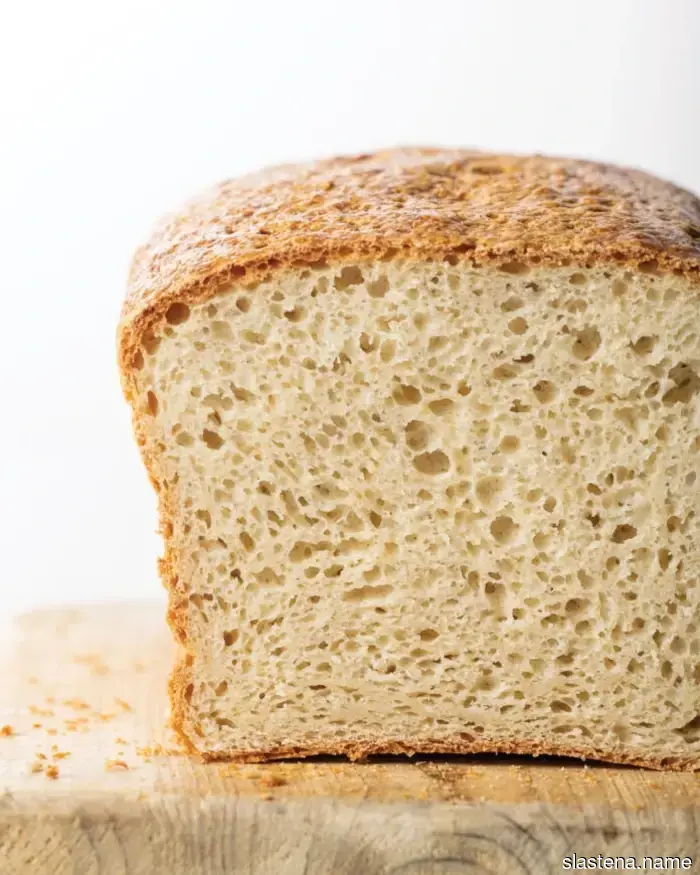 Gluten-Free Sandwich Bread - Bake from Scratch
This gluten-free sandwich bread is soft, robust, and ideal for your preferred fillings. Its light texture supports spreads, meats, and vegetables exceptionally well.
Raspberry-Oat Thumbprint Cookies - Bake from Scratch
Infuse your baking with a sense of nostalgia using these Raspberry-Oat Thumbprints prepared with Bonne Maman® Raspberry Fruit Spread.
Gluten-Free Sandwich Bread - Bake from Scratch
This gluten-free sandwich bread is soft, robust, and ideal for your preferred fillings. Its light texture supports spreads, meats, and vegetables exceptionally well.
Raspberry-Oat Thumbprint Cookies - Bake from Scratch
Infuse your baking with a sense of nostalgia using these Raspberry-Oat Thumbprints prepared with Bonne Maman® Raspberry Fruit Spread.
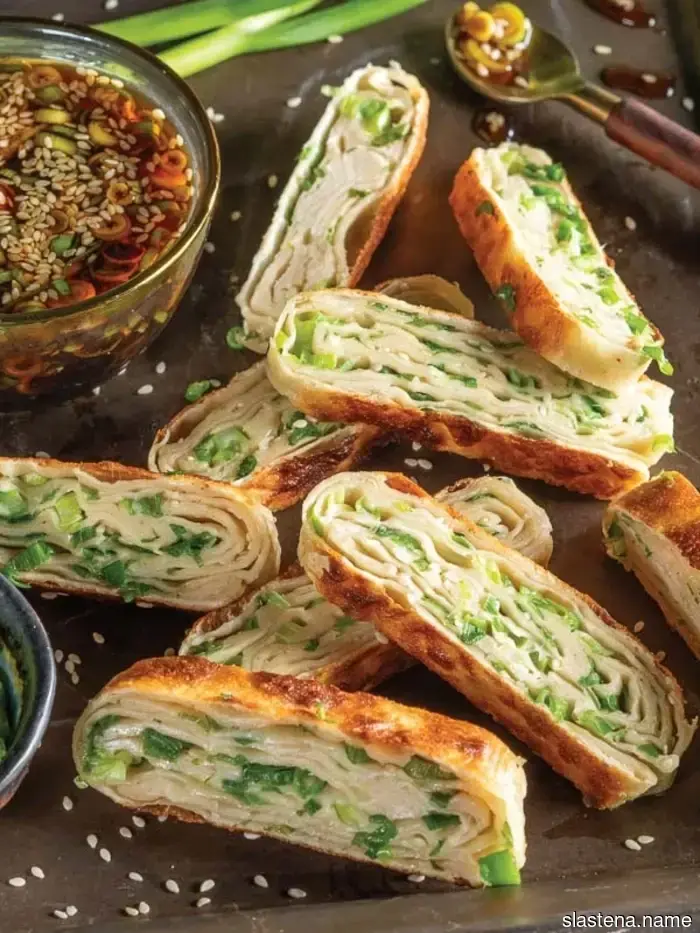 9-Layer Chinese Scallion Pancakes - Bake from Scratch
This scallion pancake recipe yields a pancake that pairs perfectly with a hot soup, makes for an excellent Chinese weekend brunch, or satisfies any craving for a savory treat.
9-Layer Chinese Scallion Pancakes - Bake from Scratch
This scallion pancake recipe yields a pancake that pairs perfectly with a hot soup, makes for an excellent Chinese weekend brunch, or satisfies any craving for a savory treat.
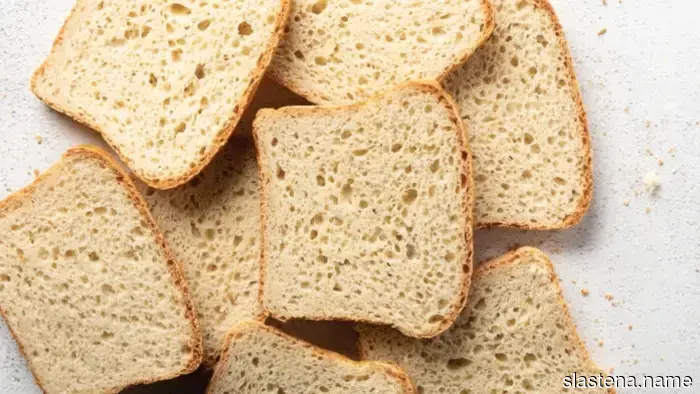 Incredible Gluten-Free Breads - Bake from Scratch
Whether you have gluten sensitivity, celiac disease, or just want to expand your baking repertoire, these breads are guaranteed to delight.
Incredible Gluten-Free Breads - Bake from Scratch
Whether you have gluten sensitivity, celiac disease, or just want to expand your baking repertoire, these breads are guaranteed to delight.
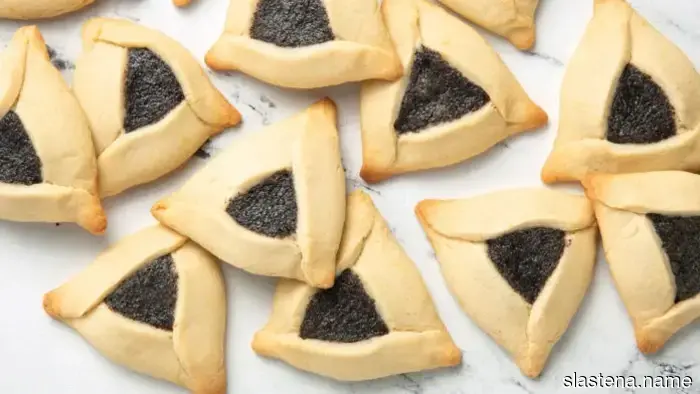 From the Pantry: Poppy Seeds - Baking from Scratch
Along the Danube River, poppy seeds have become intertwined with the history of European cuisine, infusing each bite with a hint of enduring tradition.
From the Pantry: Poppy Seeds - Baking from Scratch
Along the Danube River, poppy seeds have become intertwined with the history of European cuisine, infusing each bite with a hint of enduring tradition.
Greek Pita Bread - Bake from Scratch
Greek flatbread, referred to as pita, is distinctive for its dimples and absence of a hollow pocket, and it only needs a few basic ingredients.