
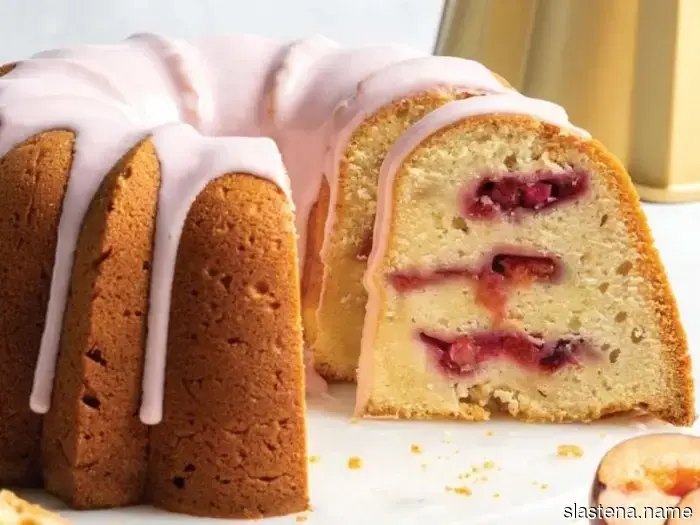
Honey-Poached Plumcot Cake - A Recipe from Bake from Scratch
Plumcots—a blend of apricots and plums, featuring a subtle apricot taste and vibrant plum hue—are a stone fruit that comes into season in early May. They have a short period of availability from late spring to mid-July, and this cake takes advantage of their optimal ripeness by incorporating pockets of aromatic fruit simmered in wine and honey throughout the buttery cake.
Yields 1 (15-cup) Bundt cake
- 1½ cups (340 grams) unsalted butter, softened
- 3 cups (600 grams) granulated sugar*
- 4 large eggs (200 grams), at room temperature
- 1 large egg white (30 grams), at room temperature
- 5 cups (625 grams) plus 2 tablespoons (16 grams) all-purpose flour, divided
- 2½ teaspoons (7.5 grams) kosher salt
- 1½ teaspoons (7.5 grams) baking powder
- 1 teaspoon (2 grams) ground cardamom
- 1¾ cups (420 grams) whole buttermilk, at room temperature
- 2½ teaspoons (15 grams) vanilla bean paste
- Honey-Poached Plumcots (recipe below), chopped
- 1½ cups (180 grams) confectioners’ sugar
- 3 tablespoons plus 1 teaspoon (50 grams) reserved poaching liquid from Honey-Poached Plumcots
Preheat the oven to 325°F (170°C). In the bowl of a stand mixer fitted with a paddle attachment, cream the butter and granulated sugar on medium speed until light and fluffy, about 5 minutes, stopping to scrape the bowl's bottom and sides. Add the eggs and egg white one by one, mixing well after each addition.
In a large bowl, whisk together 5 cups (625 grams) of flour, salt, baking powder, and cardamom. In a small bowl, combine the buttermilk and vanilla bean paste. With the mixer on low speed, alternately add the flour mixture and buttermilk mixture to the butter mixture, starting and ending with the flour mixture, mixing just until combined after each addition.
In a separate medium bowl, toss the Honey-Poached Plumcots with the remaining 2 tablespoons (16 grams) of flour to coat.
Spray a 15-cup Bundt pan with flour baking spray. Spoon one-fourth of the batter (about 2½ cups or 558 grams) into the prepared pan, smoothing it out with an offset spatula. Firmly tap the pan on a kitchen towel-lined counter several times to remove any air bubbles. Sprinkle one-third of the plumcot mixture (about ⅔ cup or 147 grams) over the batter in the pan, making sure the fruit is about ¼ inch away from the pan’s sides. Repeat the layers of batter and plumcots two more times, finishing with the remaining batter and spreading it smoothly.
Bake until a wooden pick inserted near the center comes out clean and an instant-read thermometer inserted near the center reads at least 205°F (96°C), for 1 hour and 45 minutes to 2 hours. Allow to cool in the pan on a wire rack for 10 minutes. Invert the cake onto a wire rack and let it cool completely.
In a small bowl, whisk together the confectioners’ sugar and poaching liquid until smooth; drizzle over the cooled cake. Store in an airtight container in the refrigerator for up to 3 days.
We'd love to hear your feedback!
Honey-Poached Plumcots
Yields approximately 2 cups
- 1¼ pounds (566 grams) ripe but firm plumcots, halved and pitted
- 1½ cups (360 grams) dry white wine
- 1 cup (336 grams) honey
In a medium saucepan, combine all ingredients and bring to a boil over medium-high heat, stirring occasionally. Lower the heat and simmer until the fruit is just tender, about 8 to 10 minutes. Remove the plumcots with a slotted spoon and let them cool completely on a wire rack. Allow the poaching liquid to cool completely.
PRO TIP: Keep any leftover poaching liquid—it’s delightful and can last for several weeks in the refrigerator. Drizzle it over ice cream, yogurt, or fresh berries; mix it into iced tea or lemonade; or incorporate it into a cocktail.
We'd love to hear your feedback!
Other articles
 Baking School Comprehensive Guide: Sacher-Torte - Bake from Scratch
Sacher-Torte, a classic from Vienna, Austria, dating back to 1832, was invented by Franz Sacher for Prince Metternich and has since evolved into a lasting emblem of sophistication.
Baking School Comprehensive Guide: Sacher-Torte - Bake from Scratch
Sacher-Torte, a classic from Vienna, Austria, dating back to 1832, was invented by Franz Sacher for Prince Metternich and has since evolved into a lasting emblem of sophistication.
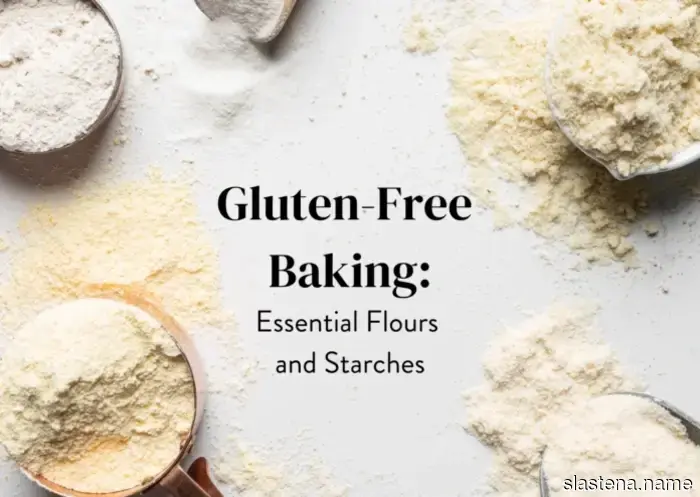 Gluten-Free Baking: Key Flours and Starches - Bake from Scratch
The director of our test kitchen details the essential components that contribute to successful gluten-free baking and the optimal ways to use them.
Gluten-Free Baking: Key Flours and Starches - Bake from Scratch
The director of our test kitchen details the essential components that contribute to successful gluten-free baking and the optimal ways to use them.
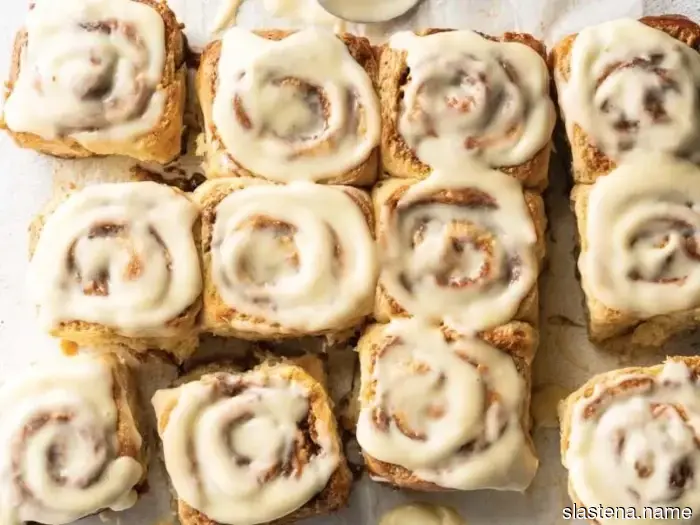 Gluten-Free Cinnamon Rolls - A Recipe from Scratch
Soft, gooey, and perfectly spiced, you would never guess that this breakfast staple is gluten-free.
Gluten-Free Cinnamon Rolls - A Recipe from Scratch
Soft, gooey, and perfectly spiced, you would never guess that this breakfast staple is gluten-free.
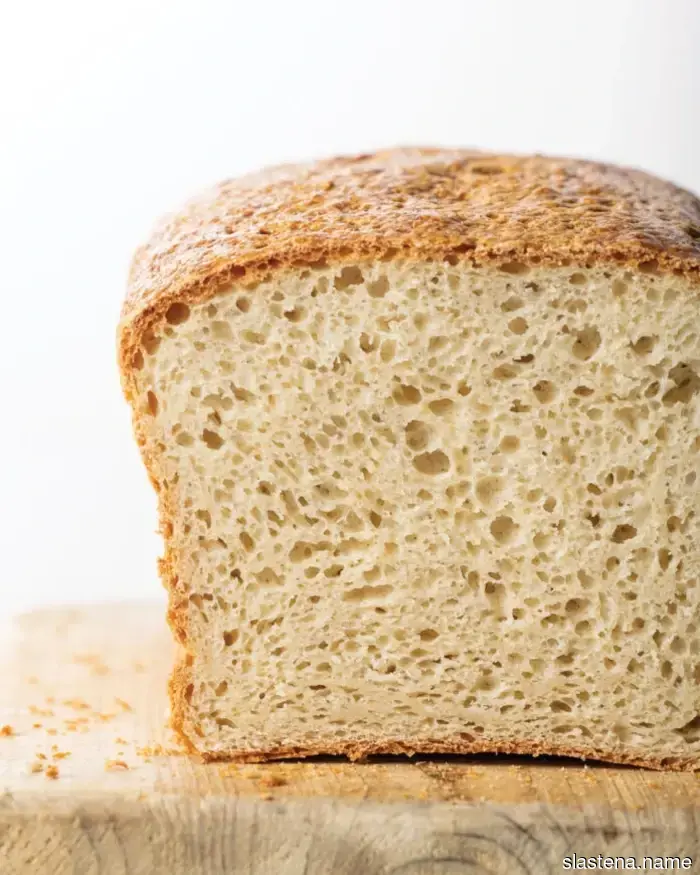 Gluten-Free Sandwich Bread - From Scratch Baking
This gluten-free sandwich bread is resilient, soft, and ideal for your preferred fillings. Its light texture supports spreads, meats, and vegetables wonderfully.
Gluten-Free Sandwich Bread - From Scratch Baking
This gluten-free sandwich bread is resilient, soft, and ideal for your preferred fillings. Its light texture supports spreads, meats, and vegetables wonderfully.
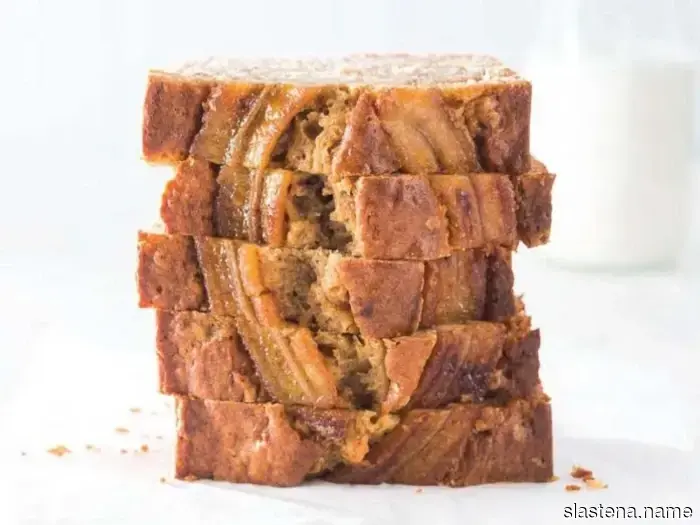 Gluten-Free Caramelized Banana Bread - Preparing from Scratch
Banana bread is a favorite among many, but this caramelized, gluten-free version stands out as one of our finest accomplishments.
Gluten-Free Caramelized Banana Bread - Preparing from Scratch
Banana bread is a favorite among many, but this caramelized, gluten-free version stands out as one of our finest accomplishments.
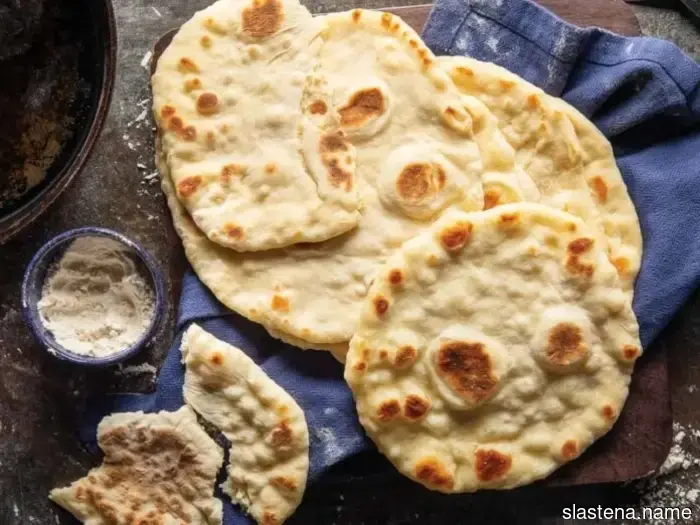 Greek Pita Bread - From Scratch Bake
Pita, the Greek flatbread, is distinctive for its dimples and absence of a hollow pocket, and it only needs a few basic ingredients.
Greek Pita Bread - From Scratch Bake
Pita, the Greek flatbread, is distinctive for its dimples and absence of a hollow pocket, and it only needs a few basic ingredients.
Honey-Poached Plumcot Cake - A Recipe from Bake from Scratch
Plumcots, a blend of apricots and plums featuring a subtle apricot taste and vibrant plum hue, are a stone fruit that becomes available in early May. Their availability is short-lived, spanning from late spring to mid-July. This cake makes the most of their optimal ripeness by incorporating aromatic wine- and