
The Origins of a Classic: Tunnel of Fudge - Bake from Scratch
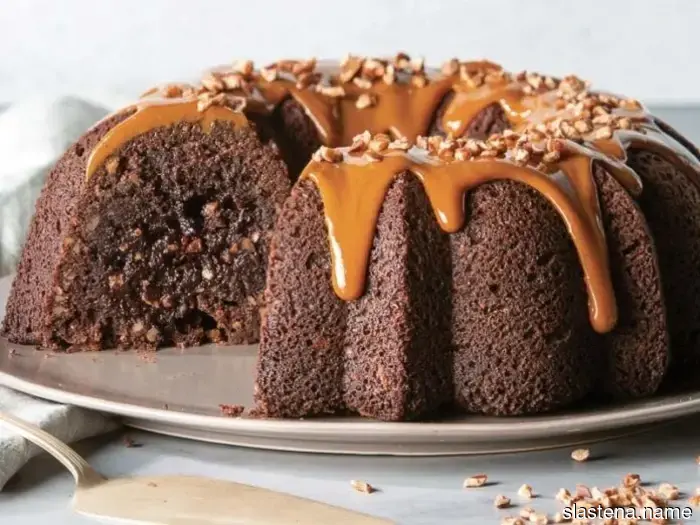
With its luscious, gooey interior, it's no wonder the Tunnel of Fudge cake gained fame. Although it didn't secure first place at the Pillsbury Bake-Off® Contest in 1966—coming in second—Ella Helfrich's chocolate creation captured the hearts and kitchens of bakers throughout the United States.
The Pillsbury Bake-Off® Contest, initially known as the Grand National Recipe and Baking Contest, commenced in 1949 to commemorate the 80th anniversary of the Pillsbury family and to promote their flour brand. Bakers from across the nation sent in their recipes, but only 100 fortunate bakers were chosen for a chance to win $25,000—equivalent to over $315,000 today! These bakers were flown to New York City to compete at the Waldorf-Astoria hotel, a challenging task since, in 1949, the hotel could not accommodate 100 ovens and baking stations and had to utilize the city subway's electrical system for power. The contest was so eagerly awaited that even former First Lady Eleanor Roosevelt attended to assist with the event and present awards afterward. The Bake-Off® became a colossal success, evolving into an annual tradition that attracted participants from around the country, each hoping to win the cash prize or simply to replicate the winning recipe. At the 1966 Bake-Off®, one contestant would achieve second place, but her recipe would become a lasting favorite in cookbooks and recipe cards among bakers everywhere.
Ella Helfrich, a home baker from Texas, joined the 1966 Pillsbury Bake-Off® Contest equipped with her Bundt pan and a recipe that would overshadow the first-place winner. The cake, studded with walnuts, was rich and chocolaty and, most importantly, featured a river of fudge running through its center. With no clear explanation for the fudgy center or the unique pan used by Helfrich, the Tunnel of Fudge became a tantalizing mystery that many were eager to solve. Shortly after the winners were revealed, Pillsbury received over 200,000 letters requesting Ella’s recipe and details about the pan she used.
At the time, Bundt pans were not common kitchen items. In fact, the term “Bundt” only emerged after the founding of Nordic Ware and the creation of the Bundt pan. Founded in 1946 by Dotty and Dave Dalquist in Minnesota, Nordic Ware began marketing Scandinavian cookware from the couple's basement. The Bundt pan was designed as a lightweight aluminum version of a cast-iron gugelhupf pan (gugelhupf, or kugelhopf, is a German yeast cake also referred to as bundkuchen). The pan's distinctive tube shape facilitates even baking, while its fluted edges lend an elegant touch and make the cake easy to slice and serve. Ella and her inventive cake catapulted this fashionable pan to fame, and soon the Bundt pan became an essential item in every baker’s kitchen. Following the Bake-Off® competition, the Dalquists received a deluge of requests for their pan and had to run their factory around the clock to meet the demand.
Pillsbury maintained Ella’s original recipe without alterations until the mid-1980s, when one of its key ingredients, Double Dutch Frosting Mix, was discontinued. Without it, recreating the recipe became impossible, leading to frustration among fans of Ella’s cake. Pillsbury received a barrage of complaints until they modified the recipe to include a substitution of confectioners’ sugar and cocoa powder, although some maintained that it did not achieve the same outcome as the original. The discontinuation of the frosting mix compelled and inspired bakers to add their personal touch to the cake, though achieving the fudgy center remained a challenging endeavor—the cake demands exact precision in following each step as written, as any error could lead to a collapsed or fudge-less disaster.
The allure of the cake resides in its oozy center, which requires an almost two-hour cooling period in the pan before being removed onto a cooling rack. This waiting phase allows the cake's walls surrounding the tunnel to firm up and retain the fudge inside. If the cake is taken out of the pan prematurely, the walls may split, resulting in a collapsed fudge heap. The batter is comparable to brownie batter, containing a higher proportion of fat and sugar relative to flour than a standard cake; this ensures it doesn’t bake entirely through, leaving a delicious, gooey middle. A crucial factor of the cake is that the nuts provide the structural support needed for the tunnel; without them, the dense cake would collapse under its soft inner weight.
The enduring impact of Ella’s famed Tunnel of Fudge exceeds merely boosting sales at Nordic Ware and generating strong demand for her recipe. Nordic Ware and Pillsbury collaborated on a boxed cake mix designed specifically for Bundt pans. Featuring all the flavors any home baker could desire, these boxed mixes remained popular well into the 1990s. While it's not easy to find these
Otros artículos
 Comprehensive Baking Course: Blueberry Crumble Tart - Bake from Scratch
This Blueberry Crumble Tart looks rustic, boasts a refined flavor, and provides a deeply satisfying experience that only the finest home baking can offer.
Comprehensive Baking Course: Blueberry Crumble Tart - Bake from Scratch
This Blueberry Crumble Tart looks rustic, boasts a refined flavor, and provides a deeply satisfying experience that only the finest home baking can offer.
 The Basics: Hand Pies - Bake from Scratch
 Roasted Strawberry and Ricotta Cake - A Recipe from Bake from Scratch
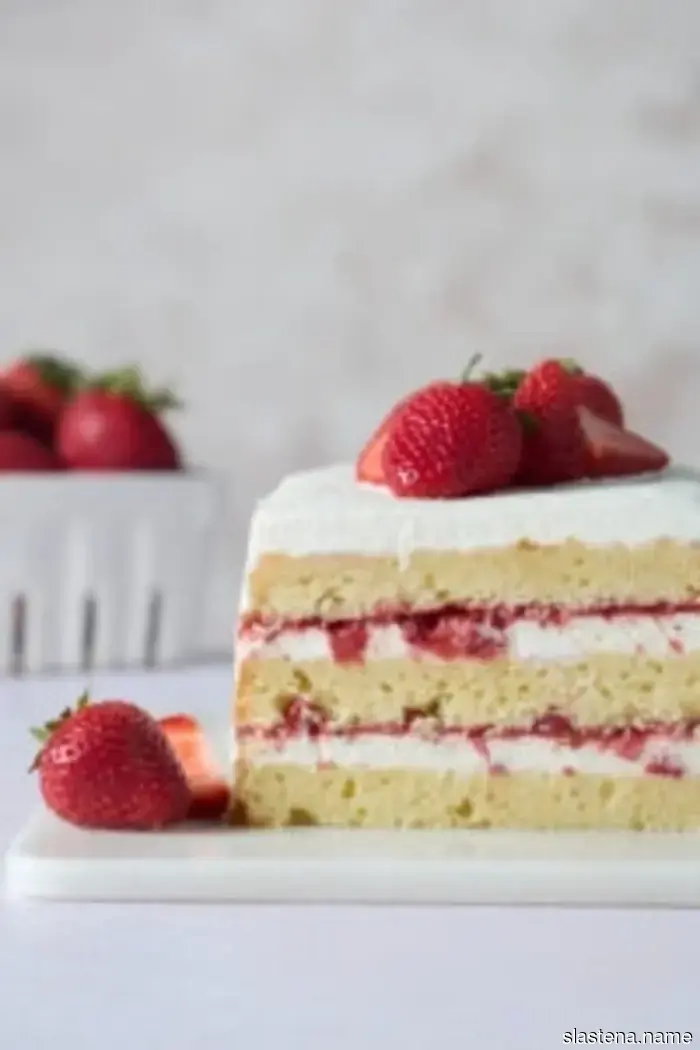
This Roasted Strawberry and Ricotta Cake is a multi-layered dessert that fuses the creamy richness of BelGioioso® Ricotta con Latte® Cheese with the sweet depth of strawberries roasted in the oven. Finished with whipped mascarpone and fresh berries, it’s a vibrant and tasty delight ideal for spring and summer events. Roasted Strawberry and Ricotta Cake Yields 1 (9x5-inch) cake.
Roasted Strawberry and Ricotta Cake - A Recipe from Bake from Scratch
This Roasted Strawberry and Ricotta Cake is a multi-layered dessert that fuses the creamy richness of BelGioioso® Ricotta con Latte® Cheese with the sweet depth of strawberries roasted in the oven. Finished with whipped mascarpone and fresh berries, it’s a vibrant and tasty delight ideal for spring and summer events. Roasted Strawberry and Ricotta Cake Yields 1 (9x5-inch) cake.
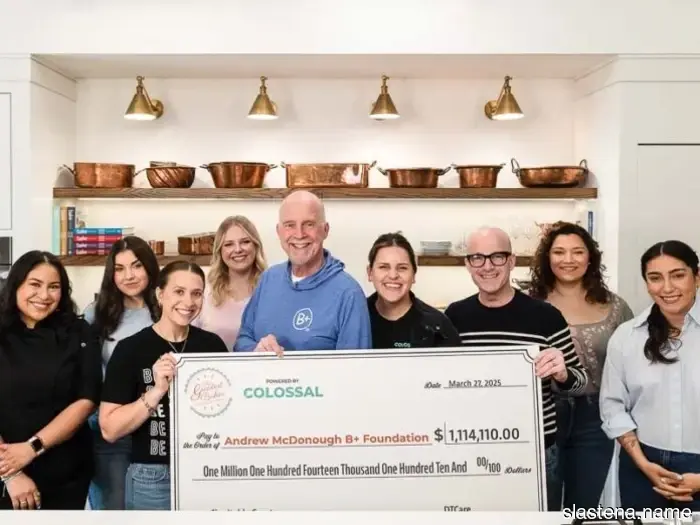 Introducing the 2024 Top Bakers - Bake from Scratch
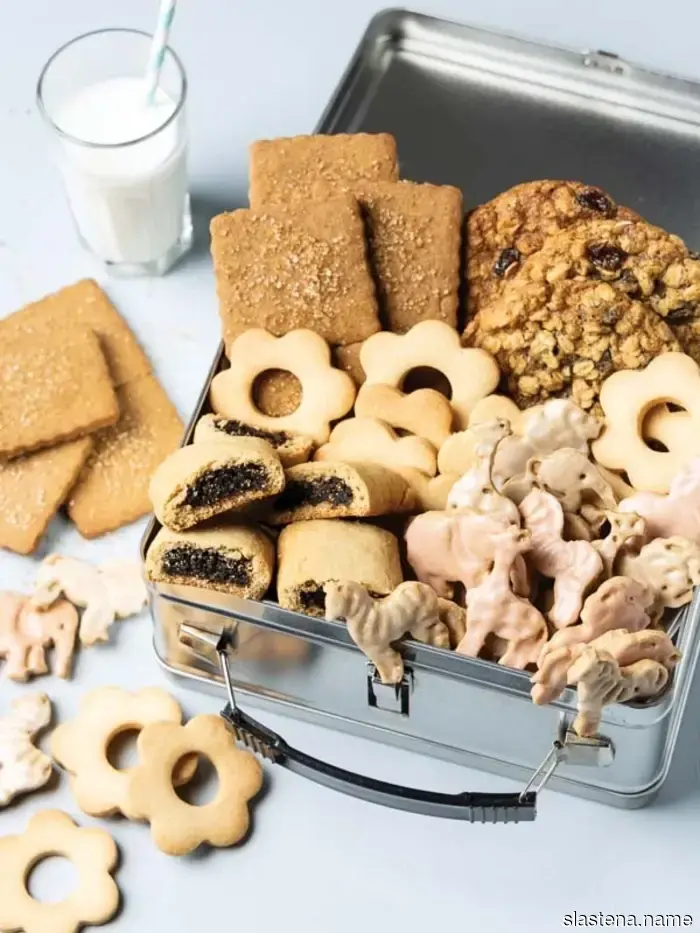 Throwback Cookies - A Recipe from Scratch
Contemporary interpretations of the nostalgic cookies we enjoyed in our childhood—ideal for evoking cherished memories with each bite.
Throwback Cookies - A Recipe from Scratch
Contemporary interpretations of the nostalgic cookies we enjoyed in our childhood—ideal for evoking cherished memories with each bite.
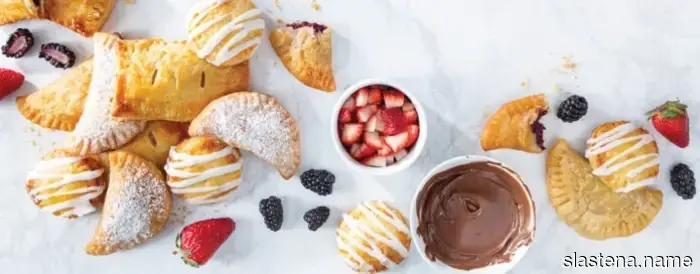 The Essentials: Hand Pies - Bake from Scratch
The Origins of a Classic: Tunnel of Fudge - Bake from Scratch
Given its decadent, creamy interior, it's easy to see why the Tunnel of Fudge cake gained popularity. Although it secured second place at the Pillsbury Bake-Off® Contest in 1966, rather than first, Ella Helfrich’s chocolate masterpiece captured the affection and kitchens of bakers throughout the United States. The Pillsbury Bake-Off® Contest, initially known as the Grand