
Baking School Detailed Guide: Castella Cake - Bake from Scratch
The unique texture of Castella relies on careful aeration, precise starch measurements, and gentle heating. Each ingredient has a specific structural role—minor changes can significantly impact the outcome.
DEMERARA SUGAR: Layered at the bottom of the pan, demerara sugar consists of large, slow-dissolving crystals that partially melt during baking, creating a thin, sticky crust beneath the cake. This layer adds a textural contrast and serves as a localized moisture barrier at the loaf's base. Its higher molasses content also promotes gentle caramelization without burning at the relatively low baking temperature of Castella.
EGGS: Eggs serve as the main structural component. When gently warmed with sugar, the proteins in the eggs start to denature, enabling them to capture air more effectively during whipping. This foam gradually sets during baking, resulting in Castella’s delicate, custard-like crumb instead of a coarse sponge. Using eggs at room temperature ensures even emulsification and consistent volume.
GRANULATED SUGAR: Sugar helps stabilize the egg foam by delaying protein coagulation, allowing the mixture to expand before it sets. During baking, it retains moisture and adds to Castella's characteristic sheen. Completely dissolving the sugar during the warming whisking phase is crucial; any undissolved crystals can destabilize the foam and lead to an inconsistent texture.
HONEY (CLASSIC VERSION): Honey is hygroscopic, meaning it draws in and holds onto moisture. This characteristic keeps Castella moist over time and gives the crumb its soft elasticity. Honey also adds a mild acidity that subtly strengthens the egg foam and enhances surface gloss. Diluting it with hot water lowers its viscosity, ensuring it mixes evenly without deflating the batter.
LIGHT CORN SYRUP (CHOCOLATE VERSION): Corn syrup serves as a substitute for honey, providing moisture retention and structural support without altering the flavor profile. Its glucose content prevents crystallization, helping to maintain a smooth crumb and clean sweetness that allows the cocoa flavor to take center stage.
HOT WATER: When combined with honey or corn syrup, hot water decreases viscosity and ensures the sweetener blends smoothly into the egg foam. Using simmering water from the bain-marie maintains temperature consistency, preventing the batter from cooling and losing volume.
BREAD FLOUR: Bread flour is essential for providing structure in this otherwise light, foam-based cake. Its higher protein content supports Castella’s tall rise and allows for repeated stirring without collapsing. The strength of the flour is vital—if too weak, the cake may compress or sink after baking; if too strong, the crumb can become overly tight.
POTATO STARCH (CLASSIC VERSION): Potato starch softens the crumb by reducing gluten formation and binding water effectively. Its larger granules swell easily during baking, contributing to Castella’s smooth, custard-like texture. The balance between bread flour and starch is what sets Castella apart from Western sponge cakes.
DUTCH PROCESS COCOA POWDER (CHOCOLATE VERSION): Dutch process cocoa is treated with an alkalizing agent, which decreases acidity and minimizes destabilization of the foam. It absorbs moisture readily, making precise hydration and sugar balance crucial to avoiding dryness while ensuring a fine, even crumb.
KOSHER SALT: Salt slightly tightens the protein structure, resulting in a finer crumb, and enhances sweetness. In chocolate Castella, it also intensifies the cocoa flavor, preventing the cake from tasting flat.
Other articles
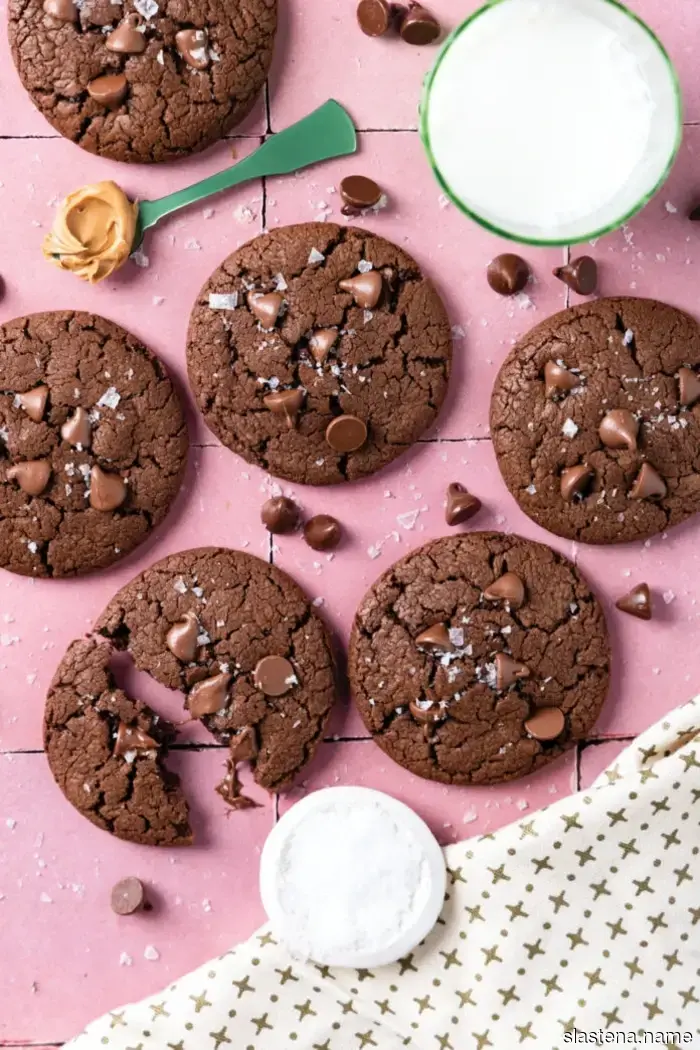 Salted Chocolate-Peanut Butter Crinkle Cookies - A Recipe from Scratch
We mixed two types of chocolate with smooth peanut butter to form a distinctive dough, which is then finished with gooey milk chocolate chips and a dash of flaked salt to amplify the cookie's sweetness.
Salted Chocolate-Peanut Butter Crinkle Cookies - A Recipe from Scratch
We mixed two types of chocolate with smooth peanut butter to form a distinctive dough, which is then finished with gooey milk chocolate chips and a dash of flaked salt to amplify the cookie's sweetness.
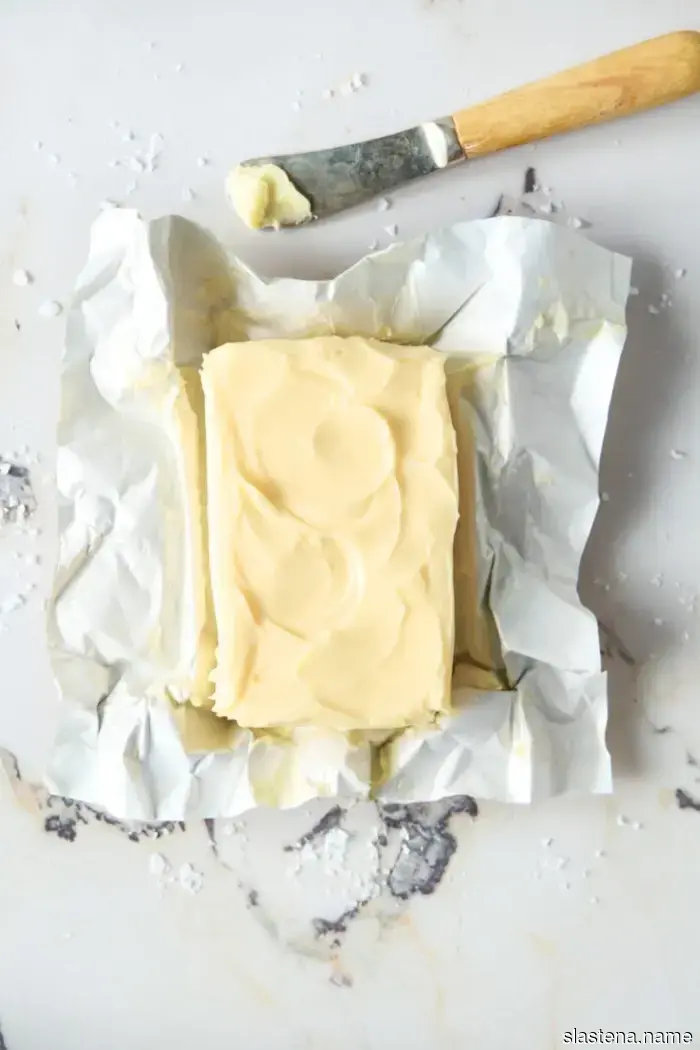 Breton Baking - Prepare From Scratch
While we usually opt for unsalted butter to manage the salt levels in a recipe, we’re more than willing to use salted butter for making these Breton pastries.
Breton Baking - Prepare From Scratch
While we usually opt for unsalted butter to manage the salt levels in a recipe, we’re more than willing to use salted butter for making these Breton pastries.
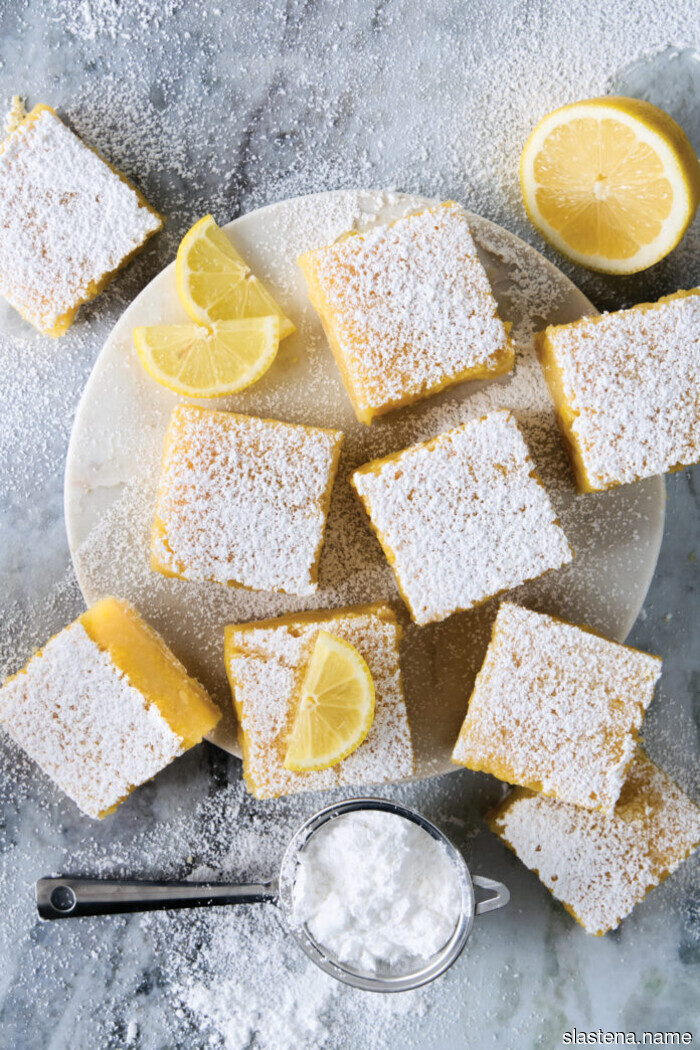 Traditional Lemon Bars - Bake from Scratch
Lemons are at their best during winter, as the combination of sunny days and chilly nights provides the perfect environment to enhance the color and taste of citrus fruits. Meyer lemons can also be used in these lemon bars without changing any measurements. Classic Lemon Bars Crust: 1½ cups (188 grams) all-purpose flour, ⅓ cup (40 grams) confectioners’ sugar, ½ teaspoon.
Baking School Comprehensive Guide: Castella Cake - Bake from Scratch
Castella, also known as kasutera, is one of those seemingly straightforward cakes that surprises you with its minimal ingredient list and the substantial reward it provides.
Traditional Lemon Bars - Bake from Scratch
Lemons are at their best during winter, as the combination of sunny days and chilly nights provides the perfect environment to enhance the color and taste of citrus fruits. Meyer lemons can also be used in these lemon bars without changing any measurements. Classic Lemon Bars Crust: 1½ cups (188 grams) all-purpose flour, ⅓ cup (40 grams) confectioners’ sugar, ½ teaspoon.
Baking School Comprehensive Guide: Castella Cake - Bake from Scratch
Castella, also known as kasutera, is one of those seemingly straightforward cakes that surprises you with its minimal ingredient list and the substantial reward it provides.
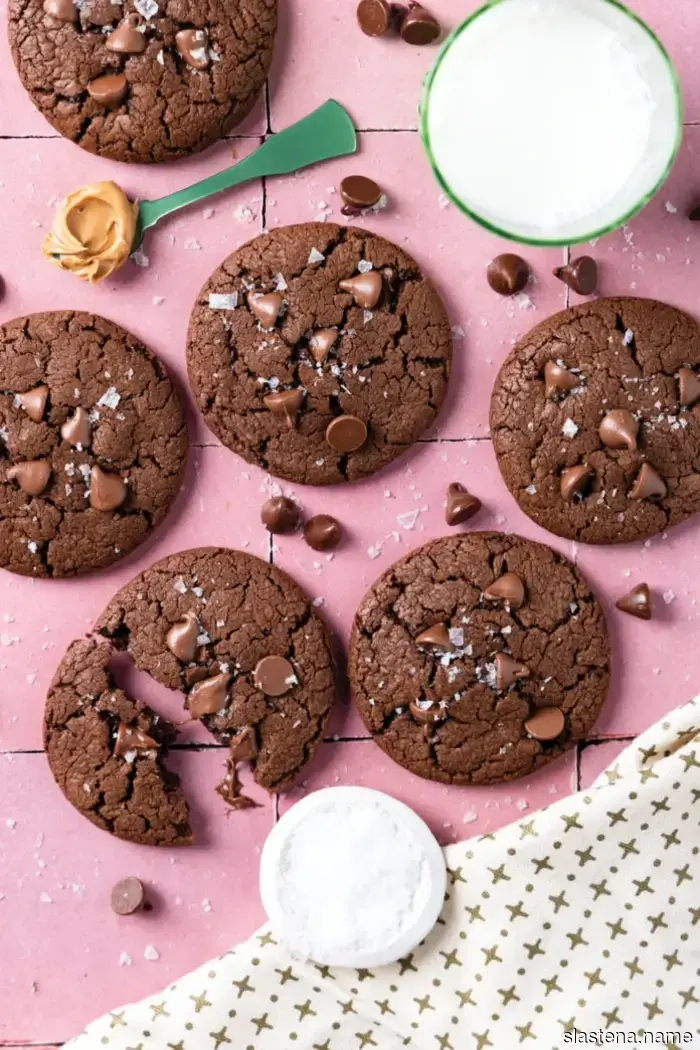 Salted Chocolate-Peanut Butter Crinkle Cookies - Bake from Scratch
We mixed two types of chocolate with smooth peanut butter to form a distinctive dough, which is finished with melted milk chocolate chips and a dash of flaked salt to elevate the cookie's sweetness.
Salted Chocolate-Peanut Butter Crinkle Cookies - Bake from Scratch
We mixed two types of chocolate with smooth peanut butter to form a distinctive dough, which is finished with melted milk chocolate chips and a dash of flaked salt to elevate the cookie's sweetness.
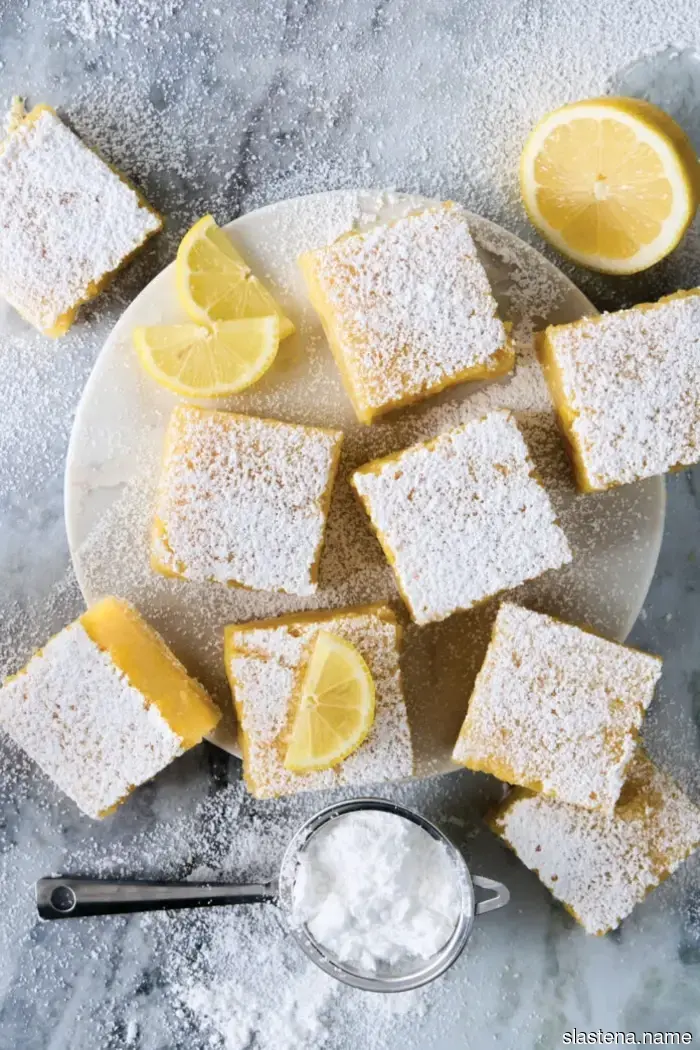 Classic Lemon Bars - Bake from Scratch
Lemons are at their best during winter, as the combination of sunny days and chilly nights enhances the flavor and color of citrus fruits. Meyer lemons can also be utilized in these lemon bars without any adjustments to the measurements. Classic Lemon Bars Crust: 1½ cups (188 grams) all-purpose flour, ⅓ cup (40 grams) powdered sugar, ½ teaspoon
Classic Lemon Bars - Bake from Scratch
Lemons are at their best during winter, as the combination of sunny days and chilly nights enhances the flavor and color of citrus fruits. Meyer lemons can also be utilized in these lemon bars without any adjustments to the measurements. Classic Lemon Bars Crust: 1½ cups (188 grams) all-purpose flour, ⅓ cup (40 grams) powdered sugar, ½ teaspoon
Baking School Detailed Guide: Castella Cake - Bake from Scratch
Castella, also known as kasutera, is one of those seemingly straightforward cakes that surprise you with their minimal demands and the generous rewards they offer.