

Rose Levy Beranbaum: Weigh to Bake - Baking Made Simple
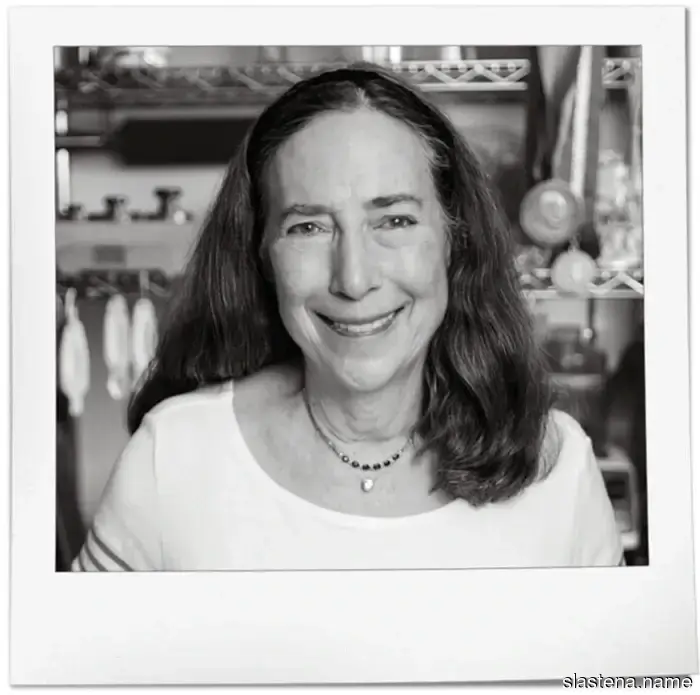
Photo by Matthew Septimus
I believe my most significant contribution to the baking community is providing weight measurements for all the essential ingredients.
By Rose Levy Beranbaum
My cookbook, The Cake Bible, which was first released in 1988, was the first American cookbook to include weights. Today, most baking books prioritize weight as the main method of measurement, though many publishers still prefer to list volume first for a more “user-friendly” approach. A special mention goes to Bake from Scratch for including the weights of egg yolks and whites, as these can vary significantly.
A cook needs to continuously taste, test, assess, and adjust based on ingredient variations. Conversely, a baker uses ingredients like flour, sugar, baking powder, liquid, and butter, which are typically much more consistent. The differences in baking outcomes stem more from how ingredients are measured than from the mixing process. Using scales can resolve this issue. If flour is measured by volume, it could result in having up to 1.75 times more than necessary, and once that leads to dryness and a dense texture, it cannot be corrected. We bakers are precise individuals who enjoy adhering to rules and formulas if it means achieving reproducible perfection. The rewards of this discipline extend beyond just sensory enjoyment; there's a sense of magic and alchemy in starting with ingredients that bear no resemblance to the delightful final product.
Any baking enthusiast cherishes the use of scales. Weighing ingredients is not only reassuring but also significantly quicker than measuring by volume, with much less cleanup required. Think about how much simpler it is to scoop cocoa or powdered sugar, with their inevitable lumps, into a bowl for weighing rather than trying to measure a level cup with a light spooning. I wouldn’t even consider how tightly to pack brown sugar into a cup when I can just weigh it instantly. Additionally, it’s far more pleasant to weigh a greasy substance like vegetable shortening instead of smearing it into a measuring cup or to weigh sticky corn syrup or honey. Most scales allow you to subtract (tare) the weight of the bowl, making it possible to directly add dry ingredients into the mixing bowl, thus eliminating the need for separate bowls for each ingredient. This also means there is no requirement to sift the flour or combine the dry ingredients separately.
An additional advantage of weighing is the simplicity of adjusting recipes up or down. Occasionally, I’ll finish a batter or dough and suddenly question whether I added a certain ingredient. To check, I just weigh the final batter. If it’s less than the total weight of the recipe, my concerns are validated, and I can identify which ingredient is missing. Here are my guidelines for converting your favorite recipes to weight: 1 cup sifted bleached cake flour = 100 grams, 1 cup all-purpose flour lightly spooned into the cup = 121 grams, 1 cup granulated sugar = 200 grams, 1 cup light brown sugar, firmly packed = 217 grams, 1 large egg yolk = 20 grams, 1 large egg white = 30 grams.
Find Rose’s Reduction Spatula here.

Rose Levy Beranbaum: Weigh to Bake - Baking Made Simple
I believe my most significant contribution to the baking community is providing weight measurements for all the key ingredients. By Rose Levy Beranbaum. My cookbook, The Cake Bible, which was first released in 1988, was the inaugural American cookbook to include weights. Today, most baking books use weights as the main measurement method, although many still...