

Quick Baking Tips - Bake from Scratch
A frequently mentioned critique of baking (if there even is one!) is that it requires an excessive amount of time. You spend hours in the kitchen measuring, mixing, and baking, only to have the end result consumed within minutes. For many of us, this effort is rewarding. It allows you to immerse yourself in a project that will bring joy to everyone. Nevertheless, every baker faces a time crunch, which is where a reliable quick-fix recipe comes into play.
What defines a quick-fix recipe? At Bake from Scratch, we consider recipes that take roughly two hours from start to finish, factoring in some cooling time as well. Quick-fix recipes utilize simple methods and typical tools and ingredients that are often already available in a well-stocked baker's kitchen. When we create quick-fix recipes in our test kitchen, our goal is to minimize the active time involved, allowing you to step away for a moment even if there's a lengthy bake or cool time. We also aim for stir-together recipes whenever feasible, though some specialized equipment, such as a food processor, may also expedite the process.
Even if you occasionally find yourself pressed for time, you can still create beautiful confections without spending excessive time in the kitchen. Here are some pointers for maximizing a quick-fix recipe and enhancing your efficiency in the kitchen.
Mise en Place
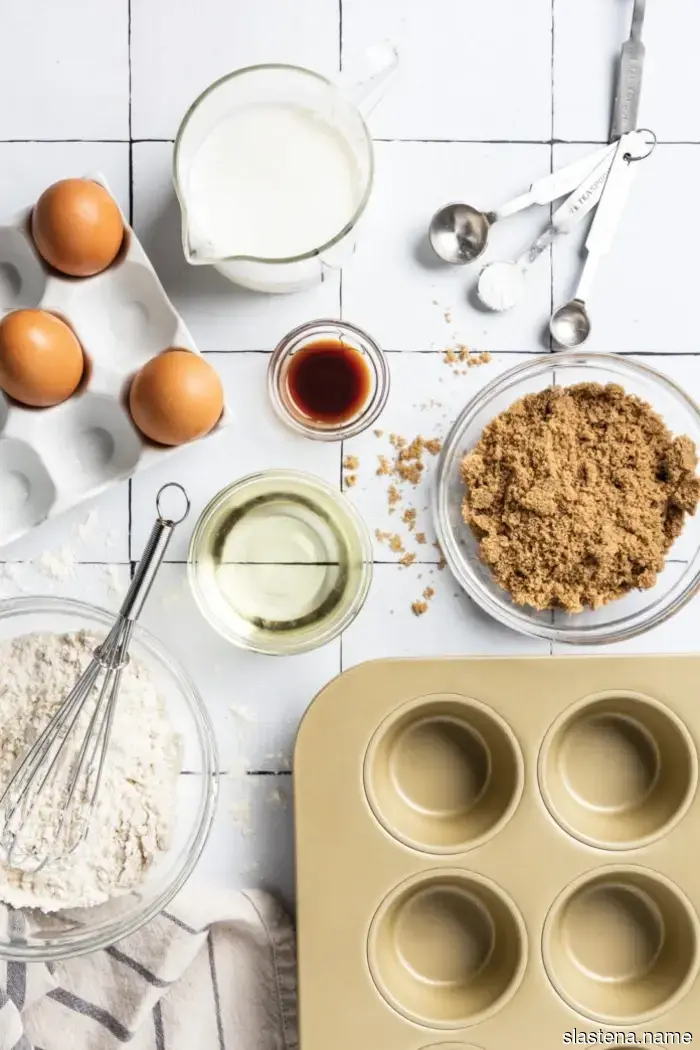
You may recognize this French culinary phrase, which means “everything in its place.” Most chefs use this term when discussing the preparation of all components of a recipe before starting to cook or bake. Gather all necessary equipment, measure and prepare all ingredients, and read through the recipe thoroughly. This approach helps you stay organized, prevents last-minute surprises of missing ingredients, and keeps the recipe progressing smoothly as you combine everything. Once you begin a recipe with a solid mise en place, you'll wonder how you managed without it.
Trust the Scale
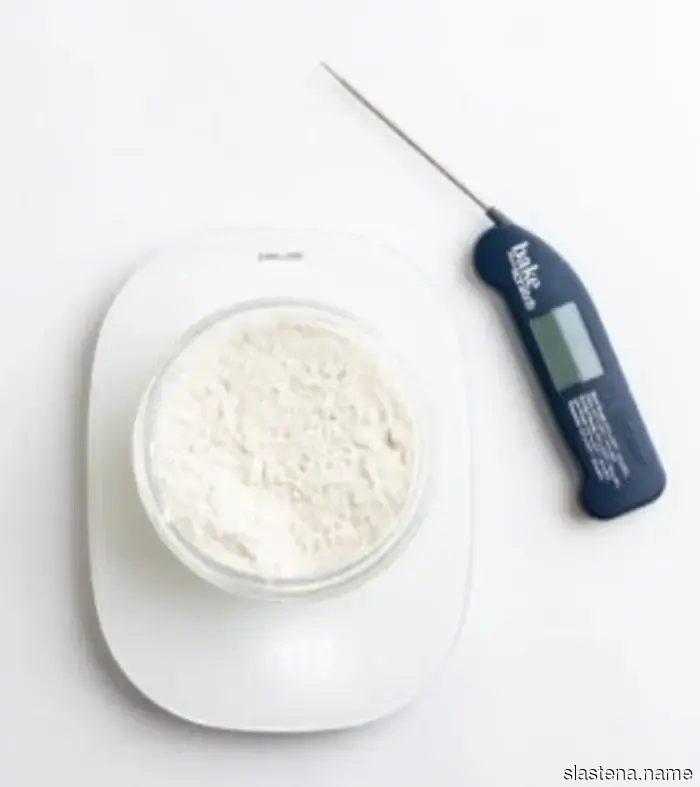
In the Bake from Scratch test kitchen, we develop recipes based on weight. Measuring by weight is not only more precise than measuring by volume, yielding consistent results, but it’s also quicker than using cups and spoons. You can weigh ingredients directly into a bowl on the scale, meaning fewer utensils to clean up afterward. It’s a win-win situation.
We recommend the Zwiling Digital Kitchen Scale.
Temperature Matters
When a recipe instructs an ingredient to be “softened” or “room temperature,” we mean it. But what if your dairy is still in the fridge? You don't have to wait for everything to come to room temperature. Place in-shell eggs in a bowl of warm (not hot) water for 10 to 15 minutes. For butter, measure it, cut it into cubes, and space the pieces apart; the smaller the bits and the more surface area exposed, the faster it will soften. Most dairy products can be gently warmed in a small saucepan over low heat for about a minute while stirring or swirling constantly. Also, be sure to preheat your oven right away—you don’t want a time-sensitive dough or batter to sit and risk deteriorating.
Consider our custom Bake from Scratch Termapen.

Quick Baking Tips - Bake from Scratch
A frequently voiced criticism (if there even should be one!) of baking is that it requires an excessive amount of time. You can spend hours in the kitchen measuring, mixing, and baking, only to have your creation consumed in just a few minutes. For many people, though, that effort is invaluable. It's an opportunity to immerse yourself in a