
From the Pantry: Coffee - Bake with Precision
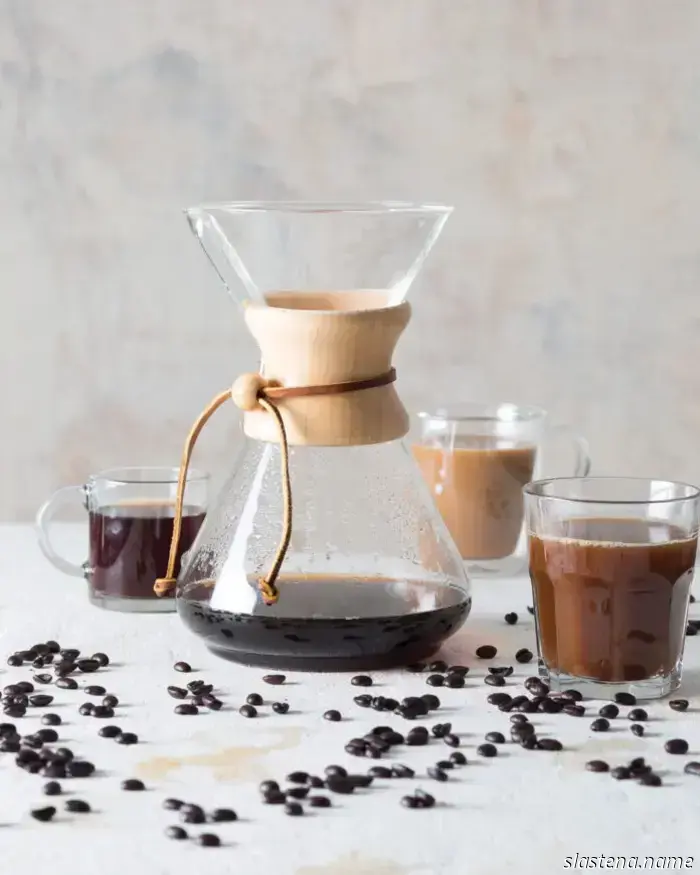
Coffee. Just seeing the word sparks a thrill in your brain, much like that first sip of caffeine, awakening your senses and calling to mind the captivating scent of roasted beans along with its bold, distinctive taste that balances bitterness and acidity. Regardless of whether you enjoy it with cream, sugar, or straight black, it’s likely that you partake in this beverage. This morning staple is among the most favored drinks globally, but for bakers, coffee is more than just a morning pick-me-up; it’s the acidic enhancement for delightful chocolate cakes, a pleasantly bitter touch in sweet banana muffins, and a luxurious soak for spongy ladyfingers in tiramisù. In essence, coffee transforms the baking experience.
For ages, coffee has enriched chocolate desserts with its deep complexity. You can gauge the value of a chocolate cake recipe by looking for ingredients like a sprinkle of espresso powder or a cup of brewed coffee. In-the-know bakers utilize coffee to elevate chocolate flavor—yet the reasoning behind this practice is seldom explained. Some researchers highlight the similarities between cacao and coffee; both originate from beans collected from tropical plants and undergo drying, fermenting, and roasting processes to release their essence. When these two flavors combine on the palate, they activate all the taste sensations: sweet, sour, salty, bitter, and umami. It exemplifies dessert harmony.
Coffee also adds a vibrant warmth to various nutty desserts. Don’t just take our word for it—consider pastry chef Maura Kilpatrick’s renowned Browned Butter Pecan Pie at Sofra Bakery and Cafe in Boston, Massachusetts, which gains a vital aromatic boost from espresso. Then take a look at Dolester Miles’s Dacquoise, a delightful fusion of coffee, hazelnuts, meringue, and ganache. Just like chocolate meets coffee, buttery nuts harmonize beautifully with the robust flavor of coffee.
For the most potent coffee to incorporate into your baking, consider investing in Italian espresso. In 1884, Angelo Moriondo developed a coffee machine with the intent of crafting quick, excellent coffee using steam. Modern espresso machines function similarly, using high pressure to push boiling water through finely ground coffee beans—known as espresso powder—yielding a concentrated brew topped with a signature foam called crema, resulting from the oils in the coffee. The fine grind of espresso dissolves effortlessly into batters and ganache, and its intense flavor offers a stronger kick than a regular cup of coffee.
The method of brewing also influences coffee's taste and strength. The drip coffee method is the most prevalent—this is how standard automated coffee makers operate. Hot water is guided through a coffee ground-filled filter, and the resulting brew drips into a pot. The drip method often delivers a milder flavor since the filter tends to trap the coffee bean oils that enhance its taste. The French press operates similarly to an espresso machine but with less intensity, steeping coffee grounds in hot water for up to five minutes before pressing a sieve plunger to separate the grounds and liquid, resulting in a rich drink with a strong flavor and high caffeine content. Pour-over coffee also produces a robust brew and is a favored choice for creating bold blends like Vietnamese coffee.
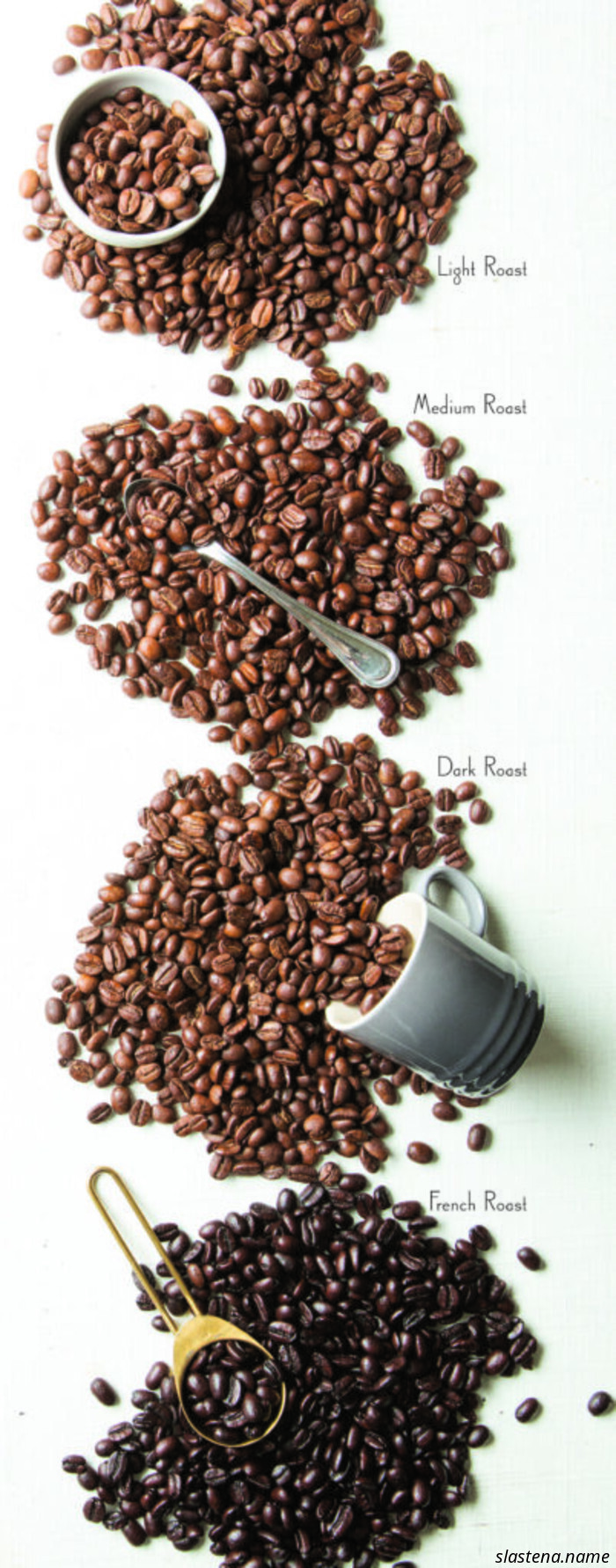
Another key element influencing your coffee's flavor—and thus your baked goods—is the roast level, which ranges from light to medium to dark, with French roast being the darkest. Lighter roasts offer higher acidity and a creamier flavor profile, pairing well with fresh fruit tarts that benefit from the acidic zest or with mild, velvety cakes and cookies. A medium roast serves as the versatile option, complementing spiced desserts like cinnamon coffee cakes or creamy treats such as silky panna cotta without overshadowing them. Reserve your bold, smoky dark roasts for very rich desserts like indulgent cheesecake, fudgy flourless chocolate cake, and nutty pies. Lastly, keep French roast for extremely sweet baked goods, such as salted caramel brownies or toffee-laden skillet cookies.
In addition to brewed coffee, various other coffee products can enhance the caffeinated delight in your baking. For a sweet infusion in tres leches cake, tiramisù, or poke cake, consider using sticky coffee syrup, whether homemade or a store-bought option like Dave’s Coffee Syrup. Espresso Sugar provides a fragrant, sparkling finishing touch that your rolled cookies and pound cakes have been missing. For a pure coffee flavor without the caffeine, mix in a teaspoon of coffee extract into your batter and dough. And for a boozy treat, classic sweetened rum and coffee liqueur Kahlúa pairs excellently with white chocolate fudge, brownies, or banana bread.
Whether you choose an espresso shot, French roast, or cold brew, remember that you're just a few beans away from your next exceptional baked creation.
Bake with Coffee

Другие статьи
 Cotton Cheesecake - Prepare from Scratch
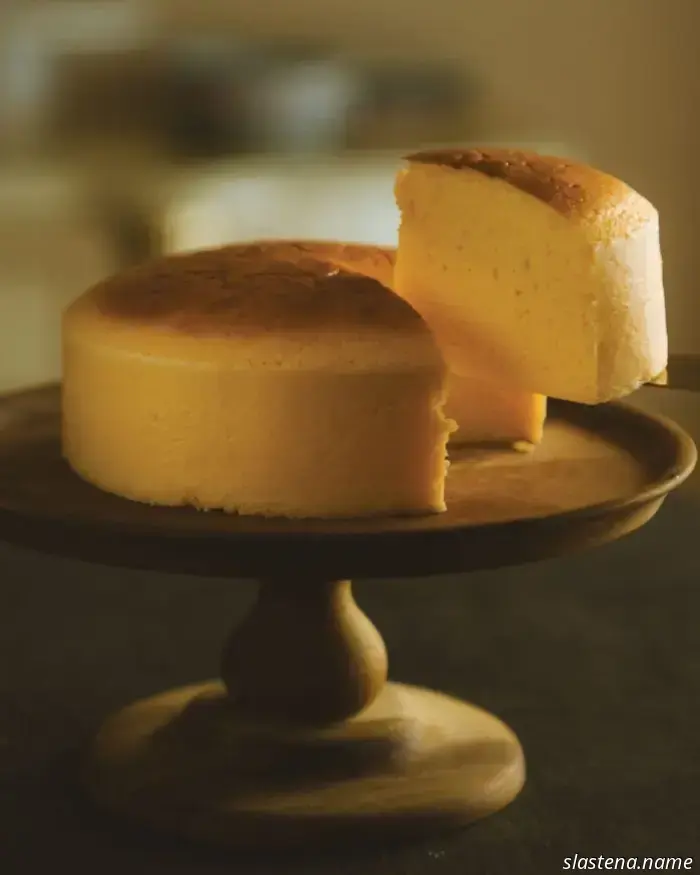
This cheesecake attains its airy texture through careful, deliberate methods. Cream cheese that has been softened is beaten together with yolks, milk, and flour to create a smooth base, and straining it guarantees a flawlessly creamy batter before it's incorporated into the meringue. The baking technique of starting at a high temperature and then reducing it, which was pioneered by Japanese pastry chefs in the 1960s, produces the delicate rise and characteristic jiggle.
Condensed Milk Cookies - Prepare from Scratch
We adore recipes that incorporate sweetened condensed milk. When it's added to cookies, condensed milk provides a delicate vanilla taste and a light, airy texture.
Cotton Cheesecake - Prepare from Scratch
This cheesecake attains its airy texture through careful, deliberate methods. Cream cheese that has been softened is beaten together with yolks, milk, and flour to create a smooth base, and straining it guarantees a flawlessly creamy batter before it's incorporated into the meringue. The baking technique of starting at a high temperature and then reducing it, which was pioneered by Japanese pastry chefs in the 1960s, produces the delicate rise and characteristic jiggle.
Condensed Milk Cookies - Prepare from Scratch
We adore recipes that incorporate sweetened condensed milk. When it's added to cookies, condensed milk provides a delicate vanilla taste and a light, airy texture.
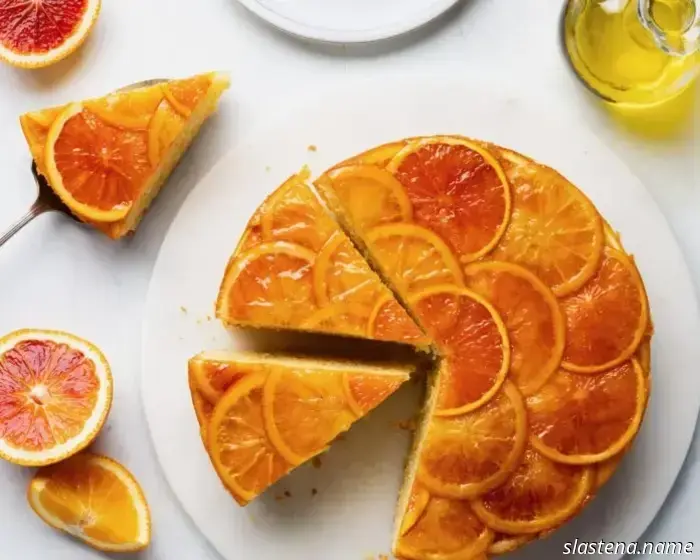 Blood Orange Olive Oil Cake - A Recipe from Scratch
Luminous and zesty, this Blood Orange Olive Oil Cake is a beautiful dessert that showcases the season's most vivid fruit. Utilizing Caputo "00" Baking Flour, the texture comes out extraordinarily light and tender, striking a perfect harmony with the richness of extra-virgin olive oil and smooth Greek yogurt. A layer of vibrant candied blood oranges integrates seamlessly into
Blood Orange Olive Oil Cake - A Recipe from Scratch
Luminous and zesty, this Blood Orange Olive Oil Cake is a beautiful dessert that showcases the season's most vivid fruit. Utilizing Caputo "00" Baking Flour, the texture comes out extraordinarily light and tender, striking a perfect harmony with the richness of extra-virgin olive oil and smooth Greek yogurt. A layer of vibrant candied blood oranges integrates seamlessly into
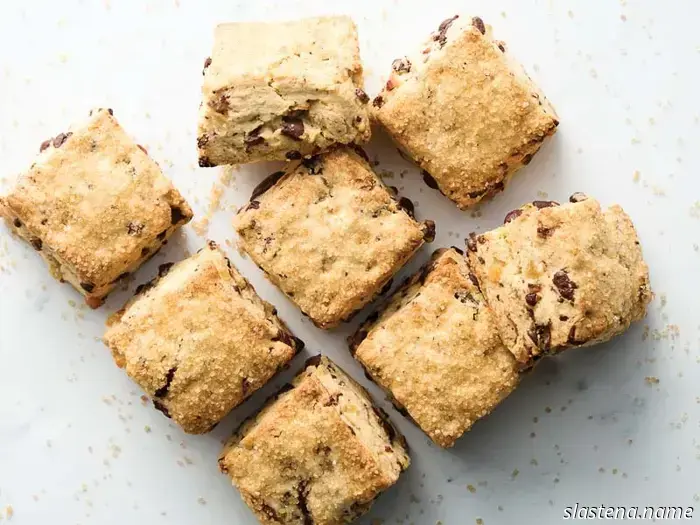 13 Dark Chocolate Recipes for National Dark Chocolate Day - Bake from Scratch
Observing National Dark Chocolate Day is an excellent opportunity to treat yourself to these dark chocolate baked goods.
Spinach Khachapuri - A Recipe from Bake from Scratch
This golden dish, known as khachapuri, is made from soft bread dough and comes out of the oven filled with a pool of melted cheese.
13 Dark Chocolate Recipes for National Dark Chocolate Day - Bake from Scratch
Observing National Dark Chocolate Day is an excellent opportunity to treat yourself to these dark chocolate baked goods.
Spinach Khachapuri - A Recipe from Bake from Scratch
This golden dish, known as khachapuri, is made from soft bread dough and comes out of the oven filled with a pool of melted cheese.
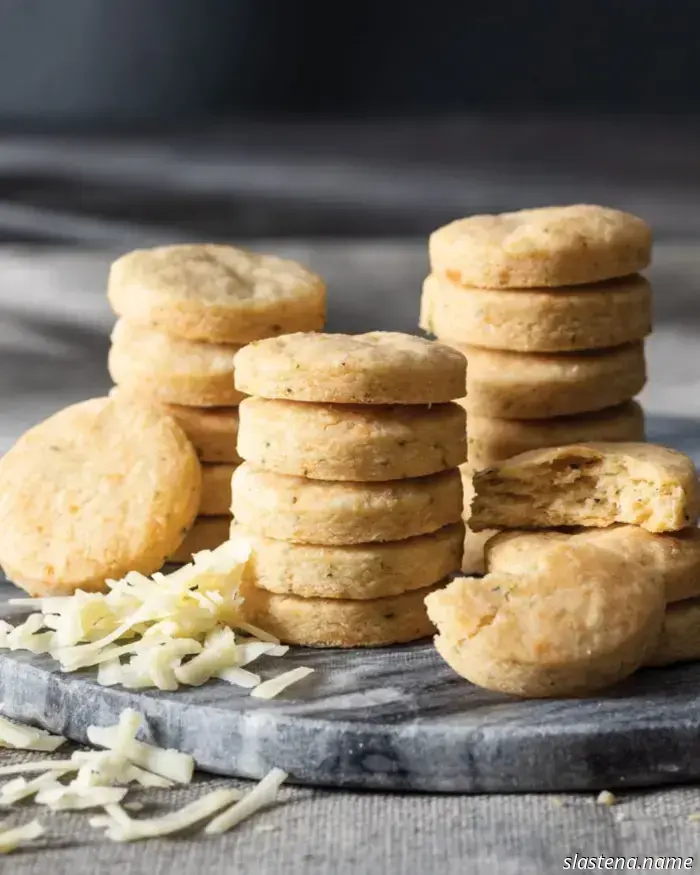 Cheese and Thyme Cookies - Bake from Scratch
Classic Cheddar cheese coins receive an elegant upgrade with sharp Cheddar and rich, buttery Gouda.
Cheese and Thyme Cookies - Bake from Scratch
Classic Cheddar cheese coins receive an elegant upgrade with sharp Cheddar and rich, buttery Gouda.
From the Pantry: Coffee - Bake with Precision
Discover how to enhance your baking by incorporating the rich flavor of coffee.