

Croissants - Prepare from Fresh Ingredients
Recipe by Nicole Plue
**Dough**
- ¾ cup plus 1 tablespoon (193 grams) cool tap water
- 4¼ teaspoons (13 grams) osmotolerant instant yeast
- 4 cups plus 2½ tablespoons (521 grams) all-purpose flour
- ¾ cup plus 1 teaspoon (185 grams) cold whole milk
- ¾ cup plus 1 teaspoon (98 grams) bread flour
- 5½ tablespoons (44 grams) whole wheat flour
- ⅓ cup plus 1 tablespoon (79 grams) granulated sugar
- 2 tablespoons plus 1 teaspoon (33 grams) unsalted butter* (European-style), softened
- 4 teaspoons (12 grams) kosher salt
**Butter block**
- 1⅓ cups plus 2 tablespoons (330 grams) unsalted butter* (European-style)
**Egg Wash (follow-up recipe)**
- 1 large egg (50 grams)
- 1 large egg yolk (20 grams)
- 1 teaspoon (4 grams) sugar
- ¼ teaspoon kosher salt
**Instructions for the dough:**
In the bowl of a stand mixer, combine the water and yeast, whisking together. Allow to rest for at least 30 seconds. Incorporate the remaining dough ingredients and mix with the dough hook at low speed for 3 to 5 minutes until the dough shows some strength. Move the dough to a container and cover it. Refrigerate it overnight.
The next day, prepare a butter block aiming for dimensions of 8.5 by 8.5 inches; minor deviations are acceptable. Note down the dimensions of your butter block.
On a lightly floured surface, roll out the dough to match one dimension of your butter block while doubling the other. Check to ensure the butter block fits within the dough. Center the butter block in the dough and fold the ends inward to meet in the middle. Press the seam down and gently rock your rolling pin back and forth along the length of the dough to bond the dough and butter.
Rotate the dough 90 degrees and roll it out again. Perform a double turn, trimming edges if necessary. Cover the dough and allow it to rest in the refrigerator for at least 45 minutes.
After the rest period, take the dough from the fridge and rotate it 90 degrees once more. Roll it out to complete a single turn, trimming edges if necessary. Cover again and let it rest in the refrigerator for at least 2 hours.
For the final sheeting, remove the dough from the fridge and let it sit at room temperature (approximately 68°F) for about 30 minutes.
To make classic croissants, roll the dough to a measurement of 9.5 inches by 23 inches. This may require several attempts. If the dough shrinks back, allow it to rest for about 5 minutes. Trim the dough to 8.5 inches (21cm) by 21 inches (54cm). On the top long side, mark every 8 cm. On the bottom long side, measure 4 cm in and then mark every 8 cm. Starting at the top, cut triangles into the dough, connecting the bottom and top marks. Remove any excess flour. Hold the wide end of the triangle with one hand and gently pull from the center towards the tip without tearing the dough. Eliminate extra flour from both sides of each triangle. With the tip facing away from you, roll the top edge of the triangle slightly outward. Carefully roll up the triangle while keeping the dough centered (avoid rolling too tightly). Tuck the tip underneath before placing it on the baking tray.
**Proofing and Baking**
**Oven Method:** Allow the pastries to reach room temperature. Lightly mist with water to prevent a skin from forming. Place the tray of pastries in a cold oven with an empty tray at the bottom. Add boiling water to the bottom tray and close the oven door. The desired temperature should be between 78°F and 80°F with 75% to 80% humidity. A digital thermometer/barometer can be useful to monitor conditions; replace the water with more boiling water if the temperature drops. The croissants can take up to 5 hours to proof.
**Ambient Overnight Proof:** Before bed, remove the pastries from the fridge and lightly spray them with water. Cover the trays with a large plastic bin or plastic wrap, ensuring that the wrap does not touch the pastries. This helps prevent surface drying. Allow them to sit for 10 to 12 hours based on room temperature. For either method, the croissants are ready for baking when they have approximately doubled in size and appear puffy. Check the cut edges; the layers should visibly separate. Gently shake the tray; the pastries should wobble freely.
Preheat the oven to 400°F
Other articles
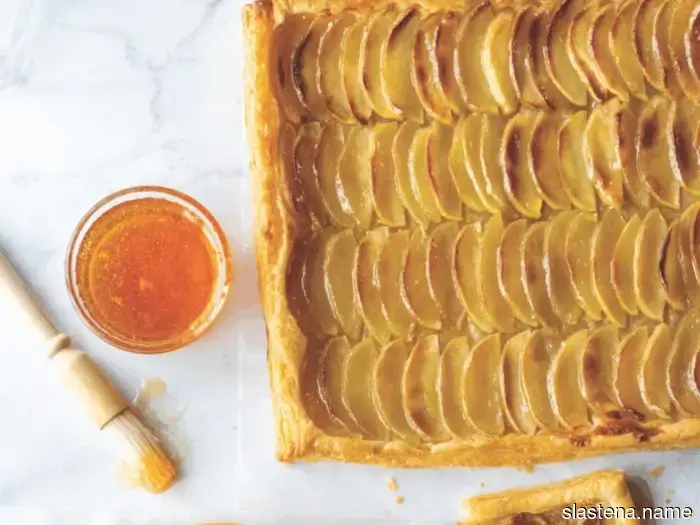 Apple Tart with Cider Glaze - Bake from Scratch
Recipe for Apple Tart with Cider Glaze by Nicole Plue
Apple Tart with Cider Glaze
- ½ Blitz Puff Dough (recipe provided earlier), rolled to 3 mm
- 1 cup plus 2¼ tablespoons (227 grams) granulated sugar
- 1 cup (227 grams) salted butter
- 4 Granny Smith apples (900 grams), peeled and cut into 12 pieces
- Cider Glaze (recipe to follow)
Blitz Puff Dough
- 1½ cups (340 grams)
Apple Tart with Cider Glaze - Bake from Scratch
Recipe for Apple Tart with Cider Glaze by Nicole Plue
Apple Tart with Cider Glaze
- ½ Blitz Puff Dough (recipe provided earlier), rolled to 3 mm
- 1 cup plus 2¼ tablespoons (227 grams) granulated sugar
- 1 cup (227 grams) salted butter
- 4 Granny Smith apples (900 grams), peeled and cut into 12 pieces
- Cider Glaze (recipe to follow)
Blitz Puff Dough
- 1½ cups (340 grams)
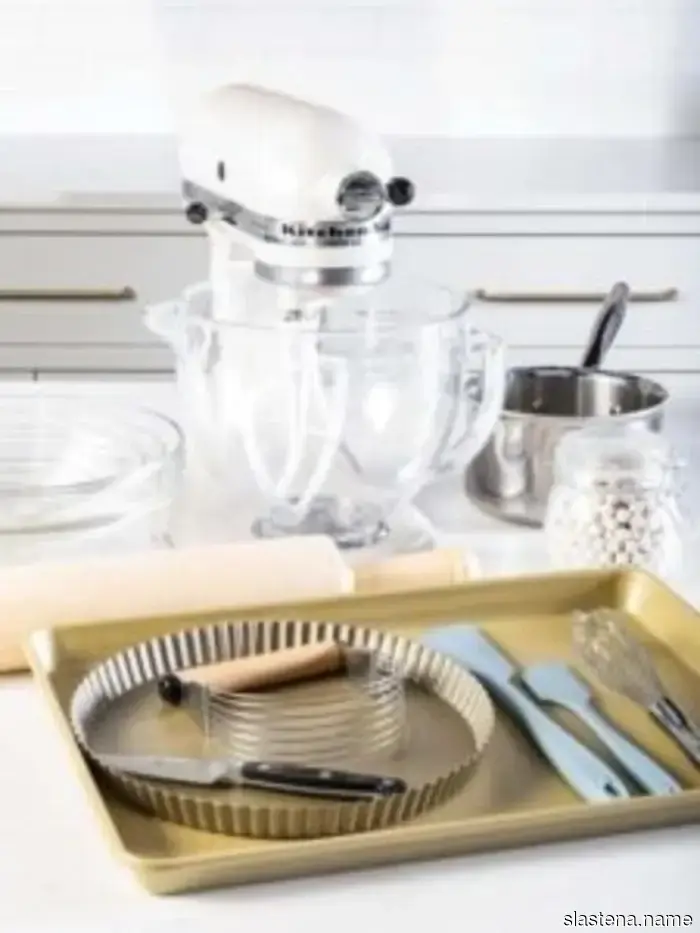 Baking School Detailed Guide: Blueberry Crumble Tart - Bake from Scratch
This Blueberry Crumble Tart has a rustic look, an elegant flavor, and offers a gratifying experience that only the finest homemade baking can provide.
Baking School Detailed Guide: Blueberry Crumble Tart - Bake from Scratch
This Blueberry Crumble Tart has a rustic look, an elegant flavor, and offers a gratifying experience that only the finest homemade baking can provide.
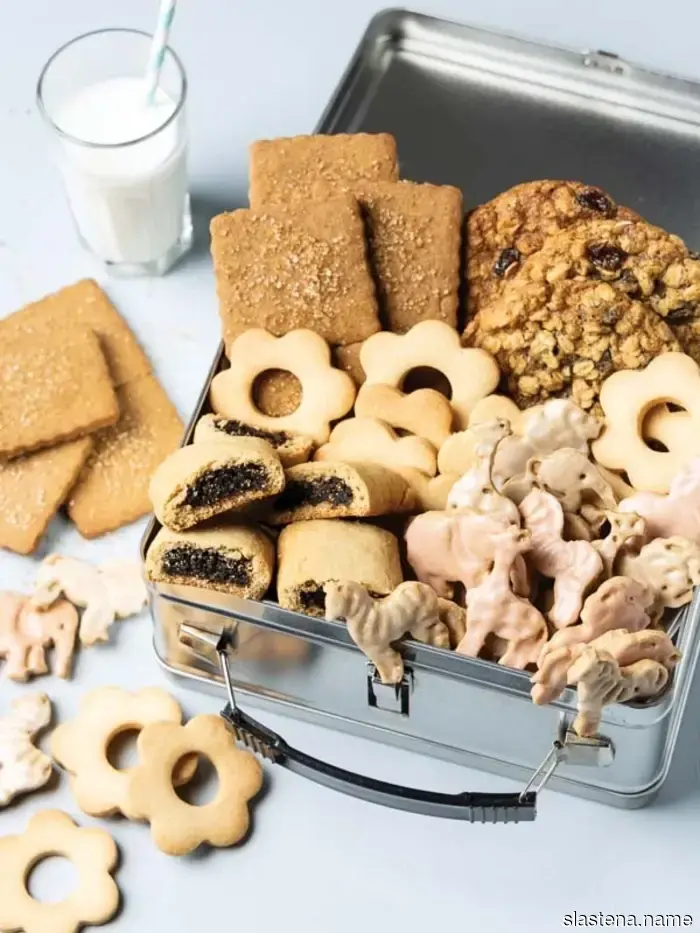 Throwback Cookies - A Recipe from Scratch
Contemporary interpretations of the nostalgic cookies we enjoyed in our childhood—ideal for evoking cherished memories with each bite.
Throwback Cookies - A Recipe from Scratch
Contemporary interpretations of the nostalgic cookies we enjoyed in our childhood—ideal for evoking cherished memories with each bite.
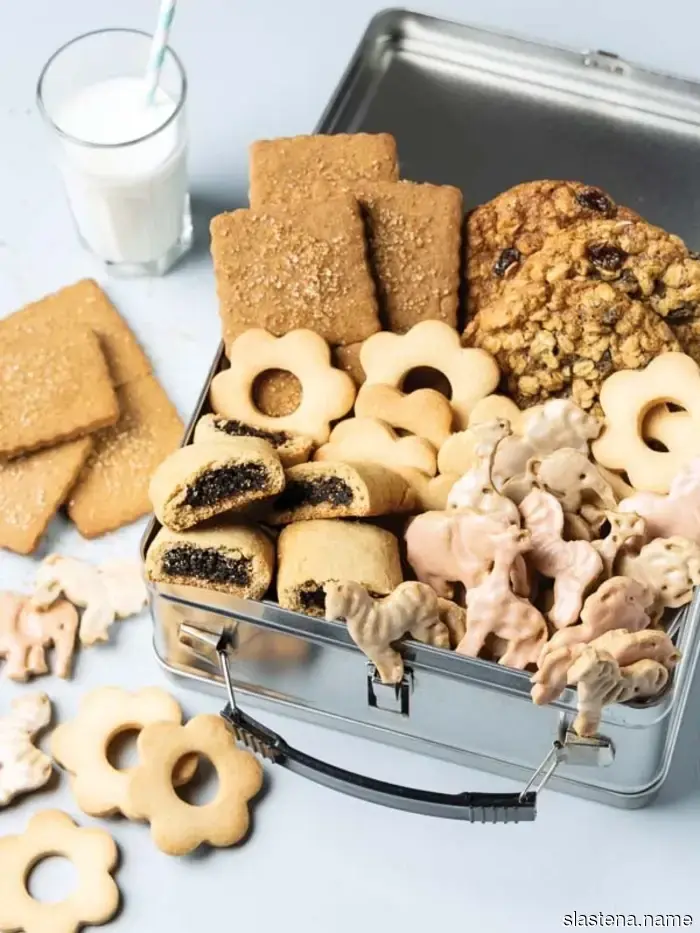 Nostalgic Cookies - Recipe from Scratch
Contemporary versions of the nostalgic cookies we enjoyed in our childhood—ideal for rekindling sweet memories with each bite.
Nostalgic Cookies - Recipe from Scratch
Contemporary versions of the nostalgic cookies we enjoyed in our childhood—ideal for rekindling sweet memories with each bite.
 Introducing the 2024 Outstanding Bakers - Bake from Scratch
 The Essentials: Hand Pies - Bake from Scratch
Croissants - Prepare from Fresh Ingredients
Croissant Recipe by Nicole Plue Dough - ¾ cup plus 1 tablespoon (193 grams) cool tap water - 4¼ teaspoons (13 grams) osmotolerant instant yeast - 4 cups plus 2½ tablespoons (521 grams) all-purpose flour - ¾ cup plus 1 teaspoon (185 grams) cold whole milk - ¾ cup plus 1 teaspoon (98 grams) bread flour - 5½ tablespoons (44 grams) whole wheat flour - ⅓ cup plus