
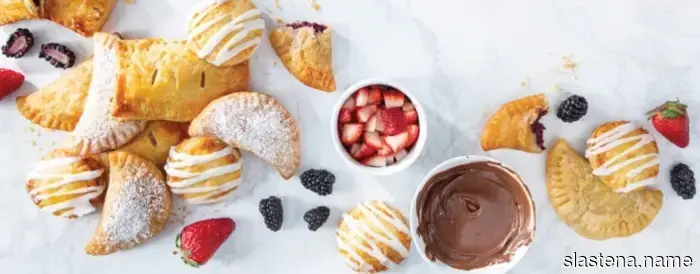
The Basics: Hand Pies - Bake from Scratch
INTRODUCING THE GUIDE TO THE ULTIMATE PORTABLE PASTRY: HAND PIES
From savory empanadas to pot pies, patties, and pasties, hand pies have historically served as a quick and portable meal that can satisfy hunger for hours. Who could say no to a meal that comes in edible packaging? Almost every region has its own savory variation of hand pies, from potato-and-pea samosas to spinach-and-feta spanakopita, making the transition to sweet hand pies a natural progression. While baked sweet pies were likely introduced to America by colonists, the first sweet fried pie in the U.S. is believed to have emerged from the South. Dating back to 1770, these pies featured multiple slits for venting and were filled with a popular crab apple mixture, earning them the nickname "crab lanterns." As technology advanced, hand pies began commercial production. By the 1920s, Hubig’s Pies had established itself as the local pie authority in New Orleans, offering flavors like lemon, apple, and peach, paving the way for brands such as B&G Pies, Hostess, and Drake’s in later years.
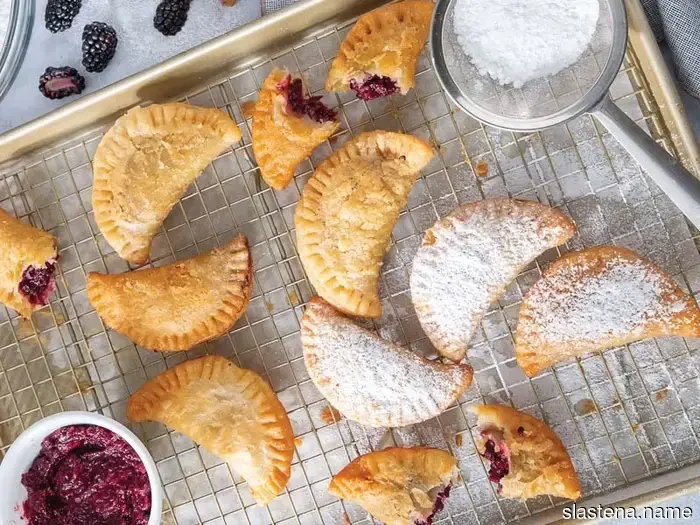
These delightful treats are still gaining popularity across the nation, and for very good reasons. Regardless of how you choose to fill, fry, or bake them, these culturally rich and historically significant pastries are remarkably versatile and easy to prepare once you master the basic technique. We’ll guide you through shaping, filling, and cooking these delicious pockets for a sweet, handheld adventure.
Ingredient Overview
Here’s how each ingredient contributes to creating the perfect Hand Pie Dough:
FLOUR serves as the foundational ingredient, providing the carbohydrates and proteins necessary for dough structure. Pastry flour is known for producing tender pastries due to its lower protein content. However, to simplify shopping and save space in your pantry, we opt for all-purpose flour, which has a protein level of about 10% to 12% and can yield excellent results with a bit of care.
FAT is crucial for achieving flakiness, acting as a barrier between layers of dough. The larger the fat particles, the flakier the crust will be. Fat also helps keep the dough tender by coating the flour proteins. Options include butter, shortening, lard, and oil, each producing different results. We prefer butter for its flavor, and because its water content helps create the flakiest crust. When butter melts during baking or frying, its water turns to steam, puffing and separating the layers of dough.
SALT enhances flavor and reduces gluten formation, resulting in a more tender crust. We recommend kosher salt, as it's lighter than regular salt and free from additives. Remember, not all salts have the same density, so using a scale for precise measurement is advisable to achieve the perfect salt ratio each time.
ICE WATER acts as the binder. When combined with flour, water provides the necessary structure for gluten formation, holding the dough together. The quantity of water is crucial: too much leads to a tough crust, while too little results in a crumbly one. Using ice-cold water keeps the fat solid, contributing to a flakier crust.
VINEGAR is an acid that can inhibit gluten formation in highly acidic environments, although the small amount used in our Hand Pie Dough won’t significantly restrict gluten development. In fact, mildly acidic conditions can enhance gluten structure at a pH of 5 to 6. Beyond science, we appreciate the slight tang and texture that vinegar adds, though it is not essential for a great crust and can be replaced with water if preferred.
Perfecting Hand Pie Dough
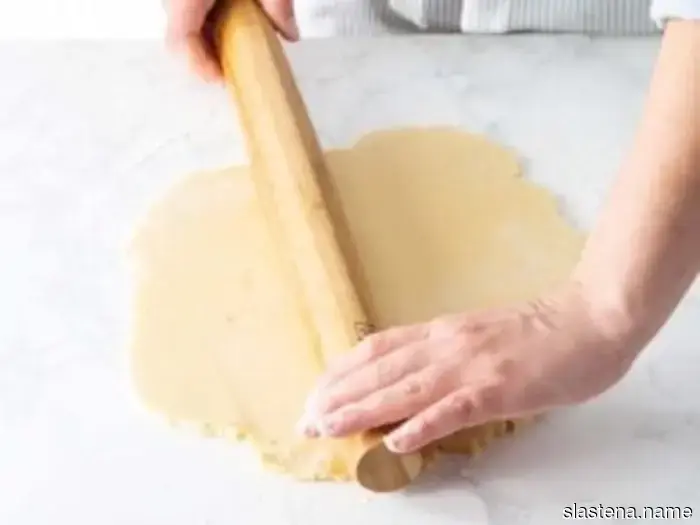
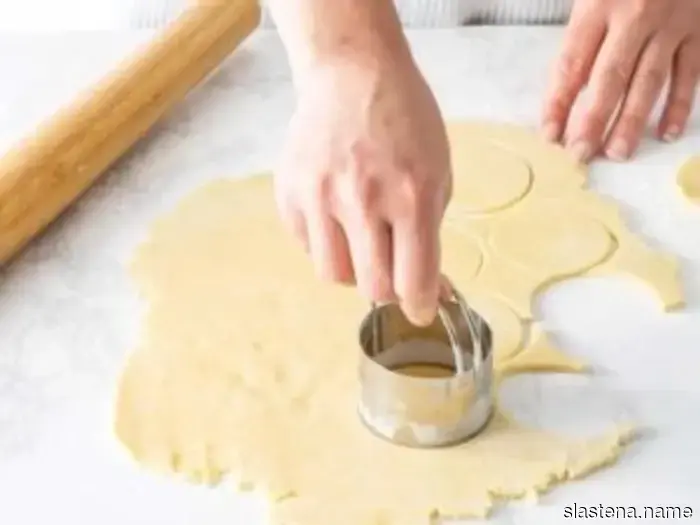
We discovered that utilizing a food processor not only streamlines the process but also keeps ingredients colder, resulting in a flakier crust. Here’s how to execute it properly.
Become a Food Processing Expert
1. In the work bowl of your food processor, combine flour and salt, pulsing until mixed. Add butter and pulse until the mixture resembles a crumbly texture, with butter pieces about the size of peas, typically 12 to 15 pulses. The largest butter pieces should be nearly the size of a common pea, while the rest of the mixture should appear mealy, similar to coarse cornmeal or grated Parmesan. Monitor closely, as over-processing can lead to creaming, which can ruin the desired lumps of butter essential for a flaky, buttery crust.
2. In a small bowl, mix ½ cup (120 grams) of cold water with vinegar. With the processor running, gradually add this mixture to the flour mixture until a dough begins to form.
3. The mixture may seem crumbly but should hold together when squeezed between fingers. Although it may look messy, this level of hydration is perfect for minimizing gluten formation. Flour can absorb liquids at varying rates depending on processing and storage conditions. To control hydration, add the vinegar mixture just until
Other articles
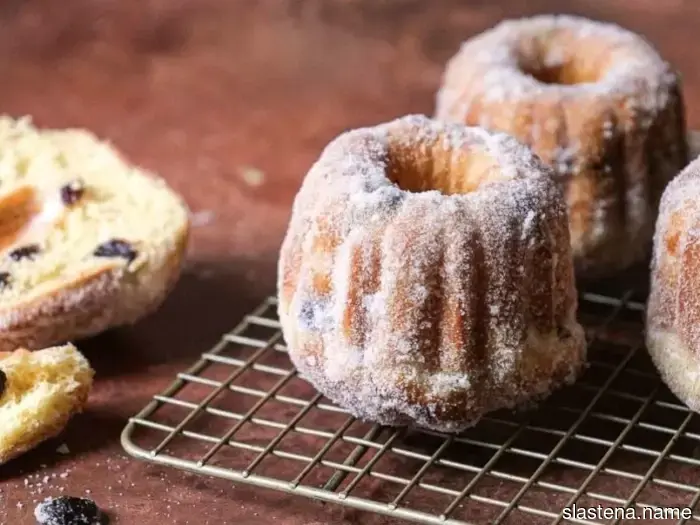 Edd Kimber's Kougelhopf in Small Batches - Bake from Scratch
Kougelhopf is a classic bread originating from the Alsace region of France. It resembles brioche but is baked in a unique, fluted tube pan and contains a greater variety of mix-ins.
Edd Kimber's Kougelhopf in Small Batches - Bake from Scratch
Kougelhopf is a classic bread originating from the Alsace region of France. It resembles brioche but is baked in a unique, fluted tube pan and contains a greater variety of mix-ins.
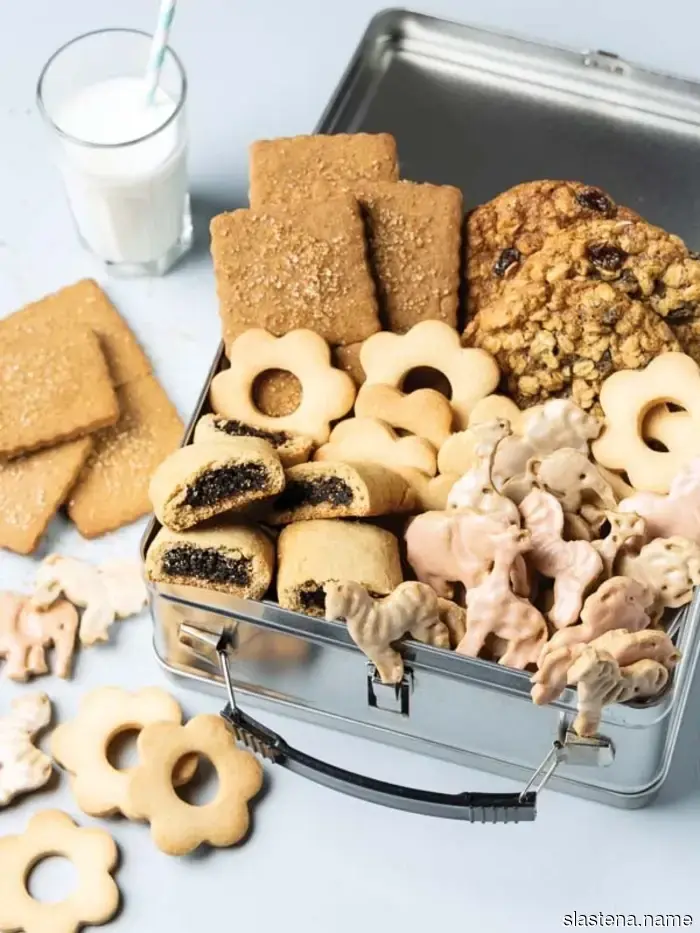 Nostalgic Cookies - Recipe from Scratch
Contemporary versions of the nostalgic cookies we enjoyed in our childhood—ideal for rekindling sweet memories with each bite.
Nostalgic Cookies - Recipe from Scratch
Contemporary versions of the nostalgic cookies we enjoyed in our childhood—ideal for rekindling sweet memories with each bite.
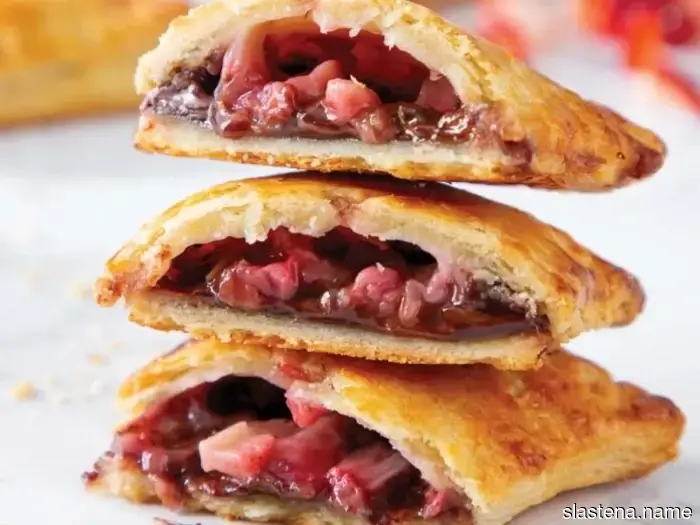 Baked Hand Pies with Strawberry and Chocolate Hazelnut Spread - Bake from Scratch
Made with fresh strawberries and decadent chocolate hazelnut spread, these hand pies are a stylish homemade version of a nostalgic frozen treat from childhood.
Baked Hand Pies with Strawberry and Chocolate Hazelnut Spread - Bake from Scratch
Made with fresh strawberries and decadent chocolate hazelnut spread, these hand pies are a stylish homemade version of a nostalgic frozen treat from childhood.
 Introducing the 2024 Top Bakers - Bake from Scratch
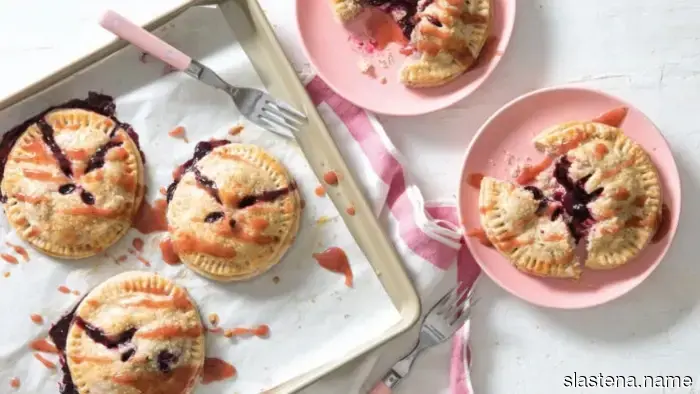 Delicious and Delectable Bakes to Honor Every Dad - Bake from Scratch
This Father's Day, honor the father figure in your life with a selection of specially curated recipes.
Delicious and Delectable Bakes to Honor Every Dad - Bake from Scratch
This Father's Day, honor the father figure in your life with a selection of specially curated recipes.
 Baking School Detailed Guide: Blueberry Crumble Tart - Bake from Scratch
This Blueberry Crumble Tart has a rustic look, an elegant flavor, and offers a gratifying experience that only the finest homemade baking can provide.
Baking School Detailed Guide: Blueberry Crumble Tart - Bake from Scratch
This Blueberry Crumble Tart has a rustic look, an elegant flavor, and offers a gratifying experience that only the finest homemade baking can provide.