
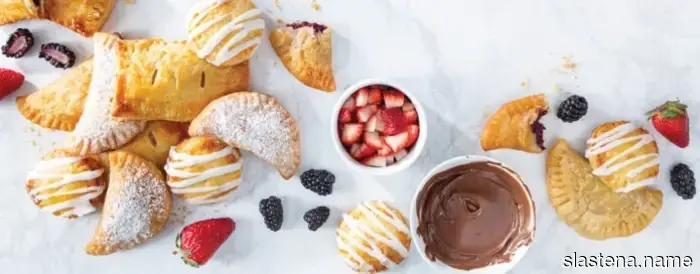
The Essentials: Hand Pies - Bake from Scratch
INTRODUCING THE PRIMER FOR THE ULTIMATE PORTABLE PASTRY: HAND PIES
From savory empanadas to pot pies, patties, and pasties, the original hand pies offered a quick and portable meal, satisfying hunger for extended periods. Who could resist a full meal wrapped in edible casing? Whether you’re enjoying potato-and-pea samosas or spinach-and-feta spanakopita, almost every region in history has its version of savory hand pies, making the transition to sweet hand pies a natural progression. While baked sweet pies likely made their way to America with colonists, the first sweet fried pie in the US is noted to be a Southern creation. Dating back to 1770, these pies, which featured slits for venting, contained a popular crab apple filling, earning the nickname “crab lanterns.” With advancements in technology, hand pies began to be produced commercially. In the 1920s, Hubig’s Pies became the go-to pie brand in New Orleans, Louisiana, offering flavors like lemon, apple, and peach, paving the way for future brands such as B&G Pies, Hostess, and Drake’s.
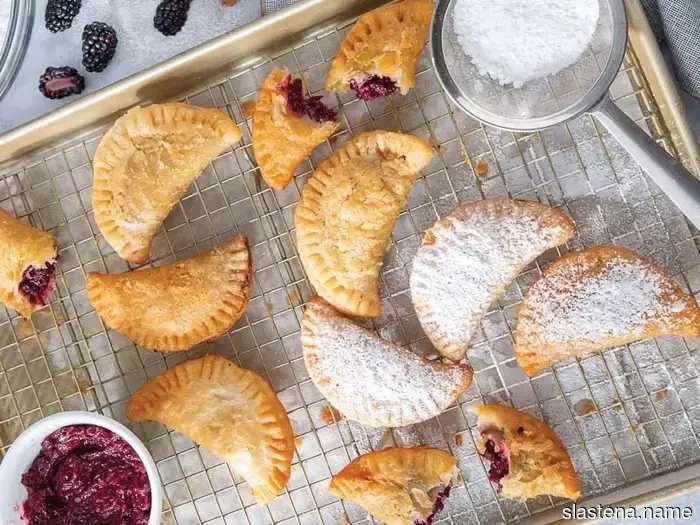
These delightful treats continue to gain popularity across the nation, and for good reason. Regardless of the filling, whether fried or baked, this culturally rich and historically significant pastry is both versatile and easy to prepare once you've learned the basic technique. We’ll guide you through shaping, filling, and cooking these pockets of deliciousness for a sweet, handheld adventure.
Ingredient Review
Here’s how each ingredient contributes to creating the ideal Hand Pie Dough:
FLOUR is the fundamental ingredient, providing carbohydrates and proteins that give structure to the dough. While pastry flour is known for making tender pastries due to its lower protein content, for our recipe, we’ll use a more accessible option. All-purpose flour, with an intermediate protein level of about 10% to 12%, can deliver commendable results with proper care.
FAT is essential for creating flakiness by acting as a barrier between the dough layers. Larger particles of fat increase the flakiness of the crust and also help maintain tenderness by coating the flour proteins. There are several fat options—such as butter, shortening, lard, and oil—all yielding different results. We opted for butter for its flavor, and because its water content aids in creating the flakiest crust. When butter melts during baking or frying, the water turns to steam, puffing up the dough layers.
SALT enhances flavor and helps prevent gluten formation, resulting in a more tender crust. We prefer kosher salt as it’s less dense than regular salt and contains no additives. Remember that not all salts are identical in weight; using a scale for measuring this ingredient will help achieve the perfect salt balance every time.
ICE WATER acts as a binder. When combined with flour, it provides the structure necessary for gluten development and cohesiveness. The correct amount of water is crucial: too much results in a tough crust, while too little leads to a crumbly one. Ice-cold water also keeps the fat solid, contributing to a flakier crust.
VINEGAR is an acid that can inhibit gluten formation in highly acidic environments. However, the small amount of vinegar in our Hand Pie Dough isn’t enough to significantly restrict gluten formation. In fact, a mildly acidic solution can even improve gluten structure at a pH of 5 to 6. Beyond its scientific benefits, we appreciate the slight tartness and texture it brings, although it can be swapped out for water if necessary.
Perfecting Hand Pie Dough
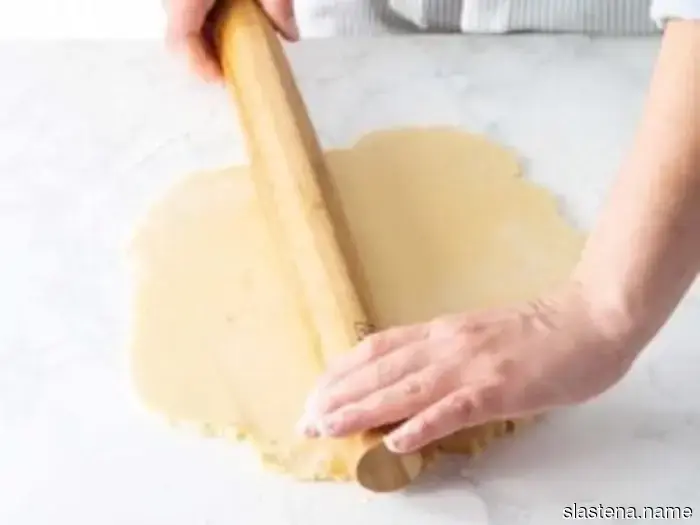
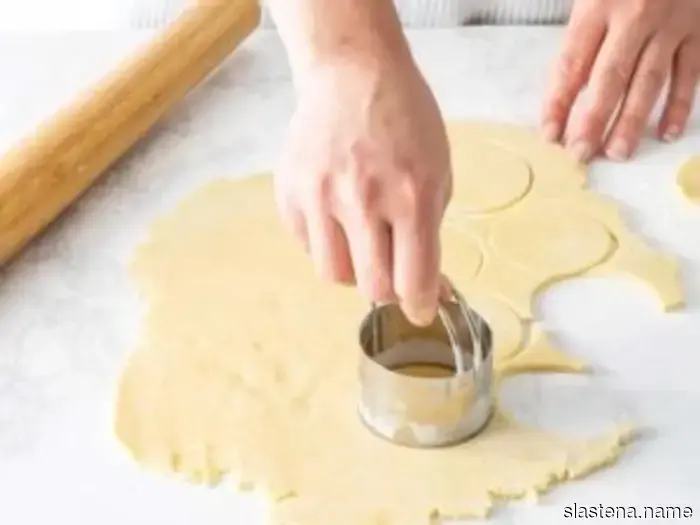
We found that using a food processor is not only more effective but also keeps the ingredients colder, resulting in a flakier crust. Here’s how to do it correctly.
Become a Food Processing Pro
1. In the work bowl of a food processor, combine the flour and salt; pulse until mixed. Add the butter, and pulse until the mixture resembles crumbs with pea-sized pieces of butter, about 12 to 15 pulses. The largest bits of butter should be roughly the size of a common pea, while the rest of the mixture should appear mealy, akin to coarse cornmeal or grated Parmesan cheese. Watch closely to avoid over-processing, which could lead to creaming the mixture. Once the mixture is overdone, you won’t be able to restore the ideal butter lumps that create that beloved flaky crust.
2. In a small bowl, mix ½ cup (120 grams) of cold water with vinegar. With the processor running, pour the vinegar mixture into the flour blend in a slow, steady stream until the dough just comes together.
3. The mixture may look crumbly but should hold together when squeezed. This appearance is acceptable; it indicates the hydration level is suitable to limit gluten formation. Flour can absorb liquids differently based on processing and storage conditions. We manage hydration by adding the vinegar mixture only until the dough starts to release
Other articles
 The Emergence of Small State Provisions - Bake from Scratch
From a home kitchen to a successful bakery, Kevin Masse’s Small State Provisions in Hartford, Connecticut, represents the essence of baking with passion.
The Emergence of Small State Provisions - Bake from Scratch
From a home kitchen to a successful bakery, Kevin Masse’s Small State Provisions in Hartford, Connecticut, represents the essence of baking with passion.
 Nostalgic Cookies - Recipe from Scratch
Contemporary versions of the nostalgic cookies we enjoyed in our childhood—ideal for rekindling sweet memories with each bite.
Nostalgic Cookies - Recipe from Scratch
Contemporary versions of the nostalgic cookies we enjoyed in our childhood—ideal for rekindling sweet memories with each bite.
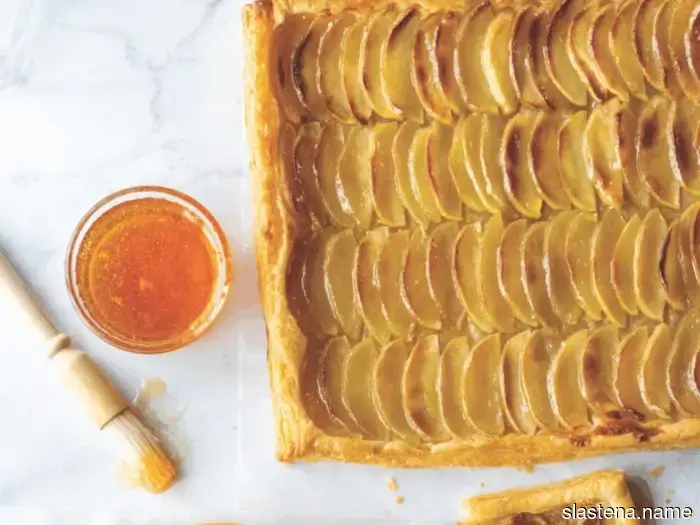 Apple Tart with Cider Glaze - Bake from Scratch
Recipe for Apple Tart with Cider Glaze by Nicole Plue
Apple Tart with Cider Glaze
- ½ Blitz Puff Dough (recipe provided earlier), rolled to 3 mm
- 1 cup plus 2¼ tablespoons (227 grams) granulated sugar
- 1 cup (227 grams) salted butter
- 4 Granny Smith apples (900 grams), peeled and cut into 12 pieces
- Cider Glaze (recipe to follow)
Blitz Puff Dough
- 1½ cups (340 grams)
Apple Tart with Cider Glaze - Bake from Scratch
Recipe for Apple Tart with Cider Glaze by Nicole Plue
Apple Tart with Cider Glaze
- ½ Blitz Puff Dough (recipe provided earlier), rolled to 3 mm
- 1 cup plus 2¼ tablespoons (227 grams) granulated sugar
- 1 cup (227 grams) salted butter
- 4 Granny Smith apples (900 grams), peeled and cut into 12 pieces
- Cider Glaze (recipe to follow)
Blitz Puff Dough
- 1½ cups (340 grams)
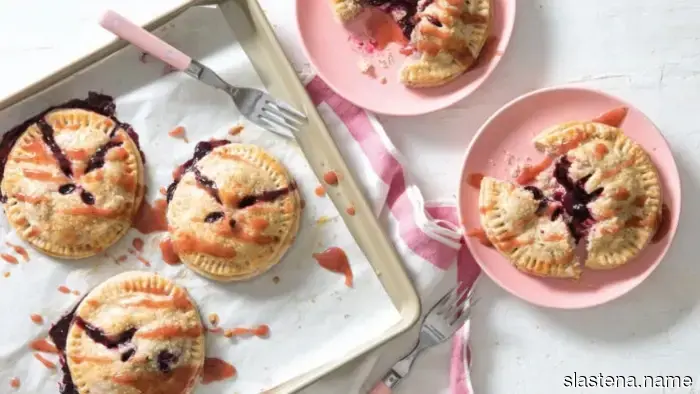 Delicious and Delectable Bakes to Honor Every Dad - Bake from Scratch
This Father's Day, honor the father figure in your life with a selection of specially curated recipes.
Delicious and Delectable Bakes to Honor Every Dad - Bake from Scratch
This Father's Day, honor the father figure in your life with a selection of specially curated recipes.
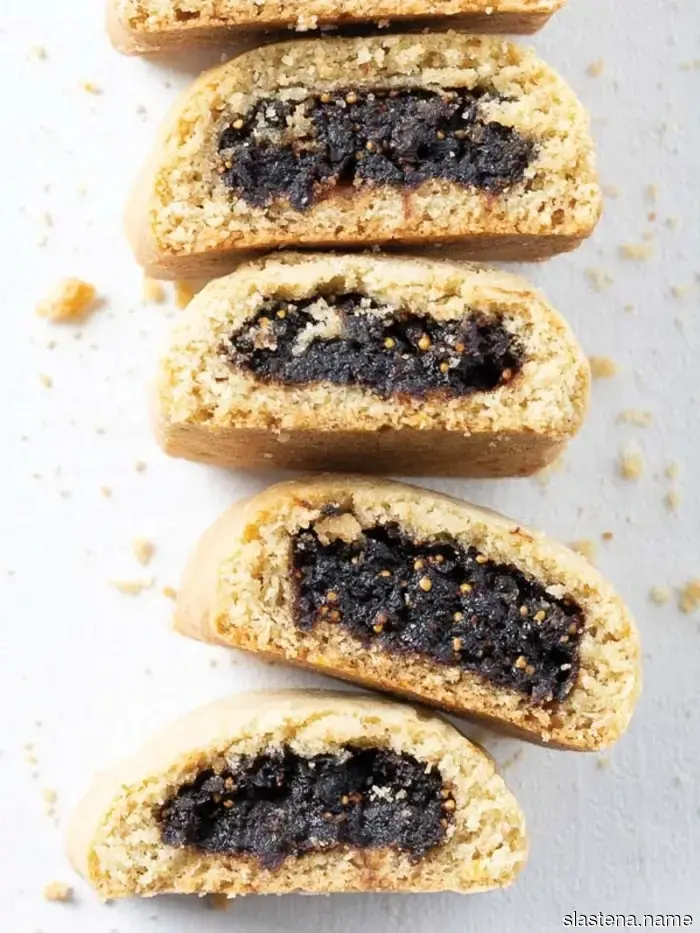 Fig Bars - Prepare from Scratch
Fig Newtons have been a staple in lunch boxes and snack bags since they were first mass-produced over 130 years ago. Our homemade rendition showcases a rich, buttery dough encasing a dense filling made from Mission figs, known for being sweeter and softer than other fig types, along with fresh orange zest and juice for a vibrant taste.
Fig Bars - Prepare from Scratch
Fig Newtons have been a staple in lunch boxes and snack bags since they were first mass-produced over 130 years ago. Our homemade rendition showcases a rich, buttery dough encasing a dense filling made from Mission figs, known for being sweeter and softer than other fig types, along with fresh orange zest and juice for a vibrant taste.
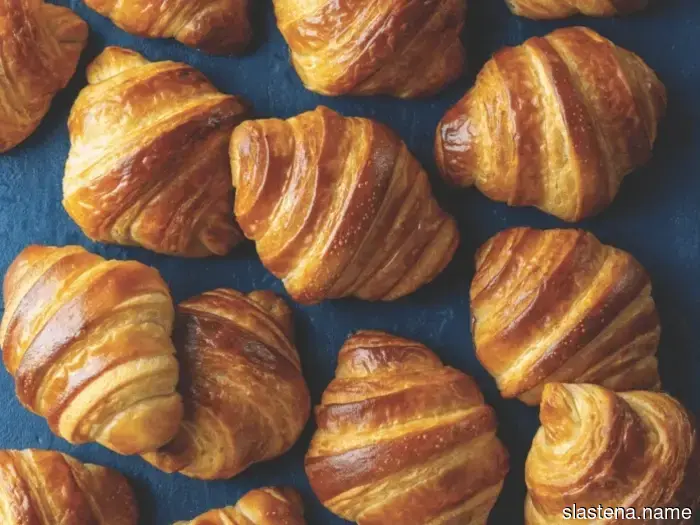 Croissants - Made from Scratch
Recette de croissants par Nicole Plue
Pâte
¾ tasse plus 1 cuillère à soupe (193 grammes) d'eau du robinet fraîche
4¼ cuillères à café (13 grammes) de levure instantanée osmotolérante
4 tasses plus 2½ cuillères à soupe (521 grammes) de farine tout usage
¾ tasse plus 1 cuillère à café (185 grammes) de lait entier froid
¾ tasse plus 1 cuillère à café (98 grammes) de farine à pain
5½ cuillères à soupe (44 grammes) de farine de blé complet
⅓ tasse plus
Croissants - Made from Scratch
Recette de croissants par Nicole Plue
Pâte
¾ tasse plus 1 cuillère à soupe (193 grammes) d'eau du robinet fraîche
4¼ cuillères à café (13 grammes) de levure instantanée osmotolérante
4 tasses plus 2½ cuillères à soupe (521 grammes) de farine tout usage
¾ tasse plus 1 cuillère à café (185 grammes) de lait entier froid
¾ tasse plus 1 cuillère à café (98 grammes) de farine à pain
5½ cuillères à soupe (44 grammes) de farine de blé complet
⅓ tasse plus